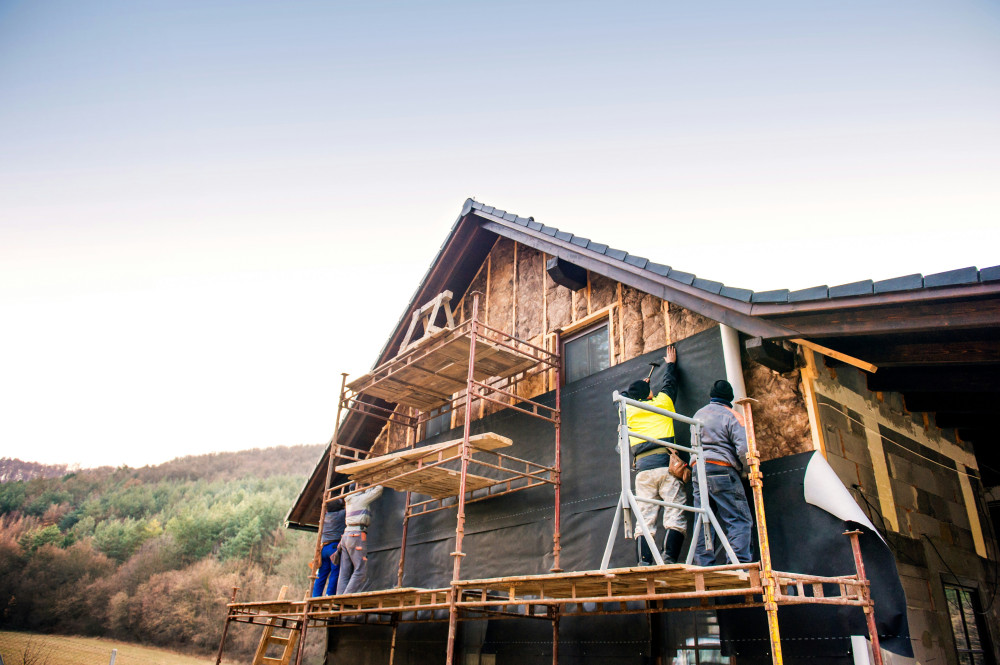
The Vapor Barrier in Flat Roofs – How It Works and Is Used

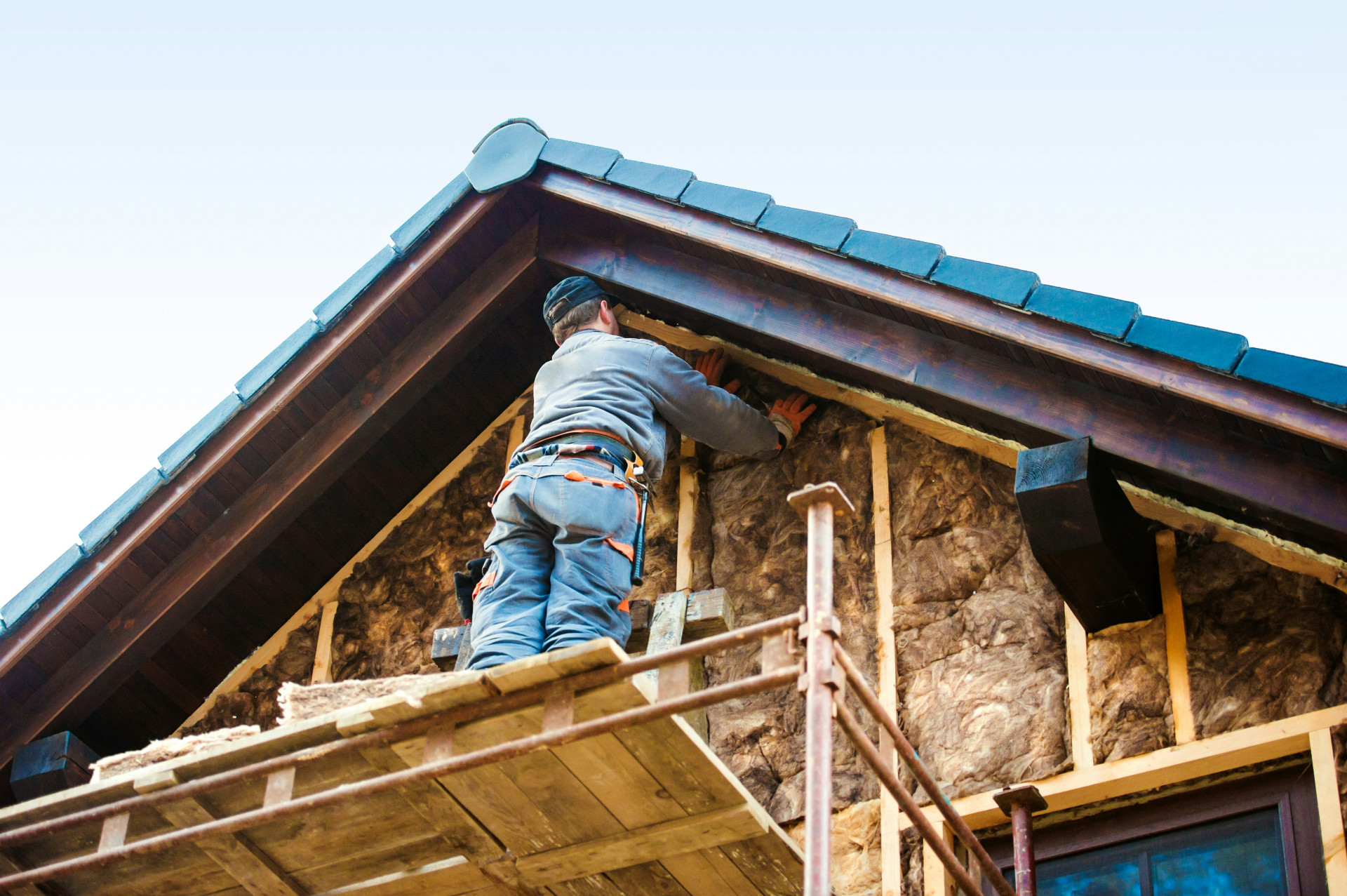
The Vapor Barrier in Flat Roofs – How It Works and Is Used
Flat roofs place special demands on building design because they are more exposed to moisture and water infiltration than sloped roofs. One of the most important components in a flat roof system is the vapor barrier—a layer that prevents moisture from inside the building from migrating into the roof assembly. Without an effective vapor barrier, condensation, mold, and even structural decay can occur. Here’s a look at how a vapor barrier works and how it’s properly used in flat roof construction in the United States.
What Is a Vapor Barrier?
A vapor barrier is a continuous, impermeable layer—typically made of polyethylene, bitumen, or aluminum foil—that is installed on the warm side of the insulation. Its purpose is to stop water vapor from moving from the interior of the building into the colder layers of the roof, where it could condense into liquid water.
In U.S. commercial and residential flat roofs, vapor barriers are often made from self-adhering bituminous membranes, reinforced aluminum sheets, or polyethylene films. The choice depends on the building’s use, climate zone, and the type of roof system being installed.
Why the Vapor Barrier Matters in Flat Roofs
Flat roofs have minimal slope, which means water drains more slowly than on pitched roofs. The roof assembly is also compact, so any moisture that enters has a hard time escaping. When warm, humid indoor air rises and meets a cold surface within the roof, condensation can form. Over time, this can lead to:
- Reduced insulation performance, as wet insulation loses its thermal resistance.
- Mold and mildew growth, which can cause odors and health issues.
- Rot and corrosion, damaging wood, steel, or concrete components.
A properly installed vapor barrier prevents this by keeping interior moisture from reaching cold roof layers, helping the roof stay dry and durable for decades.
Placement and Roof Assembly
The vapor barrier is always placed on the warm side of the insulation, typically directly above the structural deck and below the insulation layers. A typical flat roof assembly (from bottom to top) looks like this:
- Structural deck – usually concrete, steel, or wood.
- Vapor barrier – a sealed membrane that blocks moisture migration.
- Thermal insulation – often installed in multiple layers to minimize thermal bridging.
- Roof membrane – the waterproof top layer, such as a single-ply membrane or built-up roofing.
It’s critical that the vapor barrier be completely airtight. Even small gaps or punctures around penetrations, seams, or edges can allow moisture to pass through. Seams are typically heat-welded, taped, or sealed with compatible adhesives, and special collars or boots are used around pipes and vents.
Types of Vapor Barriers
The right vapor barrier depends on the building’s design, interior humidity levels, and local climate conditions.
- Bituminous vapor barriers – durable and ideal for roofs with high moisture loads, such as industrial or commercial buildings.
- Aluminum-reinforced vapor barriers – extremely tight and reflective, improving both moisture control and energy efficiency.
- Polyethylene film – used in lighter roof assemblies or smaller buildings with lower humidity.
In many modern systems, self-adhering vapor barriers are preferred because they simplify installation and reduce the risk of leaks at seams.
Common Mistakes and How to Avoid Them
Even the best vapor barrier can fail if installed incorrectly. Some of the most frequent errors include:
- Leaky seams – ensure all overlaps are sealed according to the manufacturer’s instructions.
- Poor sealing around penetrations – use proper flashing and sealants to maintain continuity.
- Incorrect placement – the vapor barrier must always be on the warm side of the insulation.
- Damage during construction – protect the barrier from punctures caused by foot traffic or tools.
A good rule of thumb: the vapor barrier should be as airtight as a sealed plastic bag—if air or moisture can pass through, it’s not doing its job.
Læs også:

Maintenance and Longevity
Once installed, the vapor barrier is hidden within the roof assembly and cannot easily be replaced. That’s why correct installation is essential from the start. A professionally installed vapor barrier can last for decades, provided the roof system as a whole is properly maintained.
When renovating or re-roofing older flat roofs, it’s important to check whether the existing vapor barrier is still intact. If there are signs of trapped moisture or damaged insulation, both the insulation and vapor barrier may need replacement.
A Small Layer with a Big Impact
Although it’s just a thin layer within the roof system, the vapor barrier plays a crucial role in protecting the building from moisture damage. It preserves insulation performance, prevents mold, and extends the life of the roof.
In short, the vapor barrier may be invisible once installed, but it’s one of the most important details in any flat roof—proof that the smallest components often make the biggest difference.
Læs også: