Combine Insulation and Window Replacement for Better Energy Efficiency


Combine Insulation and Window Replacement for Better Energy Efficiency
When you’re looking to make your home more energy efficient, it can be tempting to tackle one project at a time—perhaps replacing the windows now and waiting to upgrade insulation later. But in many cases, it makes far more sense to plan these improvements together. The combination of proper insulation and modern, energy-efficient windows can significantly reduce heating and cooling costs, improve comfort, and create a more consistent indoor climate year-round.
Why a Whole-Home Approach Pays Off
Your home’s energy performance depends on how heat and cold move through walls, the roof, and windows. If you only improve one element, the results may fall short of expectations. For example, new windows won’t perform at their best if the surrounding walls still leak heat. Likewise, well-insulated walls lose their advantage if old, drafty windows remain in place.
By coordinating insulation upgrades and window replacement, you ensure that materials, seals, and energy ratings work together. This integrated approach leads to better comfort, fewer drafts, and a more stable indoor temperature.
Start with a Home Energy Assessment
Before beginning any major upgrades, it’s wise to schedule a professional home energy assessment. Certified energy auditors can use tools like blower door tests and infrared cameras to identify where your home is losing energy. They can then recommend which improvements—attic insulation, wall insulation, or new windows—will deliver the greatest return on investment.
An assessment also helps you avoid common pitfalls, such as over-insulating without proper ventilation, which can lead to moisture buildup or indoor air quality issues.
Læs også:

Choose High-Performance Windows
When replacing windows, look for models with a low U-factor (which measures heat loss) and a low solar heat gain coefficient (SHGC) suited to your climate zone. ENERGY STAR®-certified windows are a reliable benchmark for efficiency. Double- or triple-pane windows with gas fills and warm-edge spacers can dramatically reduce heat transfer compared to older single-pane or aluminum-frame windows.
Orientation matters, too. South-facing windows can help capture winter sunlight in colder regions, while in warmer climates, low-E coatings can minimize unwanted solar heat gain.
Insulation – From Attic to Foundation
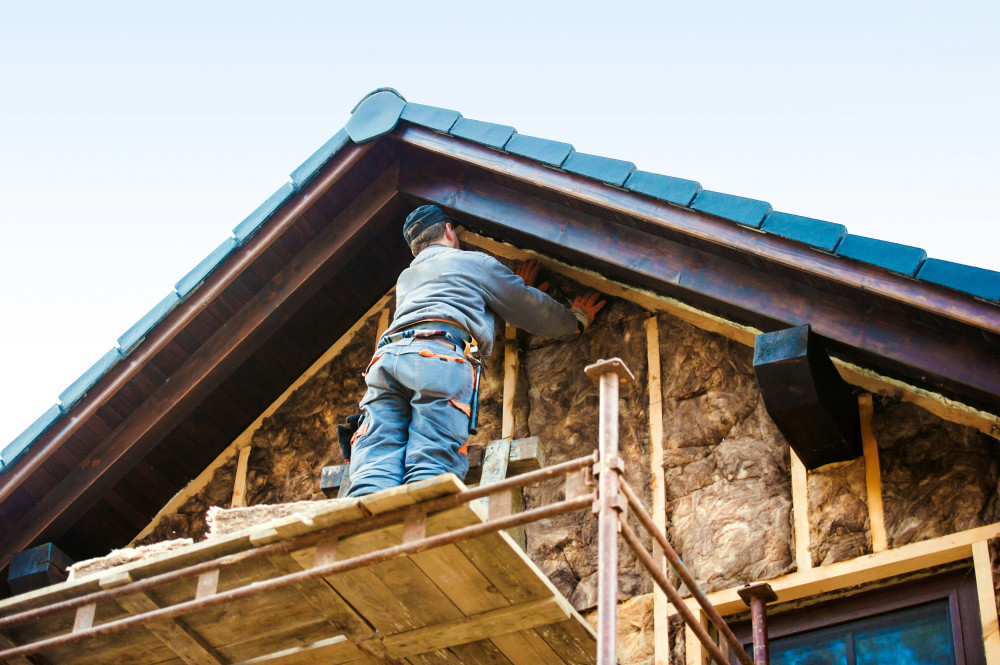
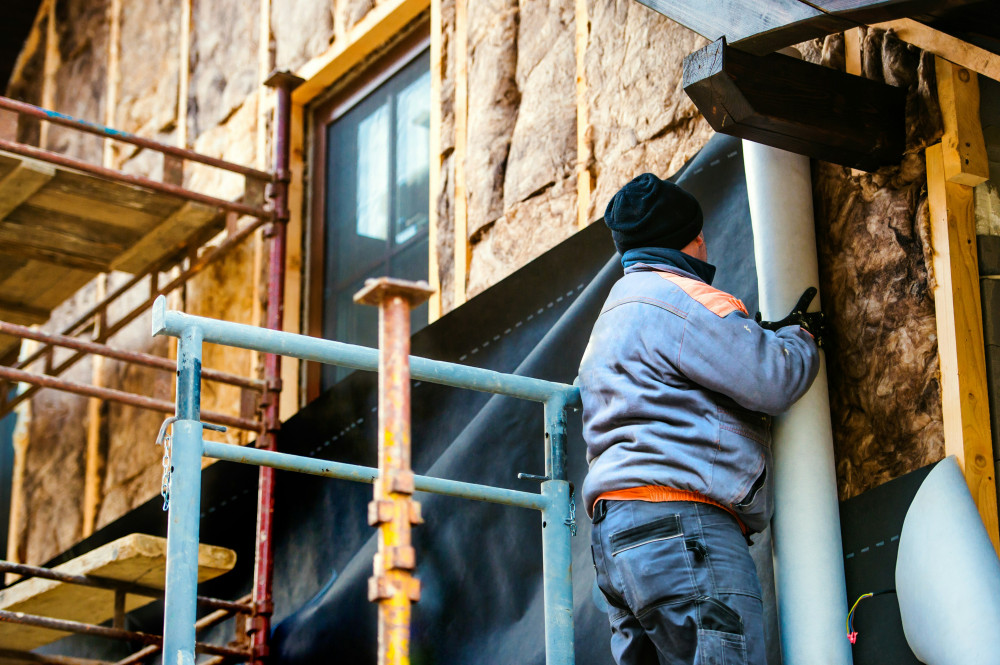
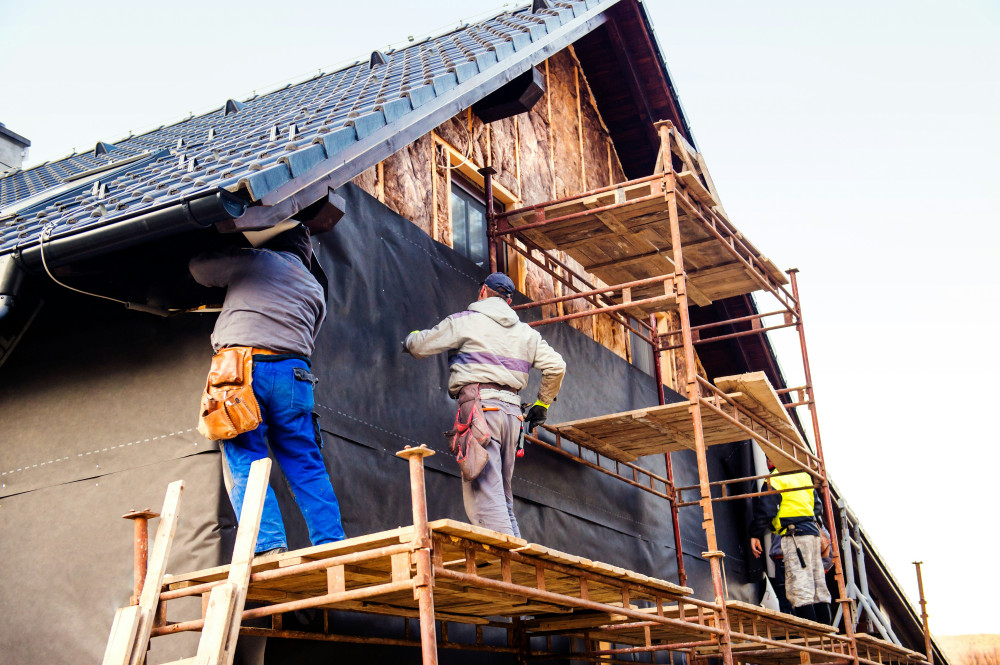
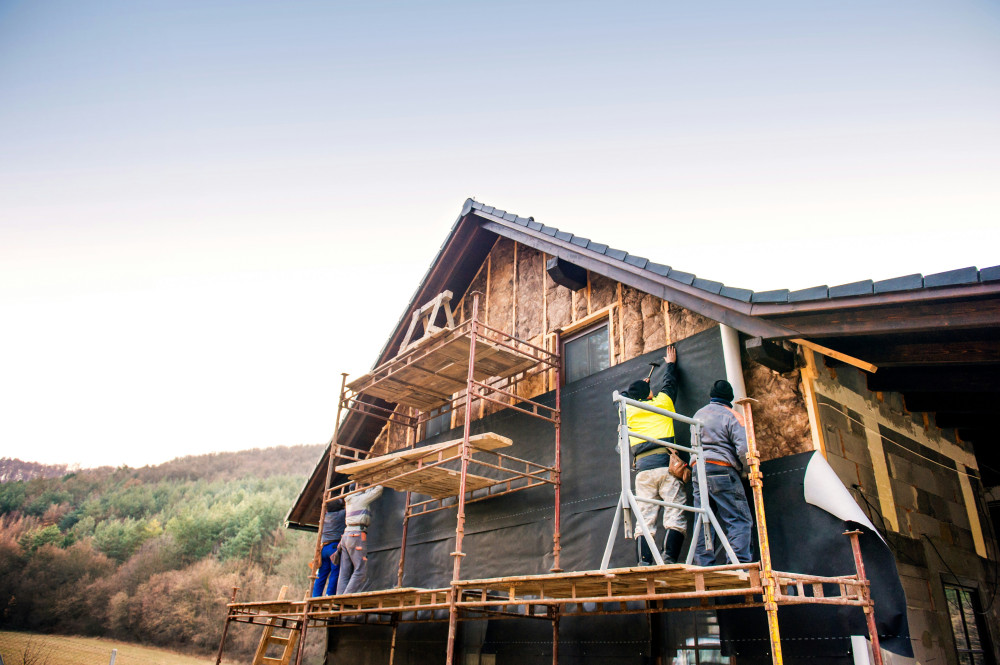
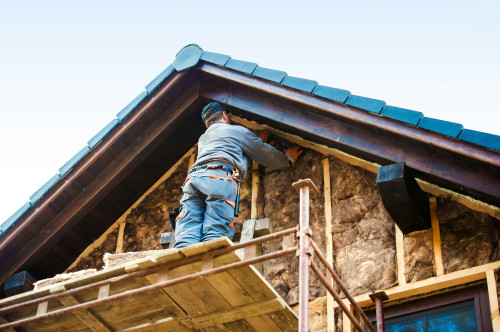
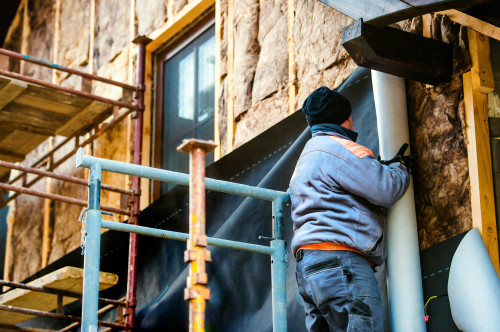
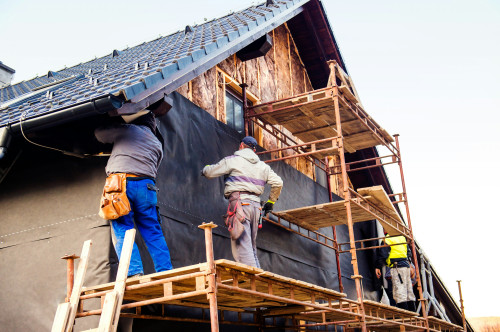
Insulation isn’t just about walls. In many U.S. homes, the attic is the biggest source of heat loss. Adding or upgrading attic insulation is often one of the most cost-effective ways to improve efficiency. Wall insulation—whether blown-in, spray foam, or batt—can also make a big difference, especially in older homes built before modern energy codes.
If you’re replacing windows, it’s a perfect time to check the insulation around window frames and openings. Poorly insulated or sealed areas can create cold spots and condensation. Properly insulating and air-sealing these areas ensures your new windows perform as intended.
Comfort and Indoor Air Quality Benefits
Better insulation and high-quality windows do more than lower energy bills—they make your home more comfortable. You’ll notice fewer drafts, more consistent temperatures, and less condensation on glass surfaces. Improved insulation also helps reduce outside noise, a welcome bonus for homes near busy streets or urban areas.
With a tighter building envelope, it’s important to maintain good ventilation. Consider adding energy recovery ventilators (ERVs) or heat recovery ventilators (HRVs) to keep indoor air fresh without sacrificing efficiency.
Think Long-Term and Explore Incentives
While combining insulation and window replacement can be a significant investment, the long-term savings and comfort improvements make it worthwhile. Energy-efficient upgrades can increase your home’s resale value and reduce your carbon footprint.
Homeowners in the U.S. may also qualify for federal tax credits or local utility rebates through programs like the Inflation Reduction Act’s energy efficiency incentives. These can help offset upfront costs and shorten the payback period.
A Combined Effort Delivers the Best Results
Energy efficiency isn’t just about saving money—it’s about creating a comfortable, sustainable, and future-ready home. By combining insulation improvements with window replacement, you can dramatically reduce energy use, enhance comfort, and enjoy a more pleasant living environment all year long.
It’s an investment that pays off—not only on your utility bills but in the overall quality and feel of your home.
Læs også: