Create Shelter and Shade in Your Garden the Aesthetic Way

Create Shelter and Shade in Your Garden the Aesthetic Way
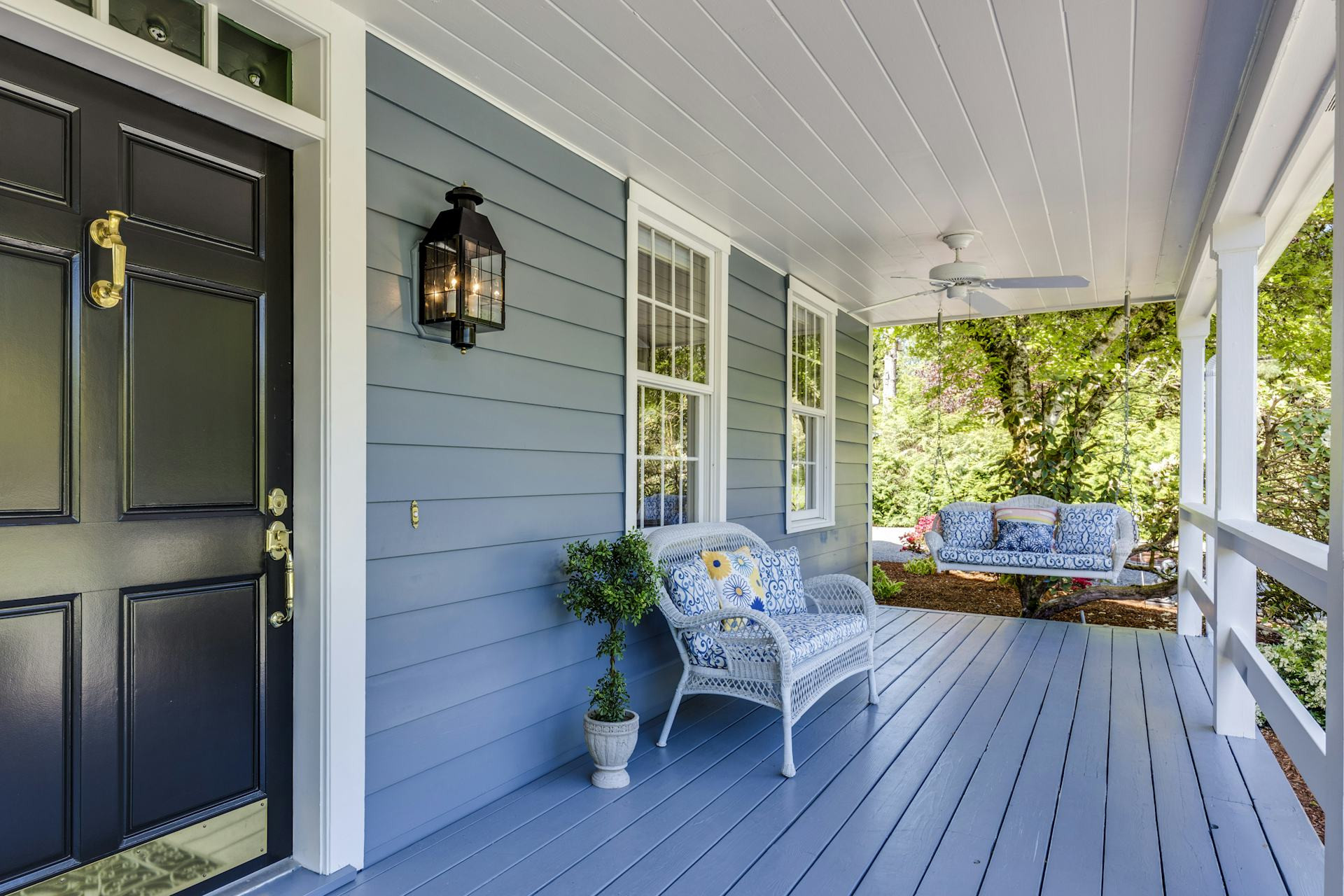
A garden should be more than a patch of green—it should be a comfortable outdoor living space where you can relax, entertain, and enjoy nature, even when the sun is blazing or the wind picks up. Shelter and shade are key to creating that comfort, but they don’t have to come at the expense of beauty. In fact, the right design choices can add structure, character, and atmosphere to your garden. Here’s how to create shade and wind protection in a way that’s both functional and visually appealing.
Plants as Natural Protection
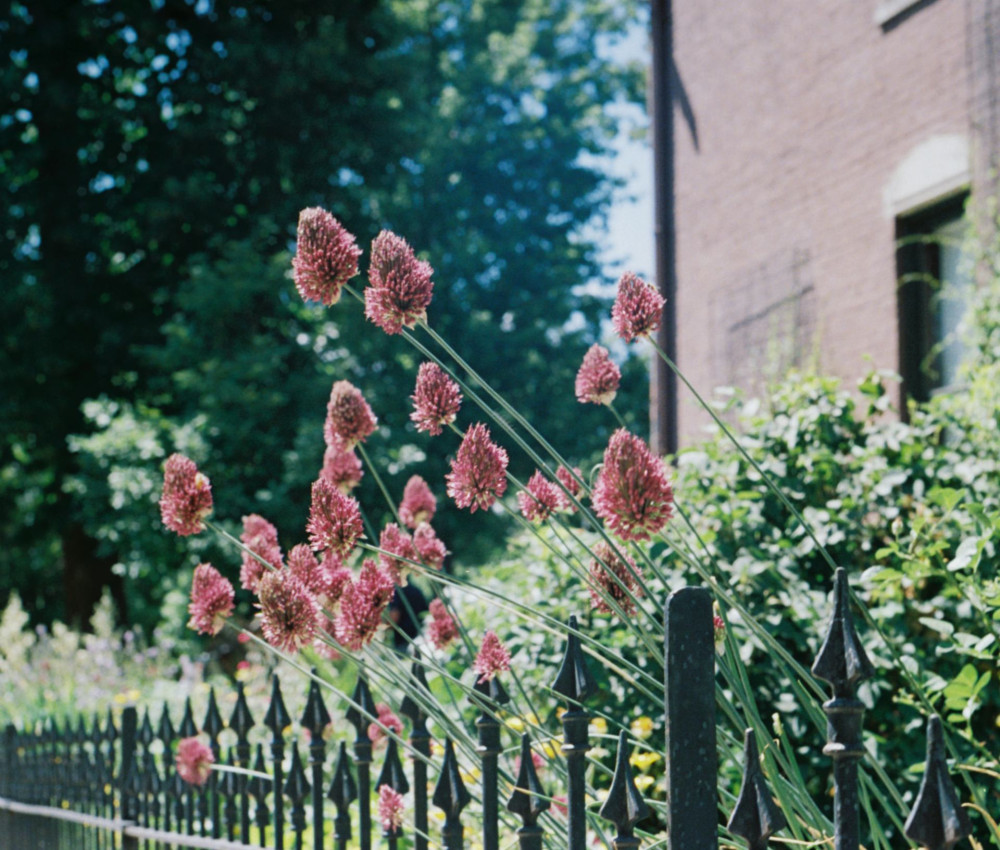
Plants are nature’s own way of providing shade and shelter. They bring life, texture, and color to your garden while helping to define spaces naturally.
- Hedges and shrubs act as living walls that soften the wind and create cozy garden “rooms.” Consider evergreen varieties like boxwood, holly, or arborvitae for year-round structure, or flowering shrubs like hydrangea or lilac for seasonal interest.
- Trees are the most effective natural shade providers. Deciduous trees such as maple, oak, or dogwood offer cooling shade in summer but let sunlight through in winter. Place them strategically near patios, decks, or play areas to create comfortable microclimates.
- Climbing plants like wisteria, jasmine, or climbing roses can transform pergolas, fences, or trellises into lush, living screens that filter light and add fragrance.
When choosing plants, think about height, density, and seasonal variation. A mix of evergreens and flowering species gives your garden depth and a dynamic, natural look throughout the year.
Læs også:


Architectural Solutions with Style
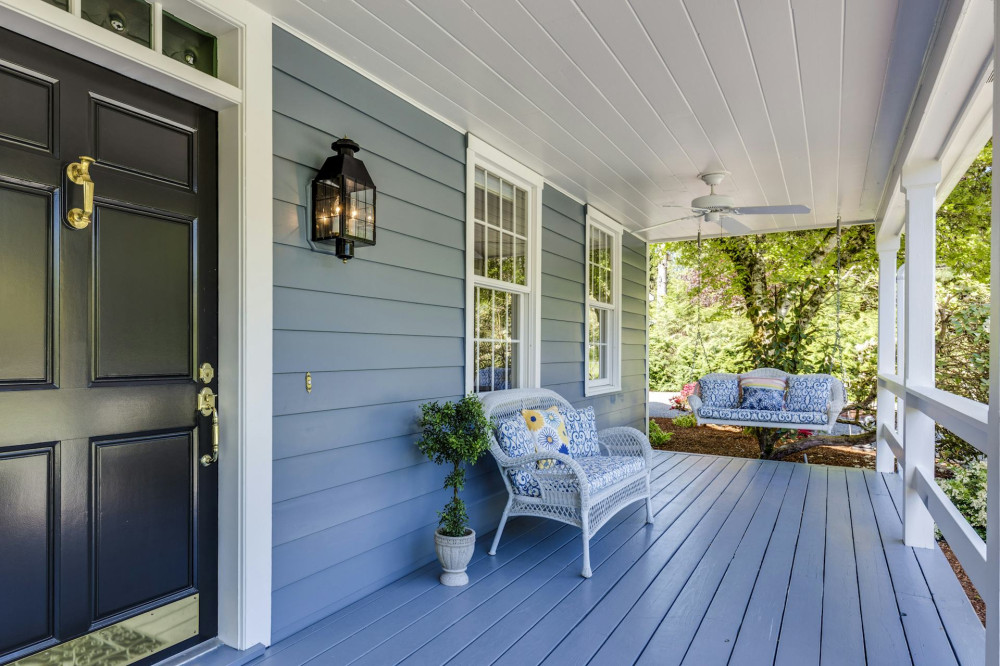
If you prefer more permanent structures, architectural elements such as pergolas, gazebos, and privacy screens can provide both shade and design flair.
- Pergolas offer airy, dappled shade—especially when paired with climbing vines. Wood creates a warm, natural feel, while metal or composite materials lend a sleek, modern touch.
- Privacy screens and fences don’t have to be plain. Try horizontal slats, mixed materials, or decorative panels to add visual interest. Angled or louvered designs can diffuse wind rather than block it completely, creating a more comfortable breeze.
- Shade sails and retractable awnings are flexible options that can be adjusted or removed as needed. Available in a wide range of colors and shapes, they can complement any garden style—from coastal to contemporary.
Pay attention to materials and finishes. Light woods, neutral fabrics, and matte metals blend beautifully with most outdoor settings and help create a calm, cohesive atmosphere.
Playing with Light and Shadow
Shade isn’t just about protection—it’s also about mood. The interplay of light and shadow brings depth and movement to your garden.
Position seating areas so they receive partial shade during the hottest hours of the day. Use semi-transparent materials like bamboo, canvas, or woven willow to filter sunlight gently, creating a soft, relaxing glow.
As evening falls, outdoor lighting can enhance the ambiance. Subtle uplighting under trees, string lights across a pergola, or lanterns along pathways can extend your enjoyment of the garden well into the night.
Understanding Wind and Microclimate
Before you start building or planting, take time to observe how wind and sun move through your yard. In much of the U.S., prevailing winds come from the west or northwest, so placing a hedge, fence, or row of trees in that direction can make a big difference in comfort.
Also consider how you use different parts of your garden. A sunny southern patio might benefit from a shade tree or sail, while a cooler, shaded corner could be opened up with lighter plantings. By working with your garden’s microclimate, you can create multiple zones suited to different times of day and seasons.
A Cohesive and Beautiful Whole
The key to creating shelter and shade that truly enhance your garden is to think holistically. Your solutions should not only serve a purpose but also harmonize with your home’s architecture and the overall garden design. Repeat colors, materials, or shapes from your house or deck to tie everything together.
A well-balanced garden offers both open and enclosed spaces, sun and shade, movement and calm. When you find that balance, you’ll have an outdoor retreat that protects you from the elements while inviting you to linger, unwind, and enjoy nature’s beauty all year long.
Læs også: