The dining table through life – from family years to adulthood

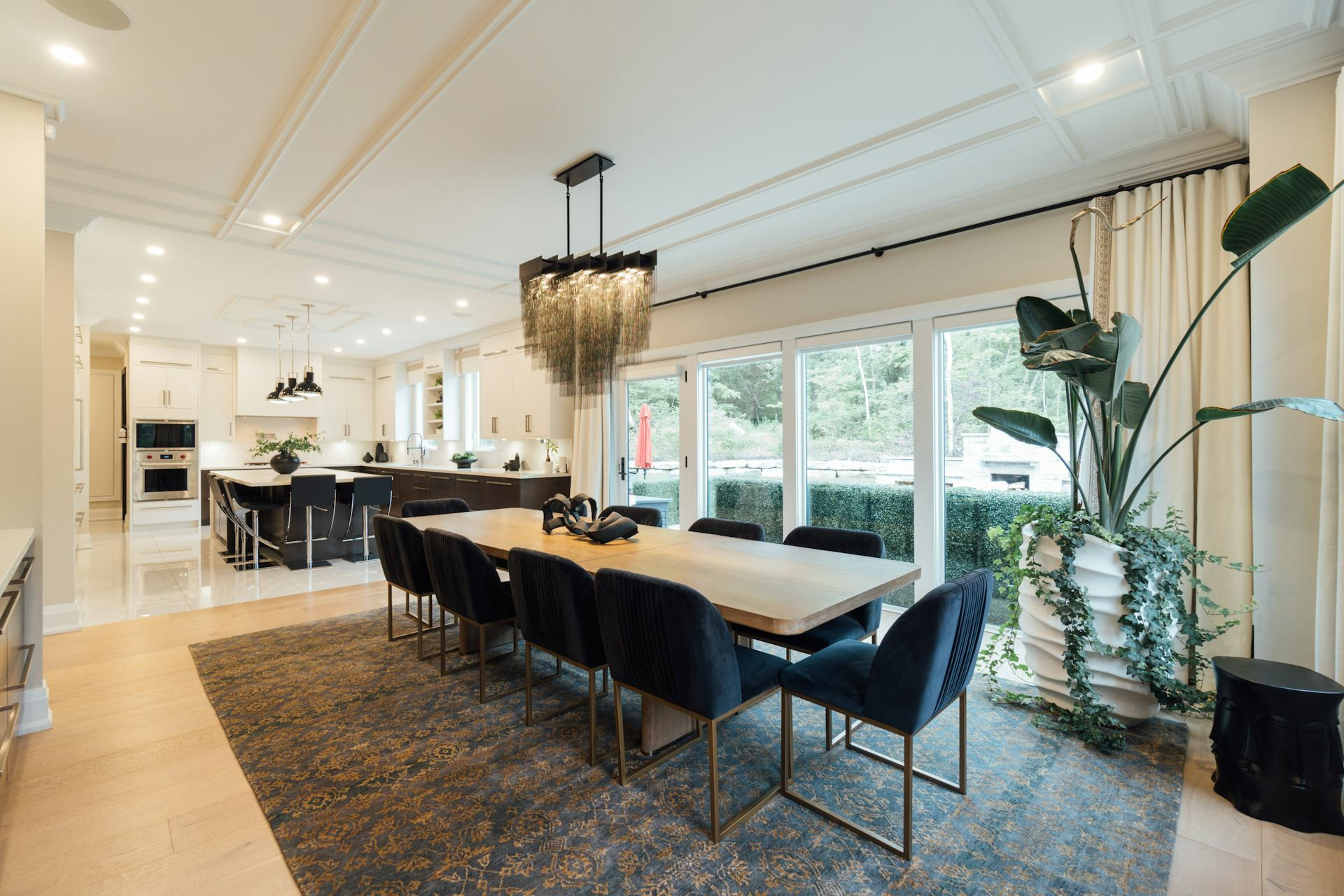
The dining table through life – from family years to adulthood
The dining table is one of the most meaningful pieces of furniture in any home. It’s where we gather for meals, conversations, celebrations, and everyday moments. Though the table itself may stay in the same spot for years, its role changes as life moves forward. From the busy family years to the calm of adulthood, the dining table reflects the rhythm of our lives.
The family years – the heart of the home
In a household with children, the dining table is rarely just a place to eat. It’s a hub for everything from quick breakfasts before school to messy art projects and birthday parties. It’s where homework gets done, lunchboxes are packed, and family stories are shared. Scratches, crumbs, and spills become part of its charm.
During these years, many parents choose a sturdy table—solid wood or laminate—that can handle the wear and tear of daily life. What matters most is that everyone can gather around it, even if one chair is still a highchair. The table becomes a symbol of togetherness and routine in a busy home.
Læs også:

The teenage years – flexibility and change
As children grow, the dining table’s role begins to shift. Family dinners may happen less often, but when they do, the conversations tend to last longer. The table becomes a meeting point between sports practices, part-time jobs, and social lives. It might double as a study space or a spot for friends to hang out.
At this stage, families often start paying more attention to style and design. The table still needs to be practical, but it can also reflect the family’s personality. Some choose a larger table to host guests, while others prefer one with extension leaves for special occasions. The dining area evolves along with the family’s lifestyle.
When the kids move out – new spaces, new habits
When the children leave home, the dining table takes on a new meaning. Suddenly, there are fewer chairs in use, and meals become quieter and more relaxed. This transition often marks a new phase—one focused on calm, connection, and rediscovery. Some downsize to a smaller table that fits the new rhythm of life, while others refresh the old one with a new tablecloth, chairs, or a vase of fresh flowers.
Now, the table becomes a place for long conversations, dinner parties, or quiet mornings with coffee and the newspaper. It might even serve as a workspace or a creative corner for new hobbies. The table adapts once again, reflecting a slower, more intentional pace of life.
Adulthood – the table as a space for connection
In adulthood, the dining table often becomes a symbol of stability and personal expression. It’s where friends gather for dinner, where holidays are celebrated, and where evenings stretch into laughter and stories. The table once again becomes a center of community—this time on your own terms.
Many adults choose a table that reflects their taste and values: a handcrafted oak table, a round one that encourages conversation, or perhaps a vintage piece passed down through generations. The table becomes more than furniture—it becomes part of the home’s story.
The table as a witness to life
No matter where we are in life, the dining table tells our story. It carries the marks of family meals, celebrations, and quiet mornings. It’s a place where life unfolds—in big and small moments alike. Perhaps that’s why the dining table holds such a special place in our homes: it grows with us, connects us, and reminds us of the people and memories that shape our lives.
Læs også: