Glass Tables as a Balancing Element in Interior Design


Glass Tables as a Balancing Element in Interior Design
Glass tables have a unique ability to bring balance to a room. They combine lightness and functionality in a way that both highlights and softens an interior. While wood, metal, and textiles often add weight and texture, glass introduces transparency and calm. This makes a glass table an ideal choice for those who want a harmonious and airy atmosphere in their home.
Lightness and Transparency in the Room
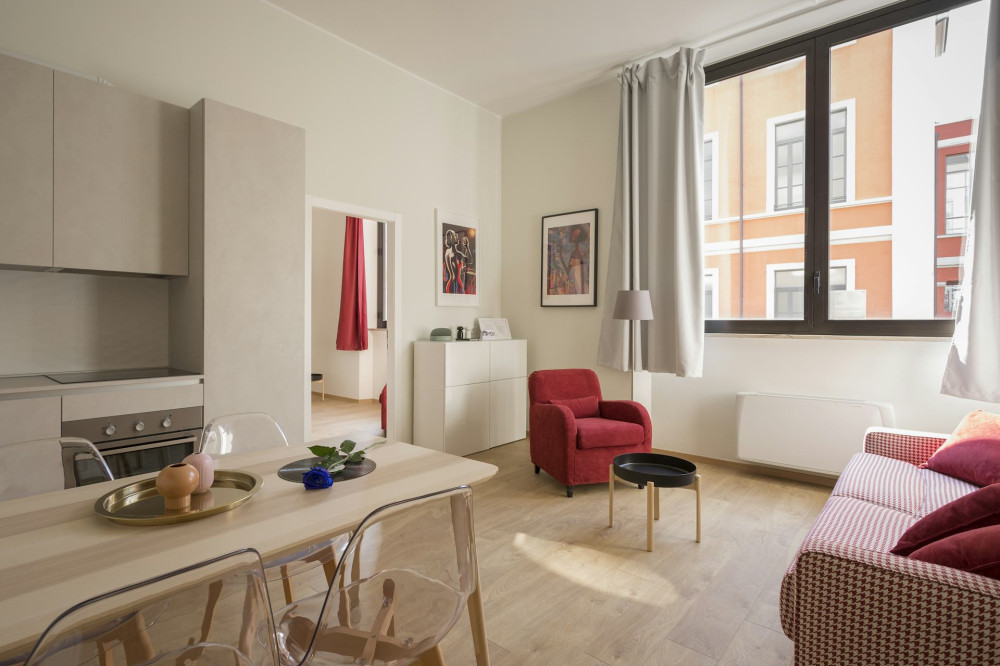
A glass table can make even small spaces feel larger. The transparent surface allows light to pass freely, so the table almost “disappears” into the room. This creates a sense of openness and gives other furniture and details room to stand out. In living rooms with darker or heavier elements, a glass table can serve as a visual breather that balances the overall composition.
At the same time, a glass table can highlight what surrounds it. A beautiful rug, a stylish sofa, or a striking lamp can take center stage, while the table supports the overall impression without dominating it.
Læs også:



Materials and Combinations
Although glass itself feels neutral, it can be paired with many different materials to create distinct moods. A glass table with wooden legs brings warmth and a natural touch, while steel or chrome adds a modern, industrial edge. Combining glass with stone—such as marble—can create an elegant and sophisticated look.
For those who prefer a more personal expression, there are also glass tables with tinted or frosted glass. These options can add a subtle tone to the room without losing the lightness that glass is known for.
Practical Considerations
While glass tables are aesthetically appealing, they do require some care in daily life. Fingerprints and dust are more visible on glass than on many other materials, so regular cleaning is necessary to maintain a crisp look. Tempered glass, however, is both strong and durable, and most modern glass tables are designed to withstand everyday use.
A good tip is to choose a table with rounded edges, especially in homes with children. This not only softens the look but also increases safety.
The Glass Table as a Unifying Element
A glass table can act as a unifying element in interior design—both physically and visually. In the living room, it can tie together the sofa, chairs, and rug into a cohesive whole. In the dining area, a glass table can create an elegant frame for meals, keeping the focus on the food and company rather than the furniture itself.
In a home office, a glass desk can convey professionalism and order, promoting focus and calm. It’s a piece that can be both neutral and full of character—depending on how it’s styled.
A Timeless Investment
Glass tables have the advantage of rarely going out of style. Their simple form and neutral material make them easy to integrate into various design styles—from classic to minimalist, from coastal to contemporary. They can adapt as the rest of the décor evolves, making them a long-lasting element in the home.
Choosing a glass table is therefore not only about aesthetics but also about creating balance—between light and shadow, between lightness and weight, between what is seen and what is suggested. It is in this balance that the true strength of the glass table lies.
Læs også: