Green Plants as a Natural Part of Sustainable Home Design

Green Plants as a Natural Part of Sustainable Home Design
Green plants have long proven that they can do far more than simply decorate a windowsill. They contribute to a healthier indoor environment, create calm and balance, and can be an essential part of sustainable home design. By integrating plants naturally into your home’s layout, you can combine aesthetics, well-being, and environmental responsibility in a simple and meaningful way.
Plants as Living Design Elements
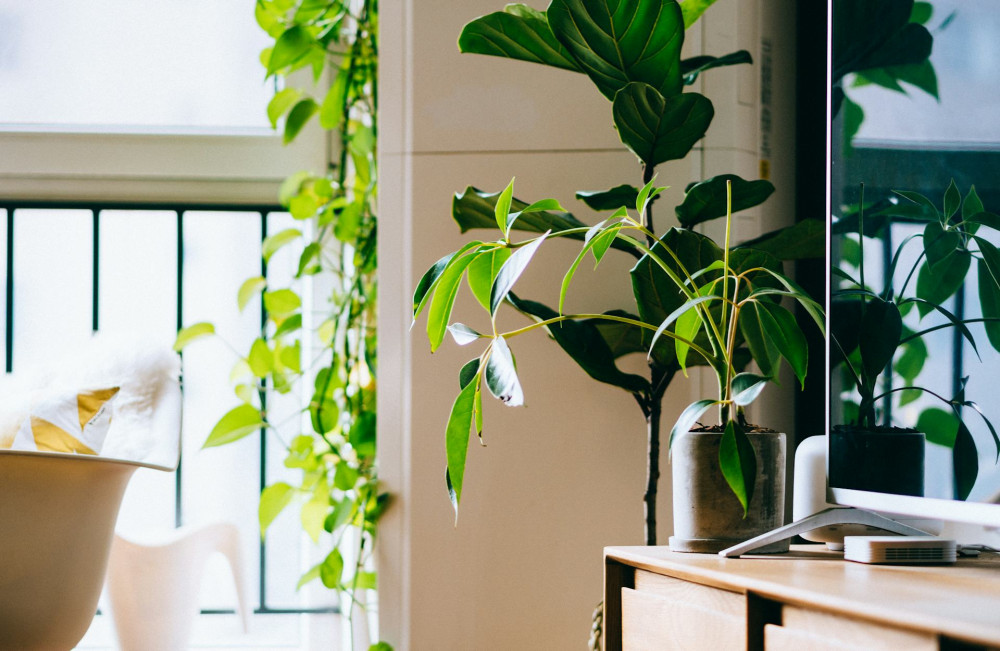
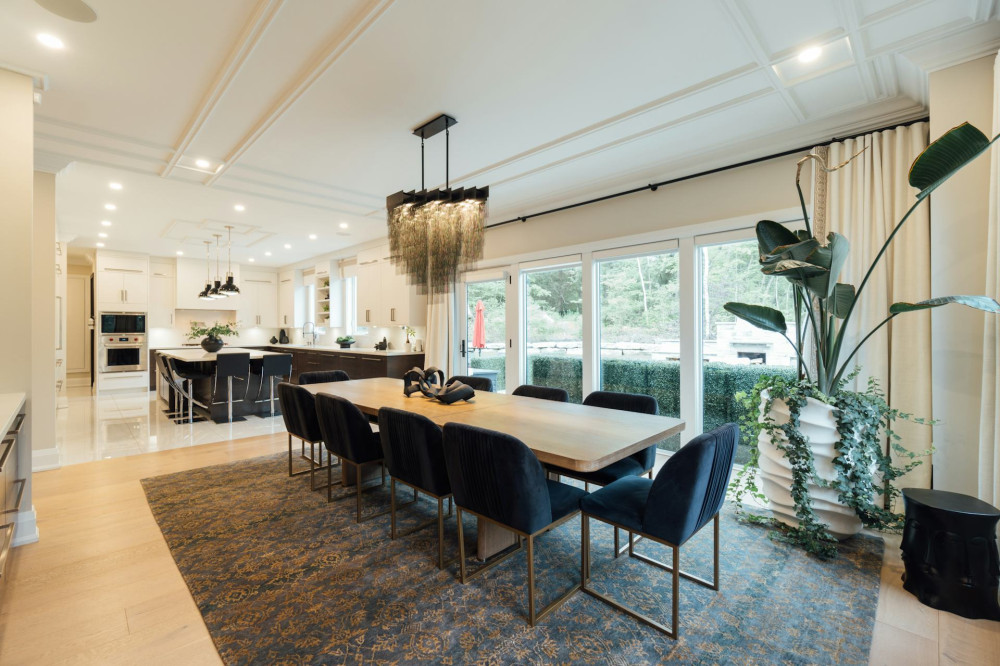
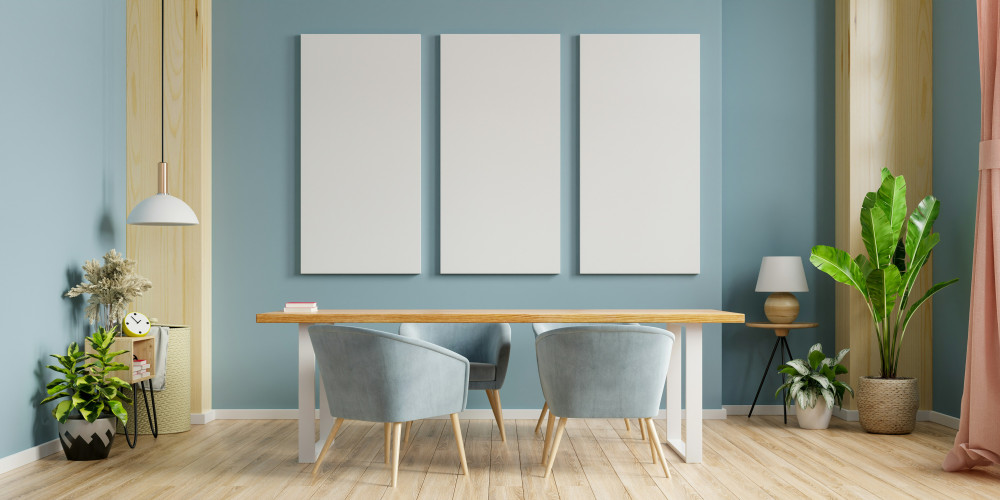
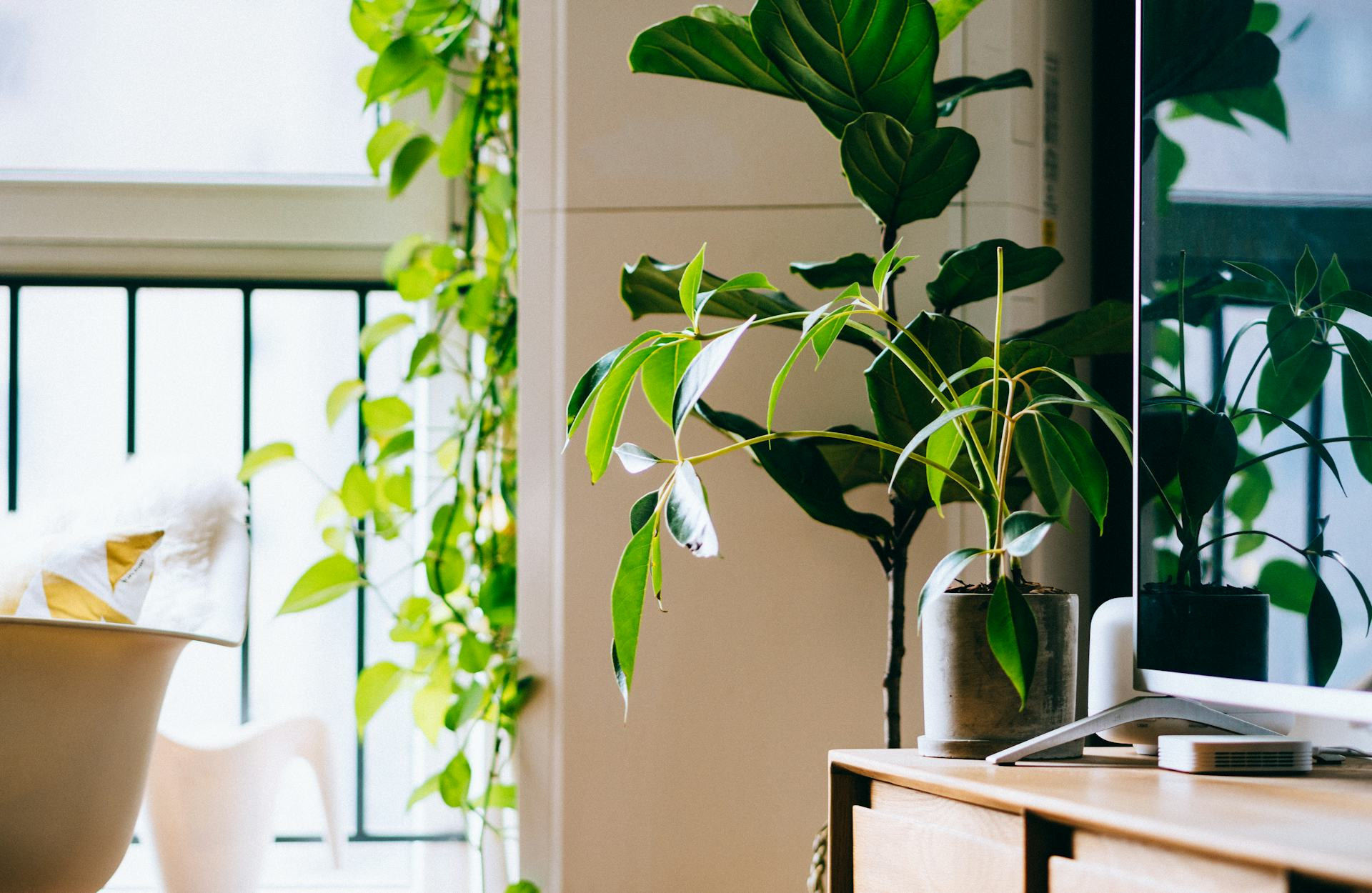
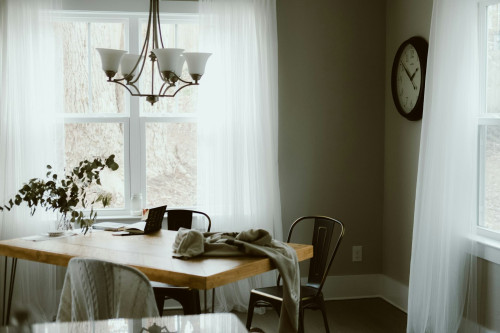
As more Americans seek homes that feel natural, peaceful, and connected to the environment, green plants have become central to interior design. They bring life, color, and texture to a space and can serve as active design features. Large plants like fiddle-leaf figs, rubber trees, or palms can define areas in open floor plans, while hanging plants and small succulents add lightness and variety.
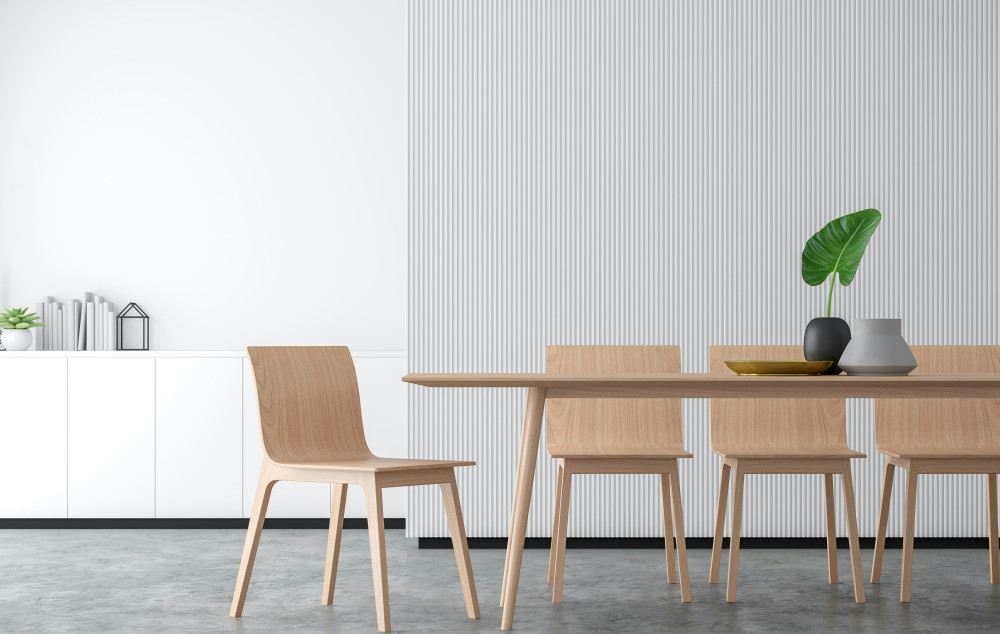
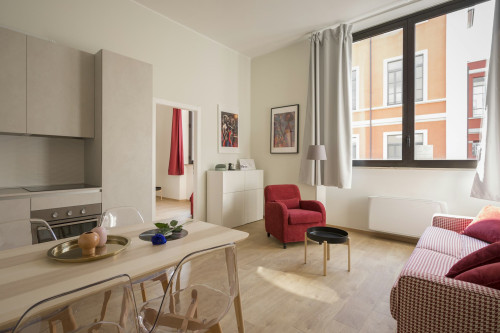
Plants also soften modern, minimalist interiors dominated by materials such as concrete, glass, and metal. The greenery adds warmth and contrast—reminding us of nature’s presence even in the heart of the city.
Læs også:
A Healthier Indoor Environment
Beyond their visual appeal, plants help improve indoor air quality. They absorb carbon dioxide, release oxygen, and can reduce certain airborne particles. Some species—such as peace lilies, ferns, and snake plants—are particularly effective at filtering out chemical compounds from furniture, paint, and cleaning products.
Plants also increase humidity, which can be beneficial during the dry winter months when heating systems make indoor air parched. This can ease irritation in the eyes and airways and create a more comfortable atmosphere—without relying on electric humidifiers.
Sustainability in Practice
Designing with plants is not only about beauty but also about responsibility. Choosing species that thrive in your home’s natural light and temperature helps avoid unnecessary waste of resources. Buying from local nurseries supports nearby growers, reduces transportation emissions, and often ensures more sustainable production practices.
Consider using pots and planters made from eco-friendly materials such as clay, recycled ceramics, or natural fibers. Avoid plastic when possible, and use organic soil and natural fertilizers. Even small choices can make a difference when you’re aiming to create a greener home—in every sense of the word.
Balancing Nature and Function
Sustainable home design is about harmony—between function, aesthetics, and the environment. Plants can help achieve that balance. They can be integrated into shelving, hung from ceilings, or placed strategically where they receive light and enhance the room’s purpose.
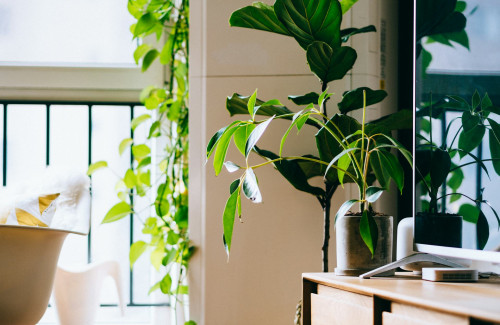
A helpful approach is to think in zones: use plants to define a dining area, bring calm to a bedroom, or add energy to a home office. In this way, they become more than decoration—they become an active part of the home’s rhythm and atmosphere.
Mindful Plant Care
Even the hardiest plants need some attention. Learn what your plants require—some love direct sunlight, while others prefer shade and consistent moisture. Use collected rainwater if possible, and avoid overwatering. This conserves water and extends the life of your plants.
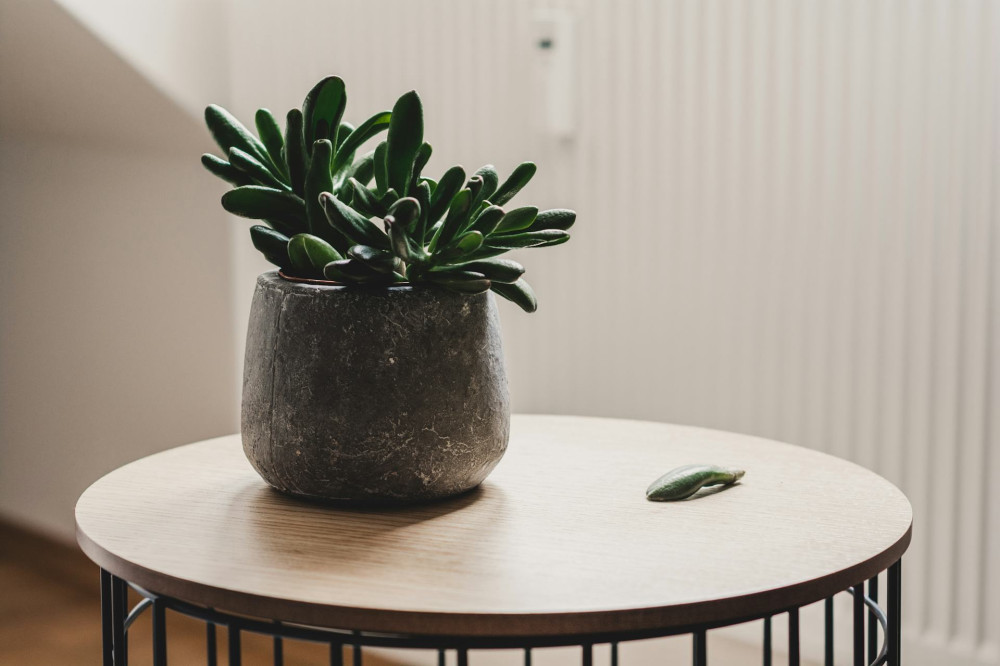
If your schedule is busy, choose low-maintenance varieties such as cacti, sansevieria, or pothos. They are resilient, slow-growing, and fit perfectly into a modern, sustainable lifestyle.
A Greener Home—for You and the Planet
Bringing green plants into your home is a simple way to reconnect with nature in everyday life. It fosters calm, improves air quality, and supports a more sustainable way of living. At the same time, plants remind us that we are part of nature’s cycle—and that even small choices at home can have a positive impact on both our well-being and the environment.
A green home is not just beautiful to look at. It’s a home that breathes, grows, and inspires—every single day.
Læs også: