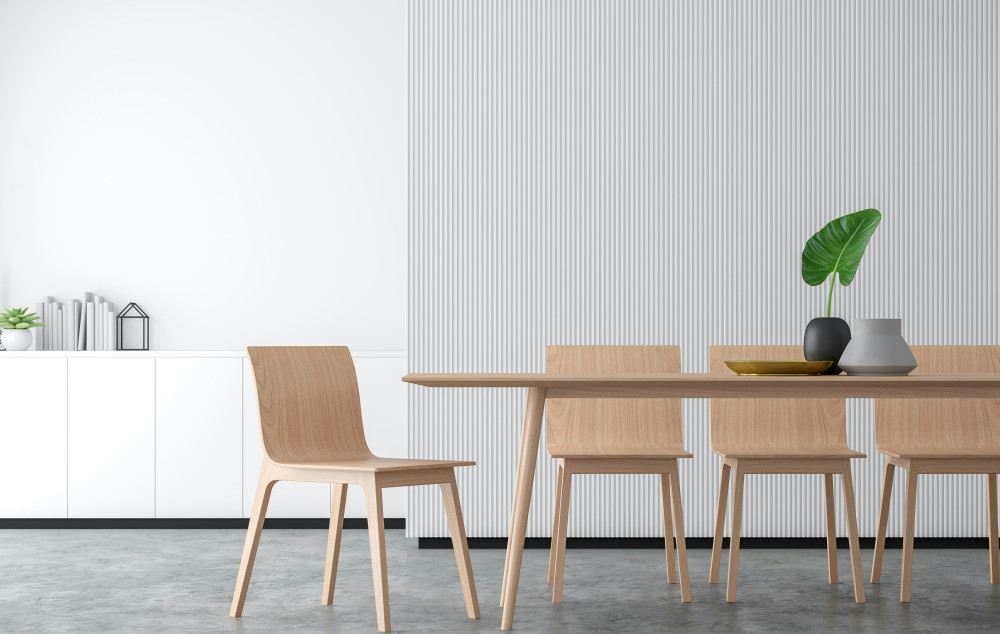
Renovate with Respect for the Home’s Architecture

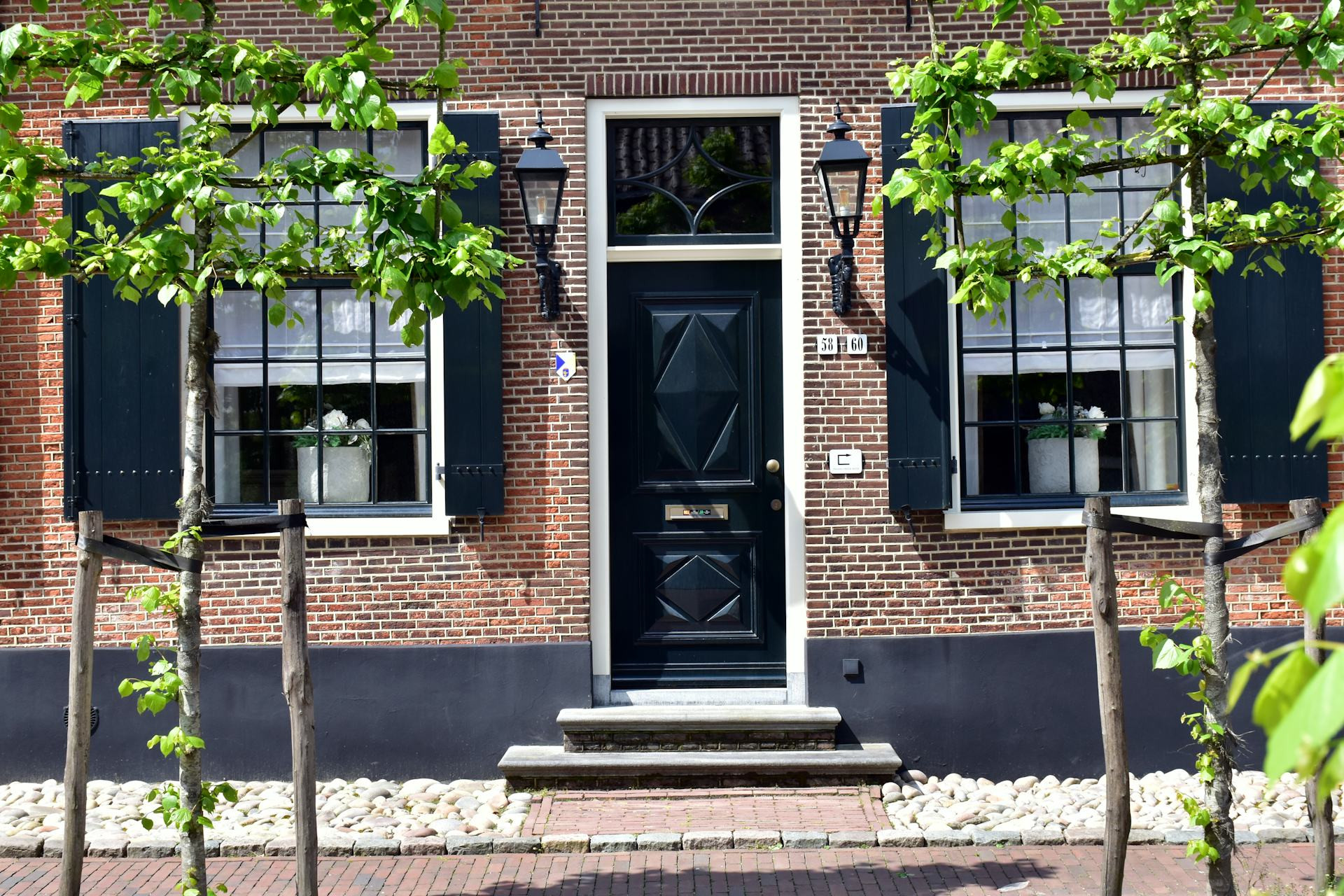
Renovate with Respect for the Home’s Architecture
When you decide to renovate your home, it’s easy to get caught up in modern trends, new materials, and personal preferences. But a house is more than just walls and a roof—it’s a piece of architecture with a story, a style, and a character that deserve respect. A successful renovation is not only about renewal but also about preservation and understanding the home’s original design.
Get to Know Your Home
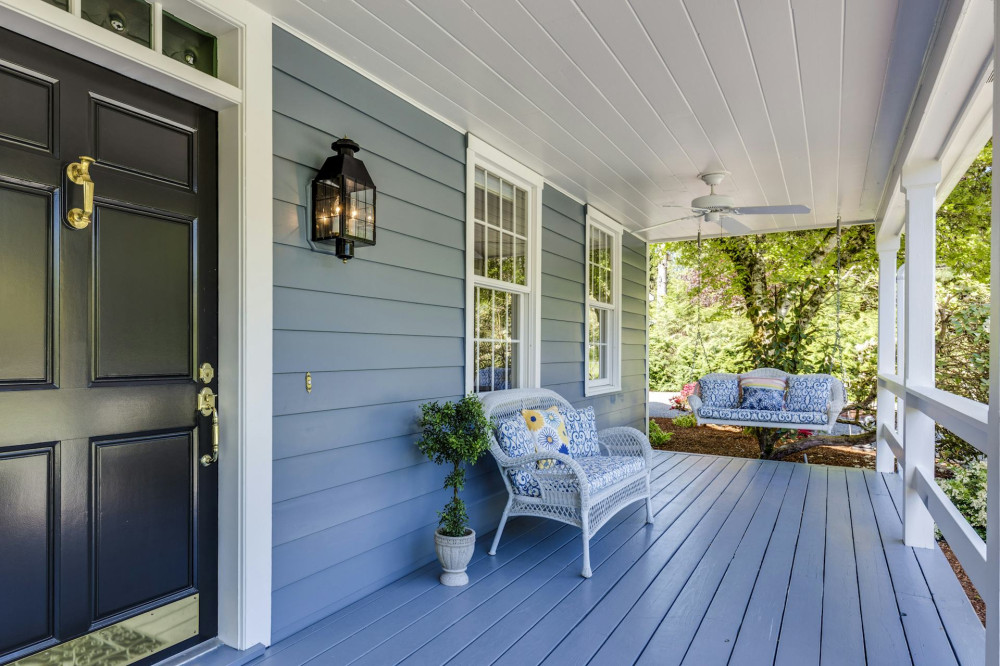
Before making any changes, take time to understand what kind of house you have. Is it a Craftsman bungalow from the 1920s, a mid-century ranch from the 1950s, or a Colonial Revival built in the 1980s? Each era has its own defining features—from rooflines and window shapes to materials and color palettes.
Research your home’s history. You can often find information in local building records, historical societies, or even by talking to longtime neighbors. The better you understand your home’s original concept, the easier it becomes to make choices that complement its architecture.
Preserve What Gives the Home Its Soul
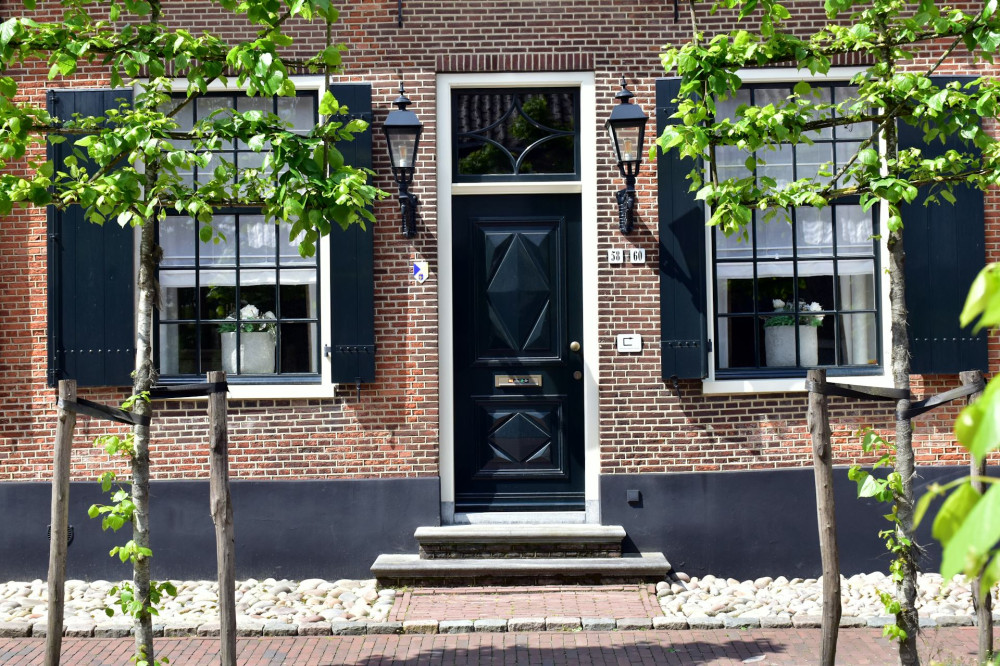
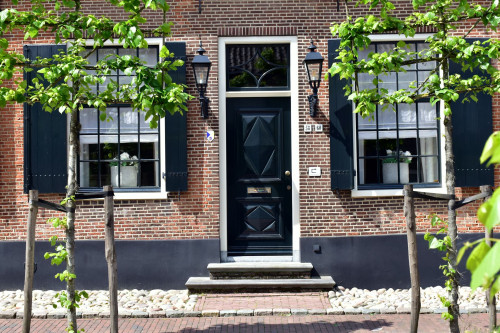
Many older homes have details that may seem outdated but are actually key to their charm and identity. Think of original wood windows, decorative moldings, solid wood doors, or handcrafted brickwork.
Instead of replacing everything, consider restoring what you can. Old windows can often be repaired and weather-stripped to improve energy efficiency while maintaining their character. The same goes for hardwood floors and trim—gentle refinishing can bring them back to life in a way that feels authentic and sustainable.
Læs også:
Modern Updates in Harmony with the Old
Of course, your home needs to function for modern living. You might want to open up the kitchen, add a bathroom, or improve insulation. These updates can be done without compromising the home’s architectural integrity.
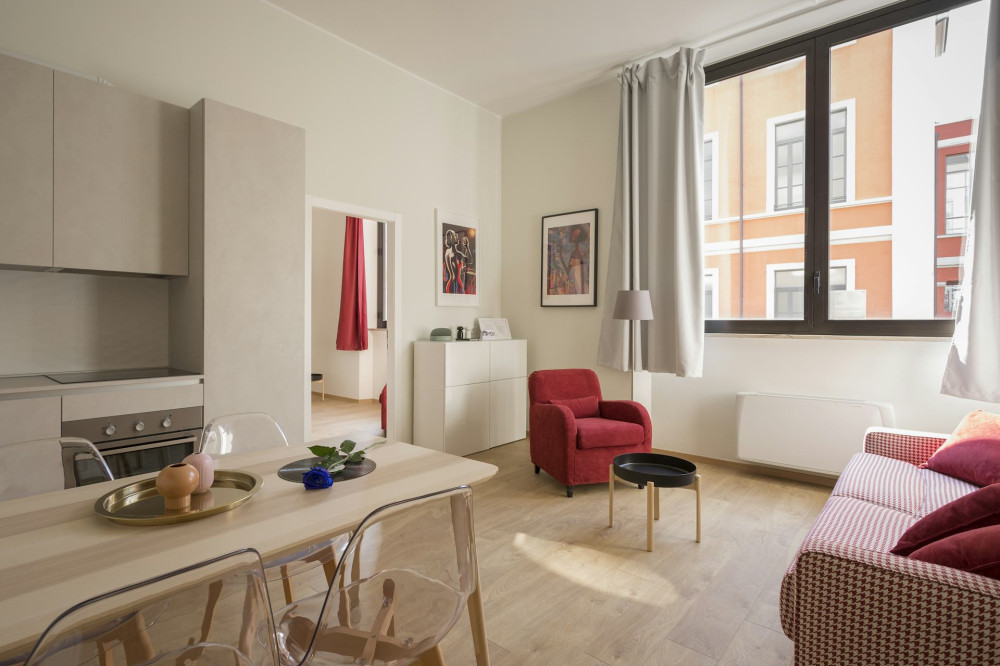
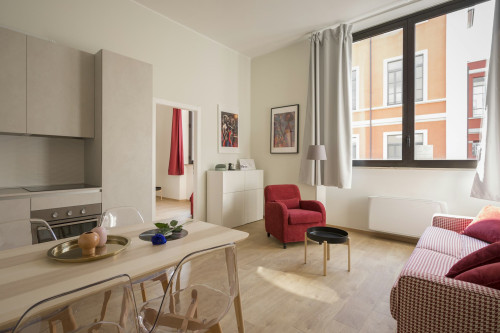
When adding something new, let the existing structure guide you. Choose materials that match in quality and tone, and pay attention to proportions and lines. A sleek, modern kitchen can fit beautifully into a historic home if the colors, finishes, and details echo the home’s original spirit.
Also consider how light and flow are affected. A new addition or window should enhance the home’s rhythm, not disrupt it.
Thoughtful Use of Colors and Materials
Colors and materials play a huge role in maintaining a home’s character. Many houses lose their identity when painted in trendy colors that clash with their architecture.
Look for clues to the original color scheme—under old paint layers, in historic photos, or through local archives. Then choose updated versions that respect the home’s heritage while still feeling fresh. A limited palette of cohesive materials and colors creates harmony, whether you’re renovating a city townhouse or a country farmhouse.
Sustainability and Respect Go Hand in Hand
Renovating with respect for the home’s architecture is also a sustainable approach. Preserving and reusing existing materials saves resources and energy, while giving your home a sense of authenticity that new construction can’t replicate.
Consider energy improvements that don’t alter the home’s appearance too much—like interior insulation, storm windows that protect original frames, or discreet solar solutions. These choices balance efficiency with preservation.
Seek Professional Guidance
Even small changes can have a big impact on a home’s appearance. Consulting an architect or designer experienced in historic or period renovations can be invaluable. They can help you find solutions that meet modern needs while honoring the home’s design.
A professional can also guide you through building codes, zoning rules, and preservation guidelines—helping you avoid costly mistakes and achieve a result that lasts for decades.
A Home with History—and a Future
When you renovate with respect for your home’s architecture, you’re not just creating a beautiful space—you’re continuing a story. It’s about finding balance between past and present, between what was and what will be.
A thoughtfully renovated home feels harmonious and genuine. It tells its own story and becomes a place where tradition and innovation live side by side.
Læs også: