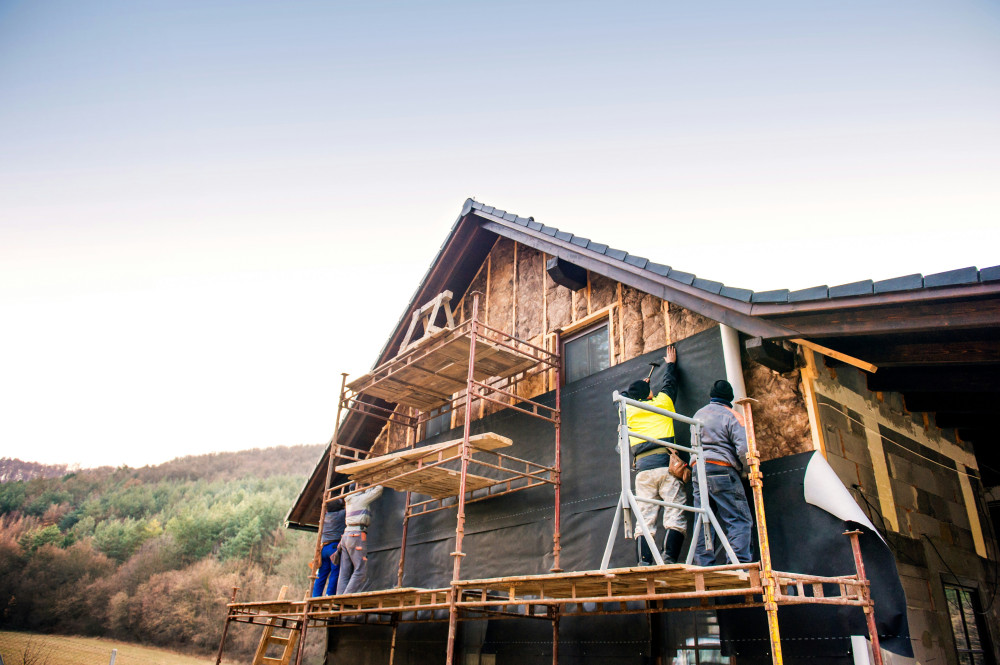
Insulation as Part of a Long-Term Plan for Transferring a Home Between Generations

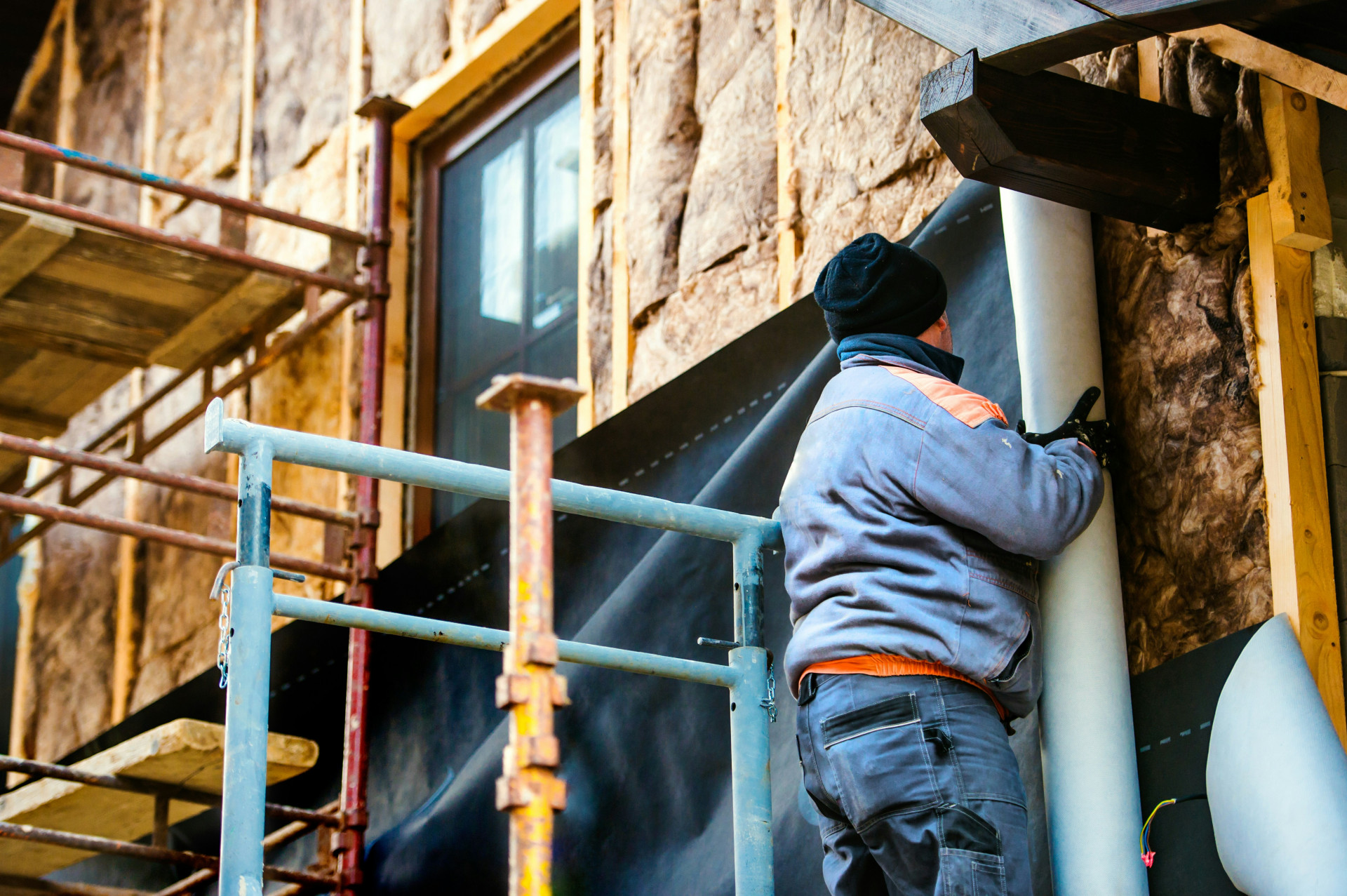
Insulation as Part of a Long-Term Plan for Transferring a Home Between Generations
When a home is passed down from one generation to the next, it’s about more than just property and sentiment—it’s about ensuring that the house remains comfortable, efficient, and financially sustainable for years to come. One of the smartest ways to prepare a home for this transition is to make insulation part of the long-term plan. Good insulation improves comfort, reduces energy costs, and preserves the home’s value—all of which make the transfer smoother and more appealing for the next generation.
Why Insulation Should Be Part of the Generational Plan
Passing a home to children or grandchildren often involves both emotional and practical considerations. Should the house be sold, inherited, or renovated before the next family moves in? No matter the scenario, energy efficiency plays a key role. A poorly insulated home can be expensive to heat or cool and uncomfortable to live in—issues that can complicate the transition.
By investing in insulation well in advance, you can:
- Improve energy efficiency and significantly lower heating and cooling bills.
- Extend the life of the building, since insulation helps protect against moisture and temperature fluctuations.
- Increase the home’s market value, which can be beneficial if the property is sold or refinanced as part of the transfer.
- Create a healthier indoor environment, making the home more comfortable for both current and future occupants.
Start with an Energy Assessment
Before adding or upgrading insulation, it’s wise to schedule a professional home energy audit. Certified energy auditors can identify where heat or cool air is escaping and recommend the most cost-effective improvements. In many American homes, the attic, exterior walls, floors, and windows are the biggest sources of energy loss.
An energy assessment provides a clear picture of which upgrades will have the greatest impact—and how they can fit into a broader plan for the home’s future. It can also help you qualify for federal or state incentives, such as tax credits or rebates for energy-efficient improvements.
Læs også:

Focus on the Most Effective Insulation Upgrades
When planning insulation as part of a generational transfer, think long-term. Here are some of the most effective areas to address:
- Attic insulation: Often the most affordable and impactful improvement. Because heat rises, an under-insulated attic can account for up to 25–30% of energy loss.
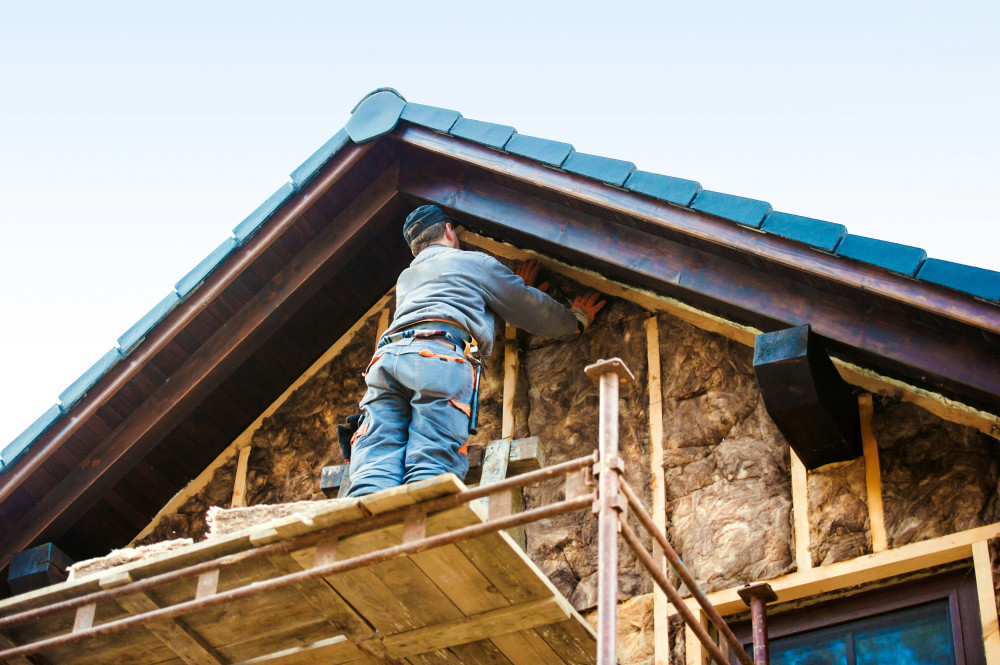
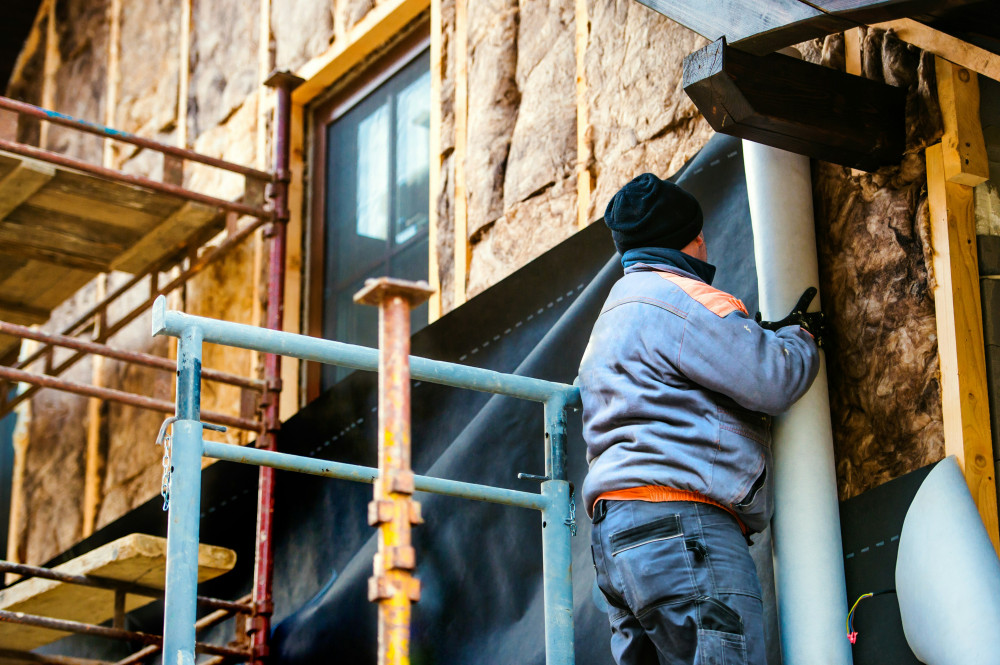
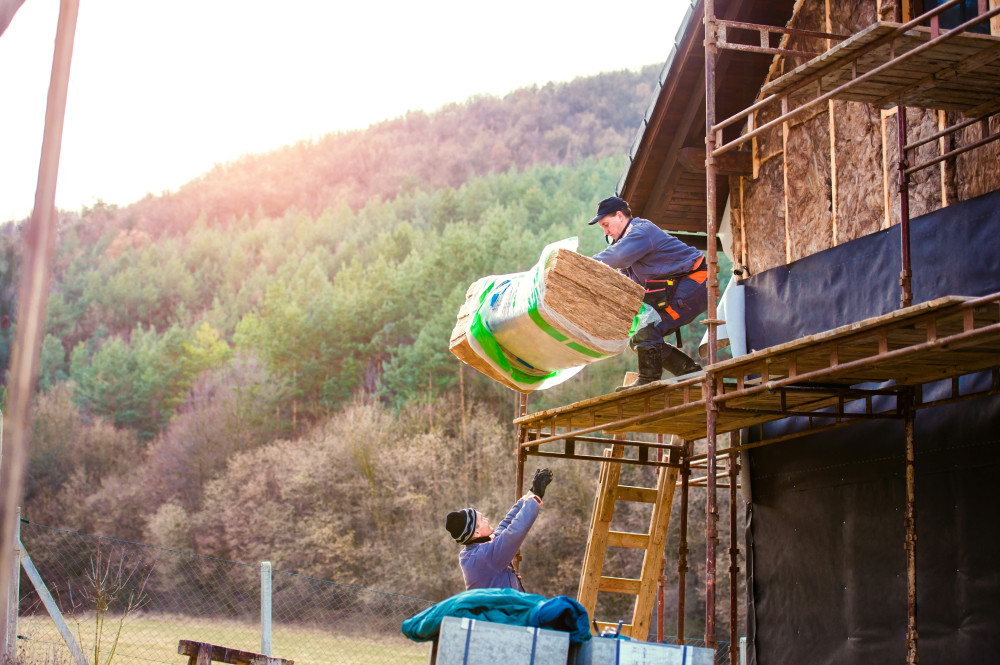
- Exterior walls: Adding blown-in or exterior insulation can greatly improve comfort and reduce energy use.
- Floor insulation: Especially important in older homes with crawl spaces or unheated basements.
- Windows and doors: Replacing single-pane windows with energy-efficient models or sealing gaps can make a noticeable difference.
Tackling one area at a time allows you to spread costs over several years while ensuring that each project is done in the right order.
An Investment in Comfort and Financial Stability
Insulation isn’t just a technical upgrade—it’s an investment in quality of life. A well-insulated home stays warmer in winter, cooler in summer, and requires less energy to maintain a comfortable temperature. That means lower utility bills and a smaller environmental footprint—values that resonate strongly with younger generations.
Lower energy costs can also free up funds for other improvements or help ease the financial burden for those inheriting the home. In that sense, insulation is one of the most practical and forward-thinking investments you can make as part of a generational plan.
Plan Ahead and Think Holistically
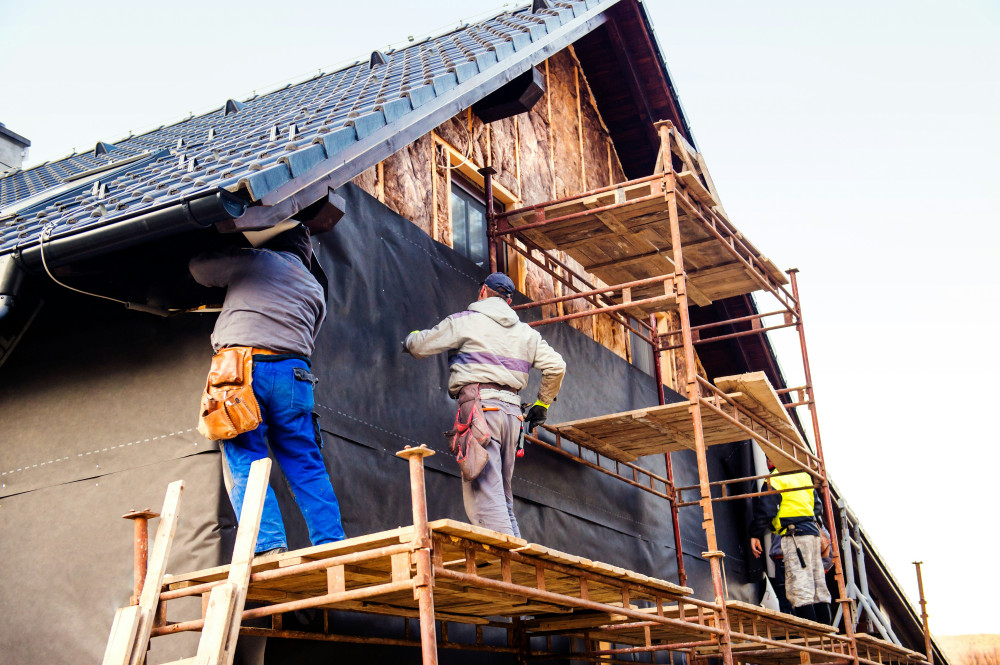
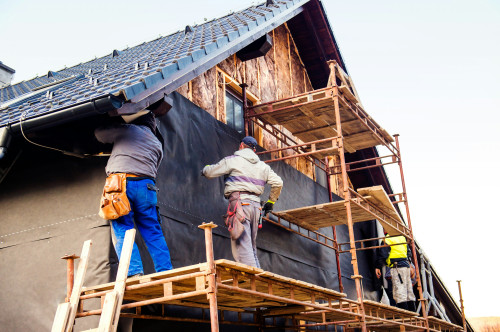
A generational transfer rarely happens overnight. That’s why it makes sense to incorporate energy improvements into a multi-year plan. If the roof will need replacement soon, combine that project with new attic insulation. If the siding is due for an update, consider adding exterior wall insulation at the same time.
Coordinating these projects can save both time and money while ensuring the home is in excellent condition when it’s passed on.
A Home Ready for the Next Generation
By investing in insulation as part of a long-term plan, you’re not just passing down a house—you’re passing down a home that’s healthy, efficient, and ready for the future. It’s a gift that benefits both the family and the planet, offering comfort, savings, and sustainability for generations to come.
Læs også: