Get Quality for Your Subsidy – How to Ensure Good Insulation Work

Get Quality for Your Subsidy – How to Ensure Good Insulation Work
When you invest in insulating your home, it’s not just about lowering your energy bills – it’s about creating a comfortable, healthy living environment and making an improvement that lasts for years. With the many federal, state, and utility rebate programs available for energy upgrades, it can be tempting to jump right in. But the quality of the work determines whether your investment truly pays off. Here’s how to make sure you get top-quality insulation work – and the best value for your subsidy.
Start with a Professional Energy Assessment
Before deciding where and how to insulate, schedule a professional home energy audit. A certified energy auditor can identify where your home is losing heat and which improvements will have the biggest impact. This might include attic insulation, wall insulation, basement or crawl space insulation, or sealing air leaks around windows and doors.
An energy assessment gives you a clear picture of:
- Which upgrades will save the most energy.
- What materials are best suited to your home’s structure and climate zone.
- Which improvements qualify for rebates or tax credits.
This small upfront investment often pays for itself by helping you avoid unnecessary or ineffective work.
Choose a Certified Contractor
When selecting a contractor, focus on quality and proven experience. Look for companies that are licensed, insured, and certified by programs such as BPI (Building Performance Institute) or RESNET (Residential Energy Services Network). These credentials show that the contractor follows recognized standards for energy efficiency and safety.
Always ask for:
- References from previous customers.
- Documentation of materials and installation methods.
- A written contract that clearly describes the scope of work and costs.
A reputable contractor will be transparent about their process and the products they use. Be cautious of bids that seem too low – cutting corners on insulation quality or installation can cost you more in the long run.
Understand the Incentive Rules
There are several ways to get financial help for energy improvements, including federal tax credits, state energy programs, and utility rebates. For example, the Inflation Reduction Act offers tax credits for qualifying insulation and air sealing projects. However, each program has its own requirements, and it’s important to understand them before starting work.
Typical requirements may include:
- Using approved materials and certified contractors.
- Providing documentation such as invoices, product labels, and before-and-after photos.
- Completing the work within a specific timeframe.
Read the terms carefully or ask your contractor for assistance with the paperwork. Starting the project before your rebate or credit is approved could make you ineligible for the incentive.
Choose the Right Materials
Insulation materials vary widely in performance, cost, and environmental impact. The best choice depends on your home’s design, your local climate, and your budget.
- Fiberglass or mineral wool batts are common and effective for attics and walls.
- Blown-in cellulose is eco-friendly and great for attics and wall cavities.
- Spray foam insulation provides excellent air sealing but must be installed precisely.
- Rigid foam boards are ideal for basements, foundations, and exterior walls.
Discuss options with your contractor to find the best fit. Even the highest-quality material won’t perform well if it’s installed incorrectly, so proper workmanship is key.
Monitor the Work as It Happens
Even if professionals are handling the job, it’s smart to stay involved. Check that:
- The agreed-upon materials are being used.
- Gaps and seams are properly sealed.
- No cold spots or air leaks are left behind.
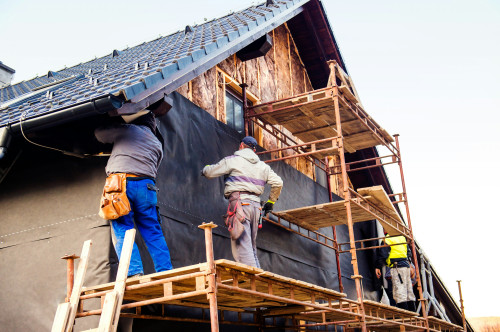
Good insulation work is all about attention to detail. Small mistakes can lead to moisture problems, mold, or heat loss – all of which can be expensive to fix later.
Get Documentation and Warranty
When the job is complete, make sure you receive full documentation of the work performed. This should include:
- An itemized invoice listing materials and quantities.
- Photos of the installation before and after.
- Any manufacturer warranties or contractor guarantees.
Keep these records for your files – they’re useful if you sell your home, apply for additional rebates, or need to verify the work later.
Think Long-Term – Maintain Your Insulation
Insulation isn’t a “set it and forget it” improvement. Over time, materials can settle, get damp, or lose effectiveness. Inspect your insulation every few years, especially in the attic or crawl space, where moisture or pests can cause damage.
Regular maintenance ensures your energy savings continue and that your home stays comfortable year-round.
Læs også:

Quality Pays Off
High-quality insulation is one of the smartest ways to reduce energy use and improve comfort. But to get the most from your subsidy or rebate, you need to make informed choices – from the initial energy assessment to the final inspection. With careful planning, the right contractor, and attention to detail, you’ll get quality for your subsidy and a home that’s warmer, healthier, and more valuable.
Læs også: