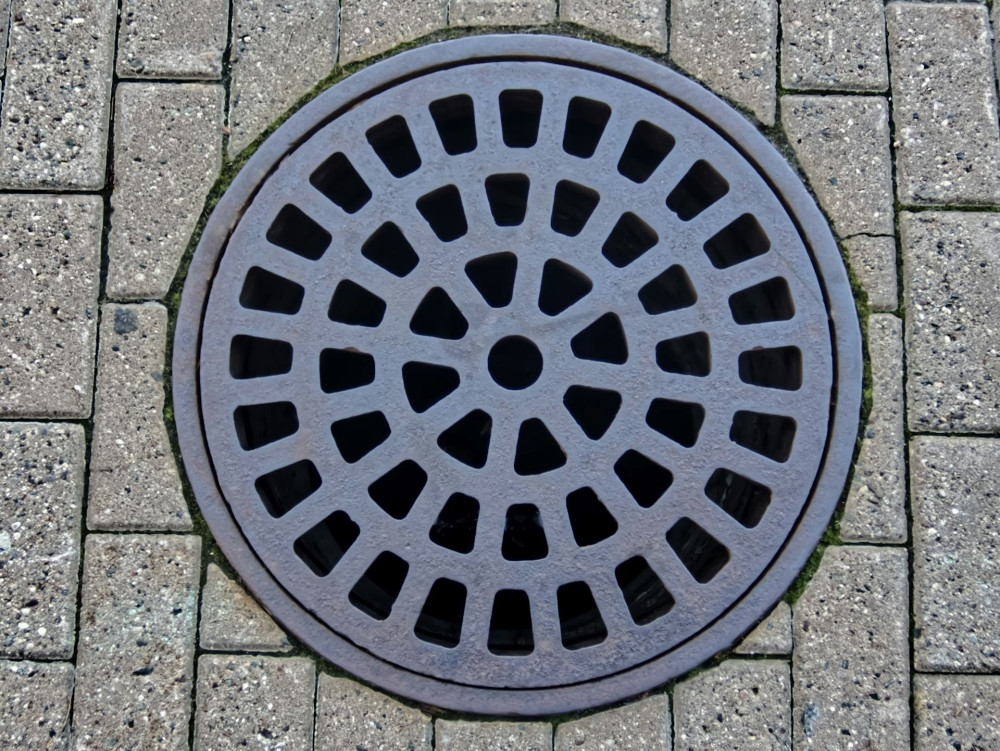
Prepare the Sewer for Professional Drain Cleaning

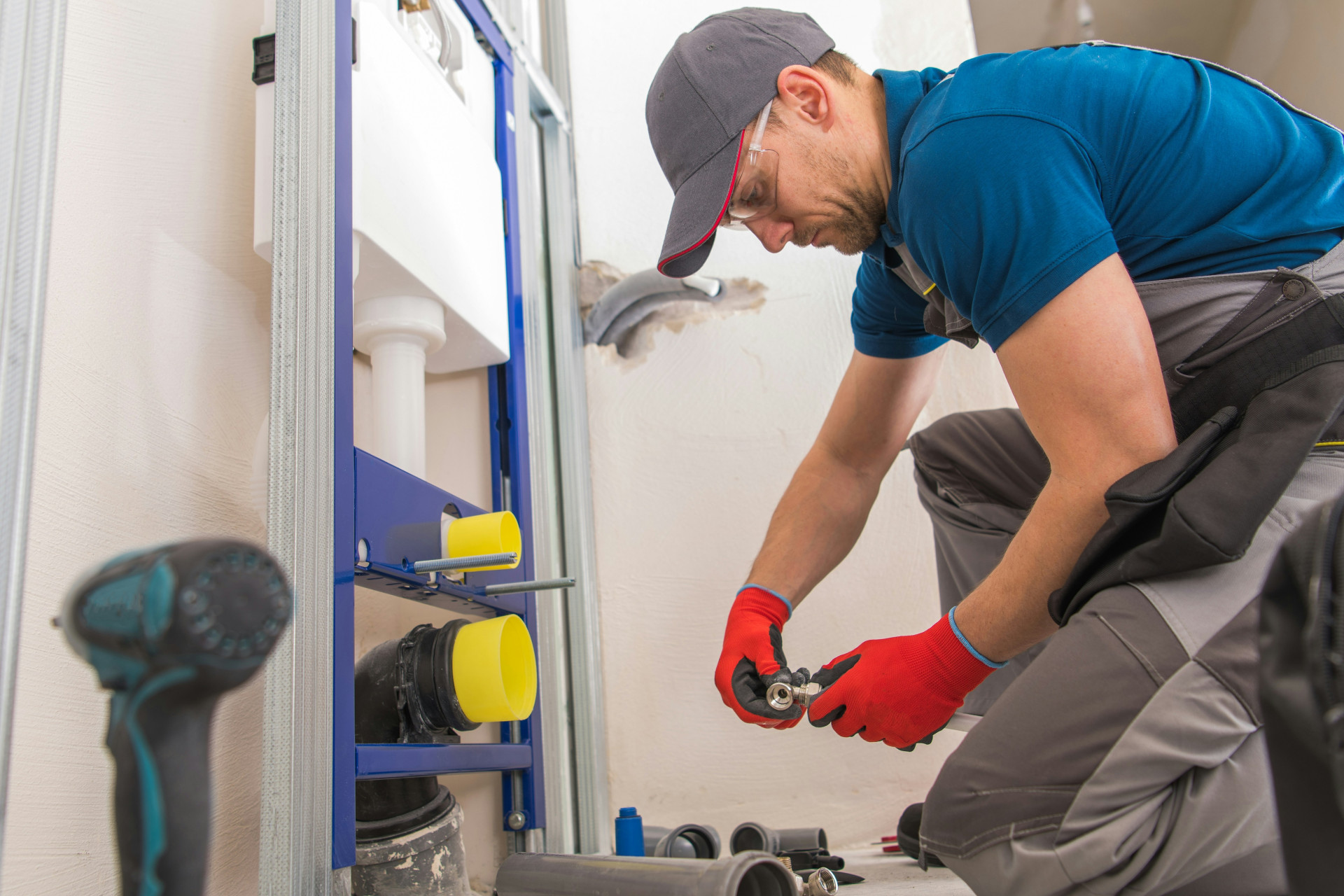
Prepare the Sewer for Professional Drain Cleaning
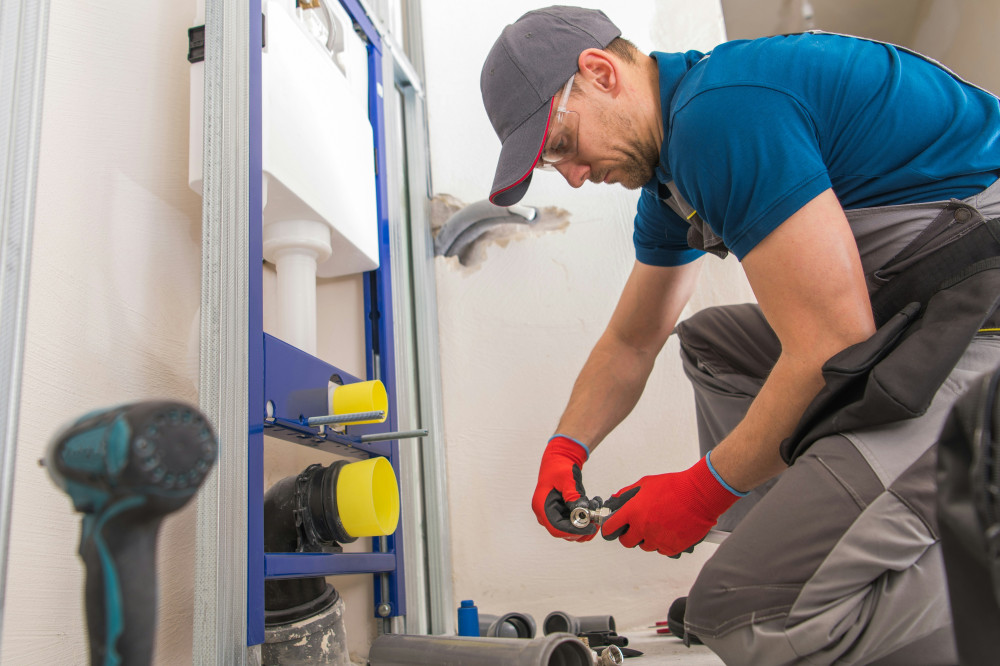
A professional drain cleaning can make a big difference in how well your plumbing system functions and how long it lasts. But for the job to be done efficiently and without unnecessary complications, it’s important to prepare your sewer and the surrounding area before the technician arrives. Here’s a practical guide on how to get ready—and what to expect during the process.
Why Preparation Matters
Drain cleaning isn’t just about clearing a clog. It’s also an opportunity to assess the overall condition of your plumbing system. When you prepare the area properly, the technician can work faster, more accurately, and with less risk of damage to your property.
Good preparation can also save you money. The more efficiently the work can be done, the less time it takes—and the lower the chance of unexpected issues or extra costs.
Clear the Access Points
The first step is to make sure there’s clear access to the parts of your plumbing system that need attention. This applies both indoors and outdoors.
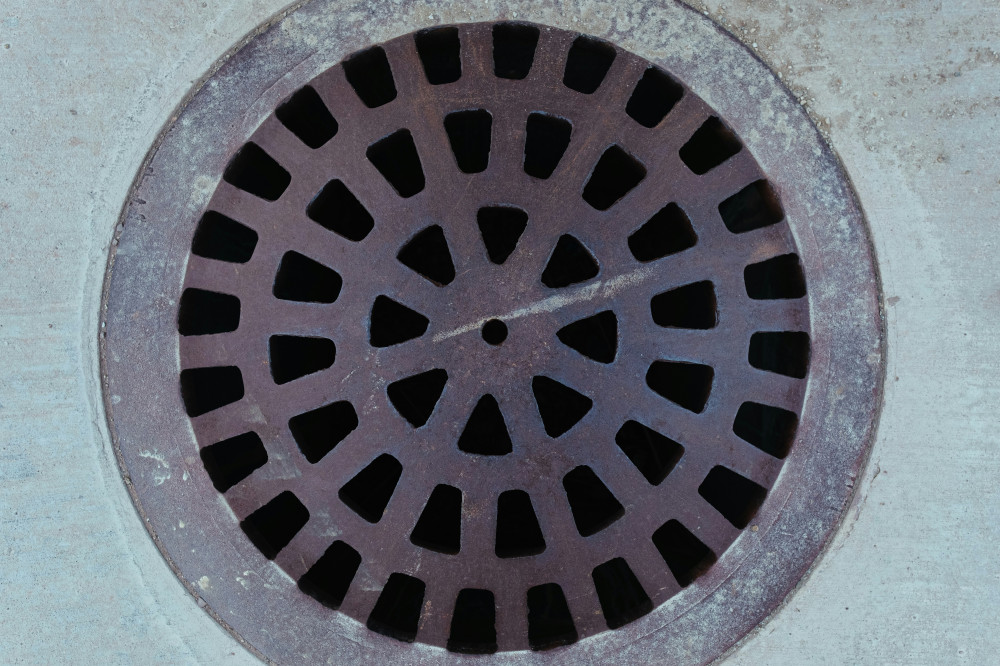
- Outdoors: Move any objects, plants, or patio furniture that might block access to cleanouts, sewer caps, or drain lines. If the cleanout cap is buried under soil or mulch, uncover it so the technician can reach it easily.
- Indoors: If the work will take place in a basement, utility room, or bathroom, clear the area around floor drains and exposed pipes. Remove rugs, cleaning supplies, and other items that could get in the way.
The easier it is to reach the access points, the faster and more effectively the job can be completed.
Know Your Drains and Cleanouts
It’s helpful to have an idea of where your main sewer line runs and where the cleanouts are located. Many homeowners have a plumbing diagram from when the house was built or from previous repairs—find it if you can.
If you don’t have one, your local building department or utility company may be able to provide a copy. Having this information ready helps the technician locate the problem area and determine the best place to start cleaning.
Avoid Using the Drains Before the Appointment
Once you’ve scheduled your drain cleaning, try not to use your drains right before the technician arrives. Water, soap, and debris in the pipes can make the job more difficult and reduce the effectiveness of the cleaning.
Avoid running the dishwasher, taking long showers, or flushing large amounts of water down the drains on the day of the appointment. Keeping the system as dry as possible helps the technician identify and remove the blockage more easily.
Expect Some Noise and Water
Professional drain cleaning often involves high-pressure water jetting or mechanical equipment, which can be a bit noisy. There may also be some splashing or minor water spills around the work area, especially if the cleaning is done indoors.
Cover nearby surfaces with plastic or towels if needed, and keep children and pets away from the area while the work is being done.
Læs også:
After the Cleaning – How to Maintain Your Drains
Once your drains have been cleaned, it’s a great time to think about prevention. Ask the technician for an assessment of your pipes’ condition—there may be early signs of corrosion, root intrusion, or grease buildup that you should monitor.
You can do a lot to prevent future problems:
- Avoid pouring grease, oil, or food scraps down the sink.
- Only flush toilet paper—never wipes, cotton swabs, or hygiene products.
- Run hot water through your drains regularly to help prevent buildup.
- Consider scheduling an annual inspection if you live in an older home or have had recurring issues.
A Small Effort with a Big Impact
Preparing your sewer for professional drain cleaning doesn’t take much time, but it can make a big difference in the results. With clear access, dry surroundings, and a basic understanding of your system, the technician can work more efficiently—and you’ll get a cleaner, longer-lasting result.
A well-executed drain cleaning isn’t just a quick fix for a clog; it’s an investment in a healthy, reliable plumbing system that will serve your home for years to come.
Læs også: