Follow the Law and Avoid Insurance Issues with Sewer Work

Follow the Law and Avoid Insurance Issues with Sewer Work
When your home’s sewer line needs repair, replacement, or connection, it’s not just a matter of plumbing skill—it’s also about following the law and protecting your insurance coverage. Many homeowners are surprised to learn that unpermitted or improperly performed sewer work can lead to serious financial consequences if damage occurs later. Here’s what you need to know to stay compliant and avoid insurance headaches.
Only Licensed Professionals Should Handle Sewer Work
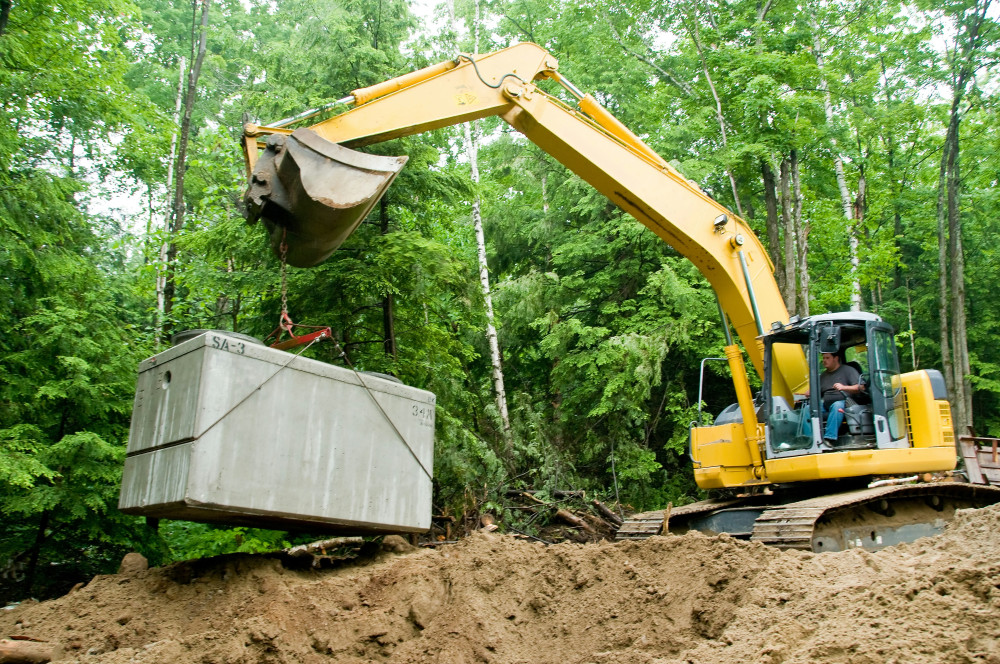
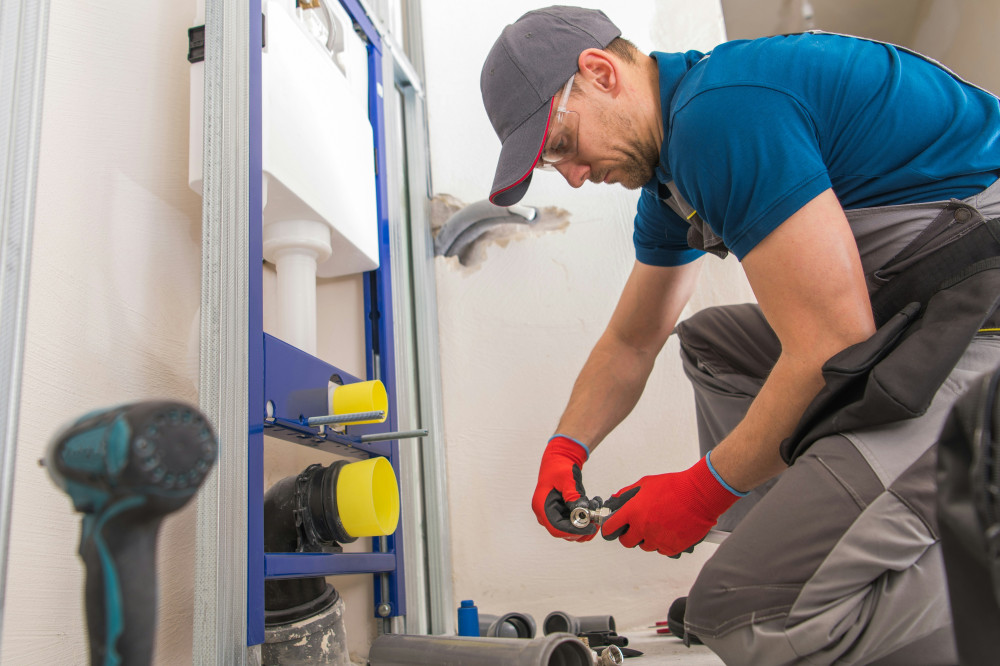
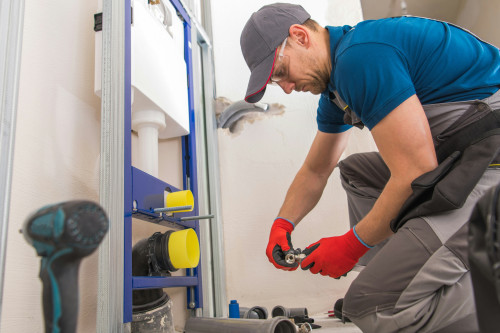
In the United States, sewer work is regulated at the state and local levels, and most jurisdictions require that it be performed by a licensed plumber or contractor. This includes any work involving underground sewer lines, connections to the municipal system, or septic system installations. Licensing ensures that the contractor meets safety, environmental, and building code standards.
Homeowners can usually handle minor maintenance tasks—like clearing a clogged drain or replacing a sink trap—but once the work involves underground pipes or connections to public utilities, a licensed professional must take over. It’s not just about quality—it’s a legal requirement in most areas.
Læs også:
Insurance Covers Only Legal and Permitted Work
If a sewer line fails or causes property damage, your homeowner’s insurance company will investigate whether the work was done properly and with the required permits. If it wasn’t, the insurer may deny or reduce your claim.
For example, if a homeowner replaces a section of sewer pipe without a permit and it later leaks, causing water damage or contamination, the insurance company can refuse coverage. The same applies if a contractor without the proper license performed the work. Always make sure your contractor is licensed, insured, and obtains the necessary permits before starting the job.
Keep Records and Final Approvals
When a licensed contractor completes sewer work, it must typically be inspected and approved by the local building department. This inspection confirms that the work meets code and is safe for use.
As a homeowner, you should always keep:
- The contractor’s license and insurance information
- Copies of permits and inspection reports
- Invoices and detailed descriptions of the work performed
- Photos or diagrams of the installation
These documents are essential if you ever sell your home or need to file an insurance claim. They prove that the work was done legally and to code.
Common Mistakes That Can Be Costly
Even small errors in sewer work can lead to major problems. Some of the most common issues include:
- Improper slope of pipes – can cause backups and blockages.
- Incorrect connection to the municipal system – may result in contamination or fines.
- Failure to install backflow prevention devices – increases the risk of sewage backing up into the home.
- Unpermitted septic or sewer modifications – can lead to enforcement actions and expensive corrections.
A licensed professional understands local codes and ensures the job is done right the first time—saving you time, money, and stress.
Maintain Your Sewer System
Even properly installed sewer systems need regular maintenance. Tree roots, shifting soil, or aging pipes can cause leaks or blockages over time. It’s a good idea to schedule a sewer inspection every 5–10 years, especially for older homes.
A video inspection can identify early signs of damage before they turn into costly repairs. It also provides documentation that your system is in good condition—something that can be valuable when selling your home or renewing insurance.
How to Avoid Insurance Problems
To stay protected, follow these simple steps:
- Hire only licensed and insured contractors for any sewer work.
- Make sure all required permits are obtained before work begins.
- Keep all documentation, including permits, invoices, and inspection reports.
- Schedule regular inspections and maintenance.
- Contact your insurance company if you’re unsure about coverage requirements.
By following these steps, you’ll be in a strong position if problems arise—both with local authorities and your insurance provider.
Legal Work Brings Peace of Mind
Your sewer system may be out of sight, but it’s one of the most important parts of your home’s infrastructure. Ensuring that all work is done legally, safely, and with proper documentation protects your property and guarantees that your insurance will be there when you need it. It’s an investment in both peace of mind and long-term home value.
Læs også: