Avoid Overloading the Sewer System – and Unnecessary Backflow Valve Closures

Avoid Overloading the Sewer System – and Unnecessary Backflow Valve Closures
When heavy rain hits, local sewer systems can quickly become overwhelmed. That can lead to basement flooding, sewage backups, and unnecessary backflow valve closures—problems that are both stressful and costly to fix. The good news is that with a few mindful habits, homeowners can help ease the strain on the system and protect their property from water damage. Here’s what you need to know and what you can do to help.
Why Sewer Systems Get Overloaded
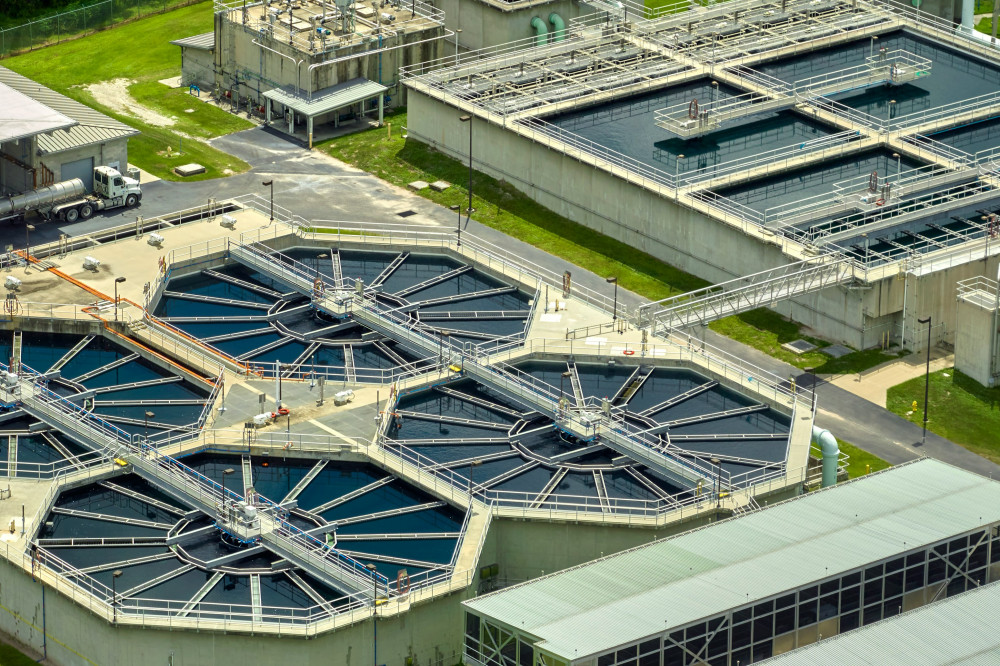
Municipal sewer systems are designed to handle both wastewater from homes and stormwater from roofs, driveways, and streets. But when intense rain falls in a short period—something that’s becoming more common with changing weather patterns—the pipes can’t always keep up. When that happens, water can back up through the system and push toward your home’s drains.
A backflow prevention valve is meant to stop sewage from flowing into your basement, but if it closes frequently, it may be a sign that the system is overloaded. Frequent closures can wear out the valve and increase the risk of malfunction or blockage.
Everyday Habits That Make a Big Difference
Many sewer problems start with what we put down our drains. Every time something inappropriate goes into the system, it increases the risk of clogs and reduces capacity.
- Never pour grease down the sink. Cooking oil, bacon fat, and other greases solidify as they cool, sticking to pipe walls and causing blockages. Instead, wipe pans with a paper towel and throw it in the trash.
- Don’t flush wipes, cotton swabs, or hygiene products. Even items labeled “flushable” often don’t break down like toilet paper and can cause serious clogs.
- Use cleaning products sparingly. Too much soap or detergent can create buildup and foam that slow drainage.
These small changes can have a big impact—both for your home’s plumbing and for the community’s sewer system.
Læs også:
Manage Stormwater on Your Property
One of the most effective ways to reduce pressure on the sewer system is to manage rainwater where it falls. This approach, often called “green infrastructure” or “on-site stormwater management,” can be implemented in many residential yards.
- Rain gardens collect runoff from roofs and driveways, allowing it to soak naturally into the ground.
- Dry wells or infiltration trenches temporarily store water underground until it seeps away.
- Permeable surfaces such as gravel, pavers, or porous concrete let water pass through instead of running off.
- Rain barrels capture roof runoff for later use in watering gardens or lawns.
Before making changes to your drainage system, check local regulations and, if needed, consult a licensed plumber or contractor familiar with stormwater management.
Maintain Your Backflow Valve
A backflow prevention valve is an important safeguard, but it needs regular maintenance to work properly. Many homeowners only discover a problem when it’s too late.
- Inspect and clean the valve at least once a year—or more often if you live in an area prone to heavy rain.
- Make sure the flaps and seals move freely and are watertight.
- Watch for slow drains or foul odors, which can signal a developing blockage.
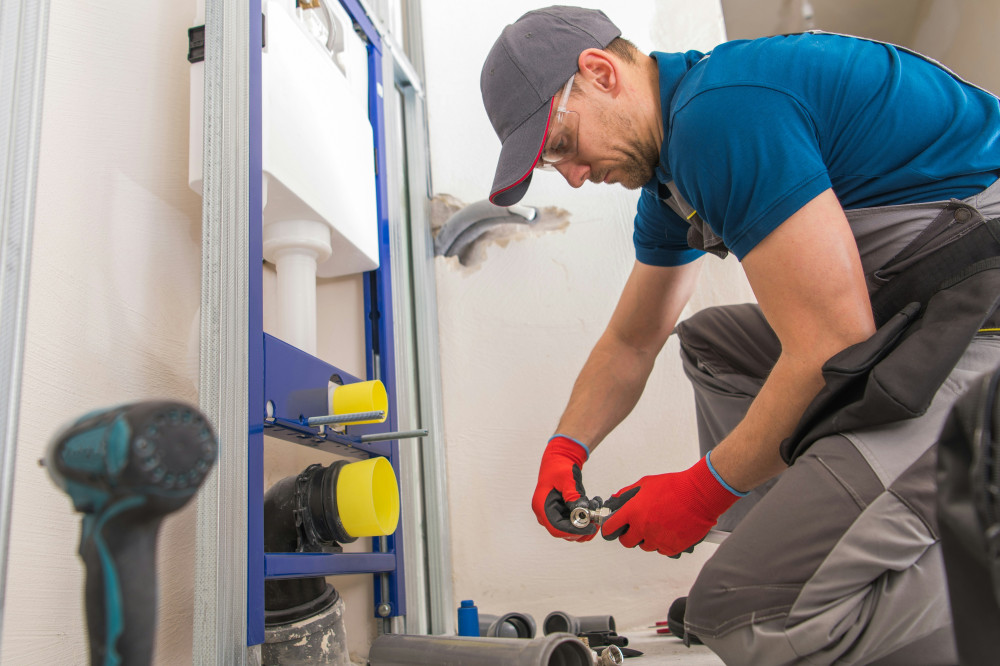
If you’re unsure how to service the valve, a qualified plumber can perform maintenance and confirm that your system is functioning as it should.
Focus on Prevention, Not Just Repair
Preventing water damage is far easier and cheaper than cleaning up after a flood. A professional inspection of your plumbing and drainage system can identify weak points before they become major issues. Consider scheduling a backflow prevention check to ensure your home is properly protected against sewer backups.
Also, take a look at your yard’s grading. The ground should slope away from your home so that rainwater flows away from basement windows and foundation walls. Even small adjustments to landscaping can make a big difference.
A Shared Responsibility
While the sewer system is a public utility, protecting it starts at home. When each of us takes small steps—avoiding drain misuse, managing stormwater locally, and maintaining our plumbing—we help prevent overloads and reduce the risk of damage for everyone.
It’s not just about keeping your own basement dry. It’s about contributing to a stronger, more resilient sewer system that can handle the challenges of the future.
Læs også: