How Homeowners Can Help Improve Wastewater Quality

How Homeowners Can Help Improve Wastewater Quality
When you flush the toilet, run the dishwasher, or take a shower, you probably don’t think much about what happens to the water afterward. Yet as a homeowner, you play an important role in the quality of the wastewater that leaves your home—and ultimately in protecting rivers, lakes, and coastal waters. Small changes in your daily habits can make a big difference in how clean and easy-to-treat that water is. Here’s how you can help improve wastewater quality right from your own home.
What Is Wastewater—and Why Does Its Quality Matter?
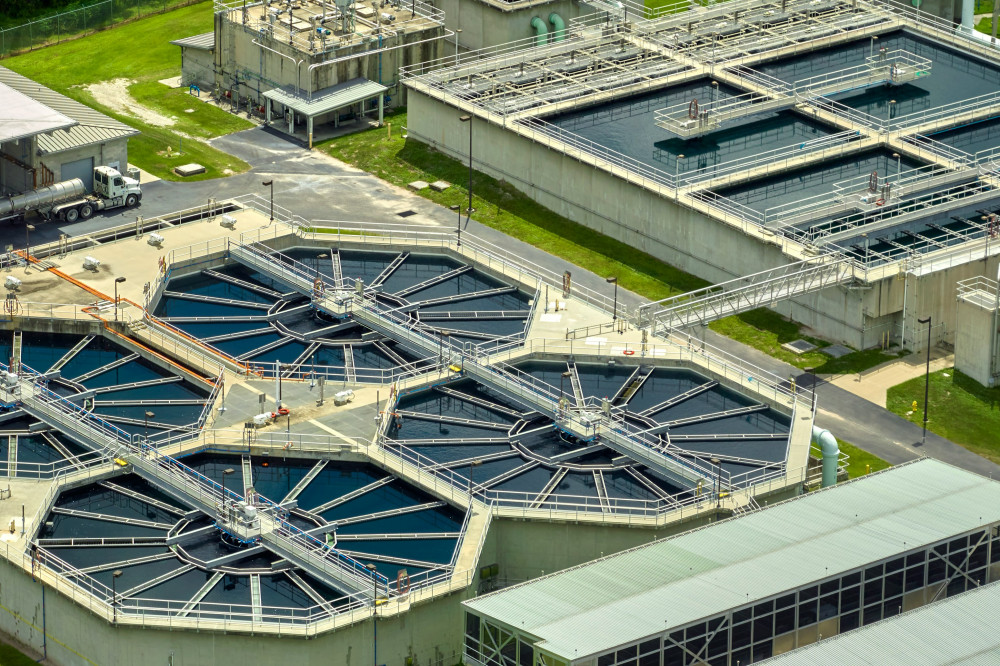
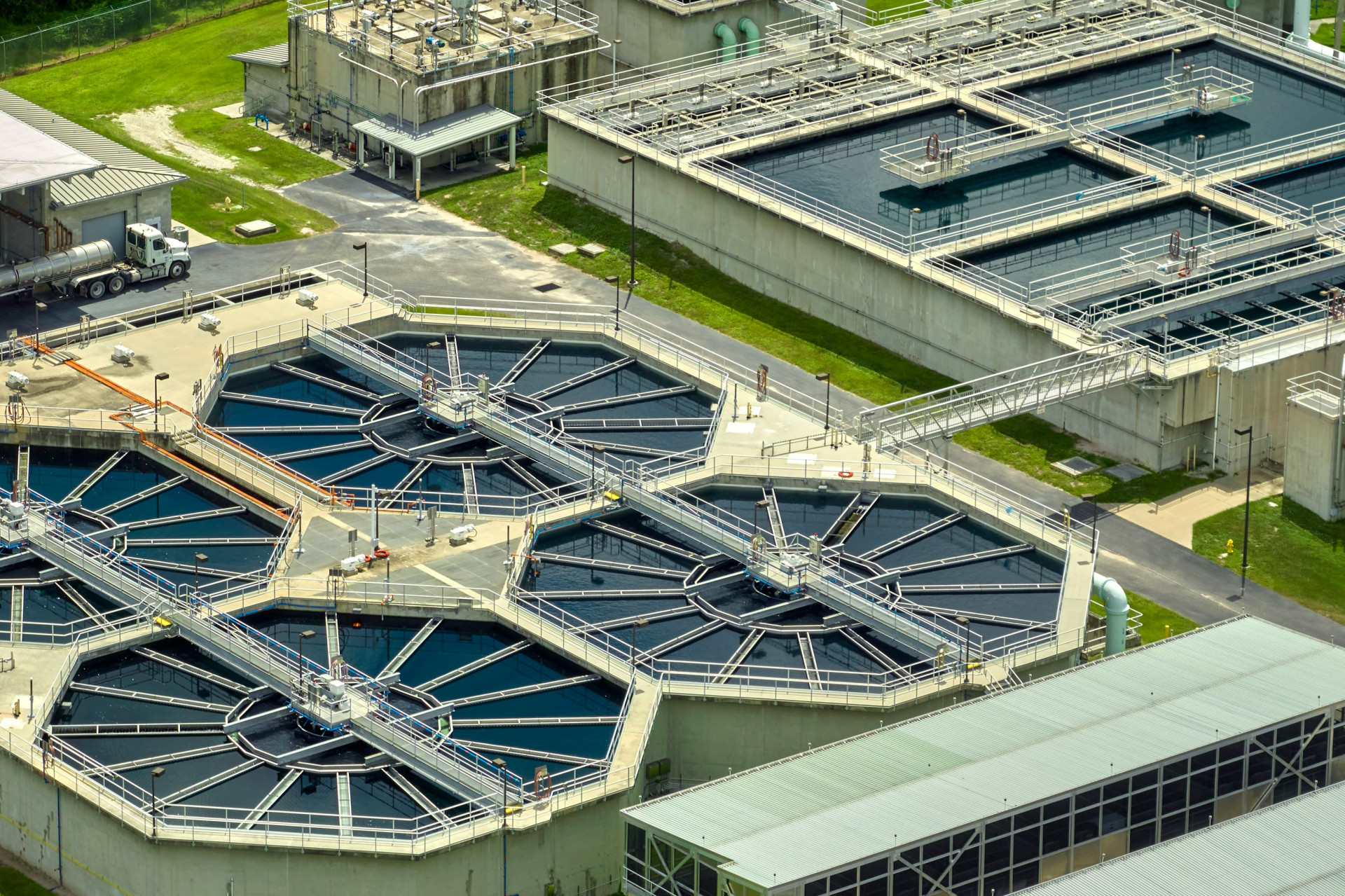
Wastewater is any water that flows down your drains after use—from toilets, sinks, showers, and washing machines. It carries soap, grease, food particles, chemicals, and microorganisms. Before it’s released back into the environment, it’s treated at a wastewater treatment plant. The cleaner the water is when it arrives, the easier and less costly it is to treat.
By keeping harmful substances out of your drains, you help protect the environment, prevent plumbing problems, and reduce the energy and chemicals needed for treatment.
Keep Grease and Food Waste Out of the Sink
One of the biggest challenges for sewer systems is grease and oil from cooking. When poured down the drain, they solidify and can clog pipes—both in your home and in public sewers. These blockages can cause backups, overflows, and expensive repairs.
- Wipe pans and dishes with a paper towel before washing.
- Pour used cooking oil or grease into a sealed container and dispose of it with household hazardous waste or at a local recycling center.
- Use a sink strainer to catch food scraps and throw them in the trash or compost bin.
Læs også:
Be Careful with Chemicals and Cleaning Products
Many cleaning agents, paints, and solvents contain chemicals that are harmful to aquatic life and difficult to remove during treatment. Even small amounts can cause problems once they reach rivers or lakes.
- Choose eco-labeled or biodegradable cleaning products.
- Never pour leftover paint, bleach, or drain cleaner down the sink or toilet—take them to a household hazardous waste collection site.
- Use only the recommended amount of cleaning product—more soap doesn’t mean cleaner surfaces.
Don’t Flush Medications
Flushing old pills or liquid medicine down the toilet is a common mistake. Wastewater treatment plants can’t remove all pharmaceutical residues, and these substances can harm fish and other wildlife.
Always return unused or expired medications to a pharmacy or a local drug take-back program. This includes prescription drugs, over-the-counter medicines, and supplements.
Use Appliances Wisely
Modern dishwashers and washing machines are more efficient than ever, but how you use them still affects wastewater quality. Detergents can contain phosphates and surfactants that contribute to water pollution if overused.
- Measure detergent according to load size and water hardness.
- Choose phosphate-free and environmentally friendly detergents.
- Run only full loads to save water and energy.
- Skip fabric softeners, which often contain fragrances and microplastics.
Reduce Microplastic Pollution
Tiny plastic particles from synthetic fabrics, personal care products, and cleaning agents are an emerging environmental issue. They often pass through treatment plants and end up in oceans and waterways.
- Wash synthetic clothing less often and at lower temperatures.
- Use a washing bag or filter designed to capture microfibers.
- Avoid products with microbeads—check labels for ingredients like polyethylene or polypropylene.
Maintain Your Plumbing and Manage Stormwater
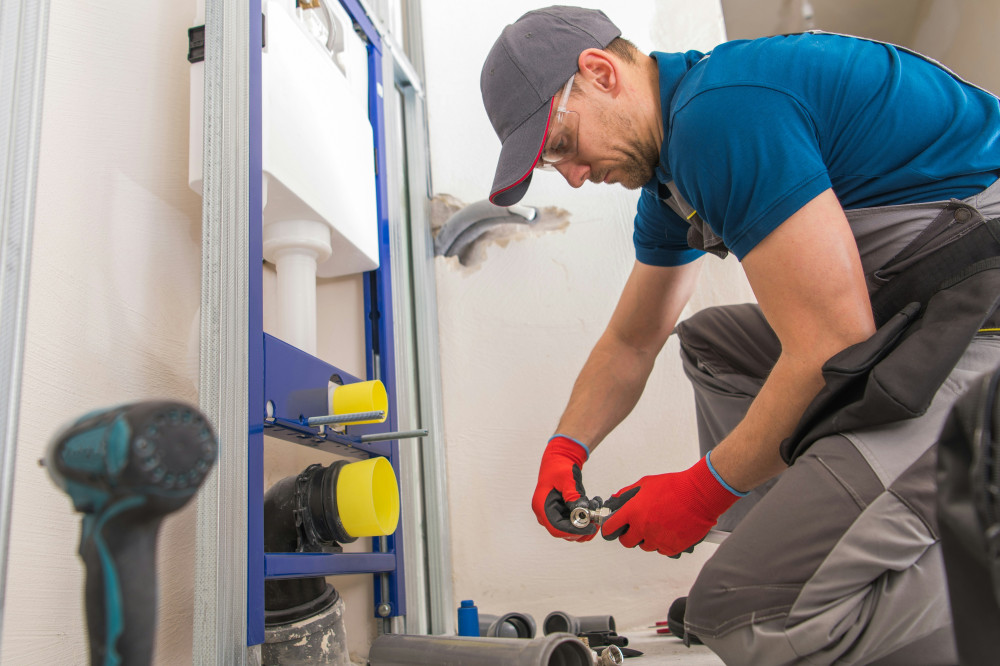
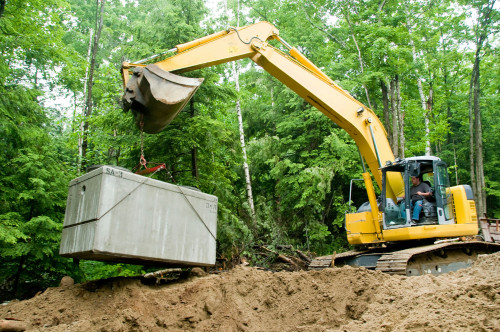
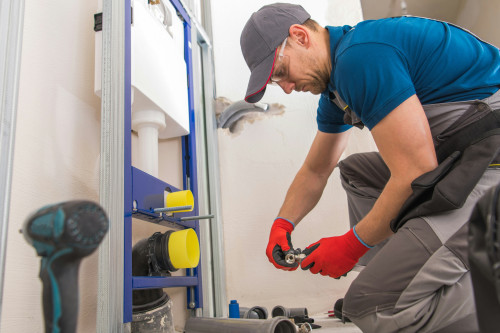
As a homeowner, you’re responsible for the pipes on your property. Leaky or damaged sewer lines can allow wastewater to seep into the ground, while stormwater entering the sewer system can cause overflows during heavy rain.
- Have your sewer lines inspected periodically by a licensed plumber.
- Consider separating stormwater from your sewer line or installing a rain garden or infiltration system to let rain soak into the ground.
- Keep gutters and drains clear so water can flow freely.
Small Habits, Big Impact
These may seem like small steps, but together they make a real difference. By choosing eco-friendly products, disposing of waste properly, and maintaining your plumbing, you help protect local waterways and make wastewater treatment more efficient.
Taking responsibility for what goes down your drains is part of being a mindful homeowner—and it starts with the choices you make every day.
Læs også: