Tradition Meets Technology – Modern Masonry in Practice for Facade Renovation

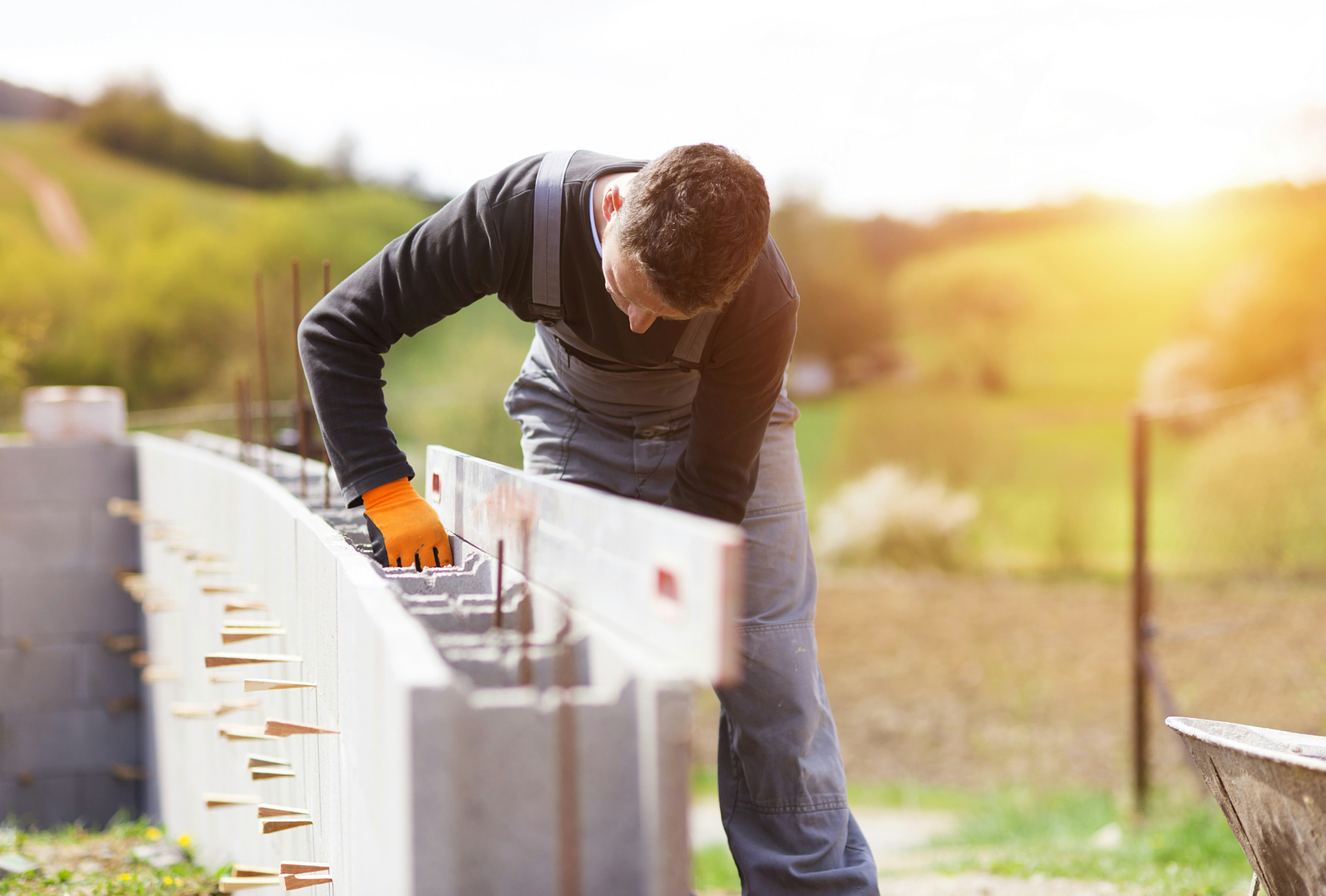
Tradition Meets Technology – Modern Masonry in Practice for Facade Renovation
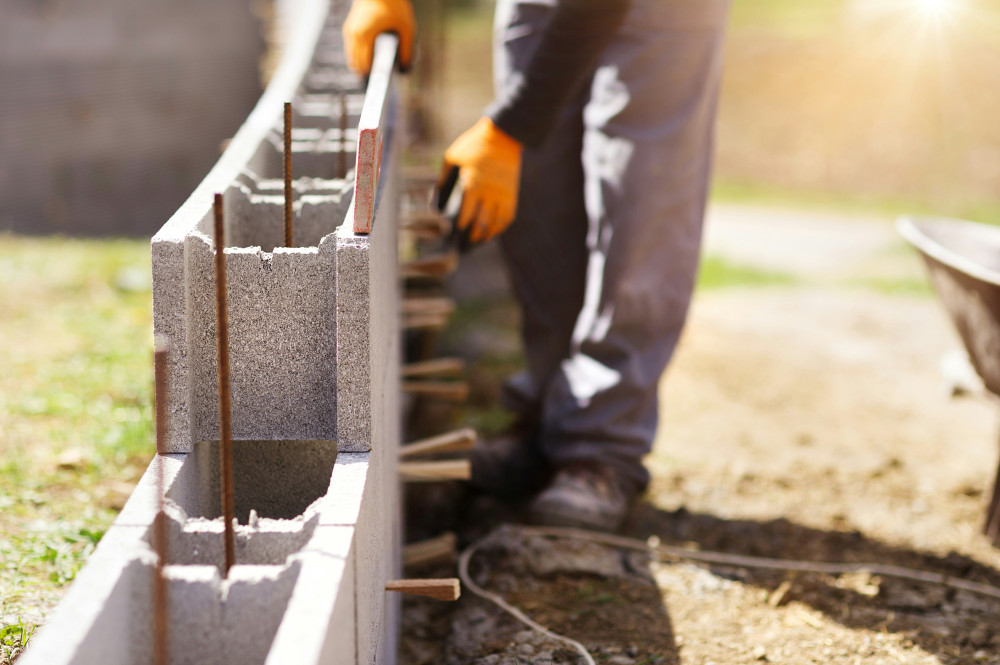
When a building’s facade is due for renovation, history and innovation meet on the surface of the brickwork. The craftsmanship that shaped American architecture for centuries now stands side by side with modern tools, materials, and methods that ensure durability, energy efficiency, and visual appeal. Today, facade renovation is not just about repair—it’s about preservation, improvement, and renewal all at once.
The Heritage of Craftsmanship – Why It Still Matters
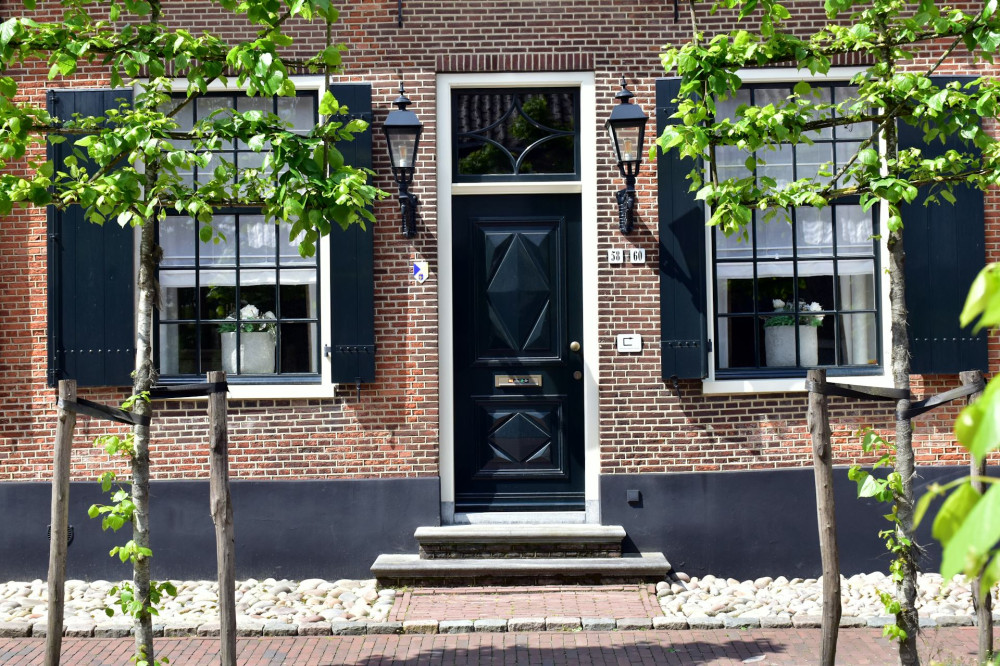
Masonry is deeply woven into the story of American building traditions. From the red brick townhouses of the Northeast to the limestone facades of the Midwest and the stuccoed walls of the Southwest, each region and era has its own character and technique. When restoring a facade, understanding the original materials and construction methods is essential.
Experienced masons know that modern solutions alone are not always enough. Lime-based mortars, hand-pressed bricks, and traditional jointing techniques may be necessary to maintain the building’s integrity and allow the walls to “breathe.” Respecting the existing structure while enhancing it with care is the foundation of quality restoration.
Technology’s Role in Modern Masonry
While tradition remains strong, technology has transformed the masonry trade. Today, digital tools are used to map damage, measure moisture, and plan renovation phases with precision. Drones can inspect tall facades safely, and 3D scanning provides detailed data on the condition of the masonry.
At the same time, advances in mortar formulations, insulation systems, and surface treatments make it possible to combine aesthetics with performance. Modern breathable coatings protect against moisture while allowing vapor diffusion, ensuring that historic walls remain healthy and energy-efficient. The result is a facade that retains its classic look while meeting contemporary standards of comfort and sustainability.
From Cleaning to Repointing – The Steps of a Modern Facade Renovation
Every successful renovation begins with a thorough assessment. The mason inspects for cracks, spalling, moisture damage, or deteriorated joints. The process typically follows several key steps:
- Cleaning – Old paint, dirt, or coatings are carefully removed to reveal the original masonry. Gentle methods such as low-pressure washing, steam cleaning, or micro-abrasive techniques are often used to protect the surface.
- Repairing Damage – Damaged bricks or stones are replaced, and cracks are filled with mortar that matches the original in color, texture, and strength.
- Repointing – The joints are renewed with precision. The right mortar composition and joint profile are crucial for both appearance and longevity.
- Surface Treatment – Finally, the facade may be finished with limewash, mineral paint, or a breathable sealant, depending on the building’s character and exposure.
Each step requires skill, patience, and an understanding of both old and new materials. Even with advanced tools, the mason’s craftsmanship remains at the heart of the process.
Læs også:
Energy Efficiency Without Compromise
More homeowners and property managers are combining facade renovation with energy upgrades. Modern solutions such as interior insulation, high-performance mortars, and ventilated cladding systems can significantly improve thermal performance. However, balance is key: excessive insulation or impermeable materials can trap moisture and damage older structures.
That’s why today’s masons often collaborate with energy consultants and building engineers to find solutions that respect the building’s architecture while improving its efficiency. This is where tradition truly meets technology—where the best of both worlds creates results that endure for generations.
Sustainability and Reuse in Masonry
Sustainability has become a cornerstone of modern masonry practice. Reusing bricks, recycling demolition waste, and choosing environmentally friendly mortars are now standard in many projects. Salvaged bricks can be cleaned and reused, and lime-based products make repair easier and more sustainable than replacement.
This approach not only benefits the environment but also preserves the building’s authentic character. The patina of age and the story embedded in each brick remain visible, turning facade renovation into a craft that honors the past while building for the future.
The Future of Masonry – Digital, Precise, and Human
Even as technology advances, masonry will always be rooted in human skill. It’s the mason’s hands, eyes, and experience that determine the quality of the work. Yet the future of the trade will increasingly rely on digital tools for planning, documentation, and quality control.
In this way, facade renovation today is not a clash between tradition and technology but a collaboration. The finest results come when we understand the history of the masonry and use modern innovations to give it new life—ensuring that our built heritage continues to stand strong, beautiful, and relevant for decades to come.
Læs også: