How to Match the Foundation’s Finish with the Rest of the House


How to Match the Foundation’s Finish with the Rest of the House
The foundation is the base of your home—both structurally and visually. It protects the building from moisture and shifting soil, but it also plays a key role in the home’s overall appearance. A foundation that clashes with the siding or exterior materials can make even a beautiful house look unfinished. On the other hand, a well-chosen finish can tie the entire design together. Here’s a guide to help you match your foundation’s finish with the rest of your home, whether you’re building new or updating an existing property.
Understand the Foundation’s Role and Appearance
The visible part of the foundation—often called the stem wall or exposed foundation—connects the ground to the home’s exterior walls. It must withstand moisture, dirt, and temperature changes while complementing the home’s architecture. That means your choice of finish should be both durable and visually cohesive.
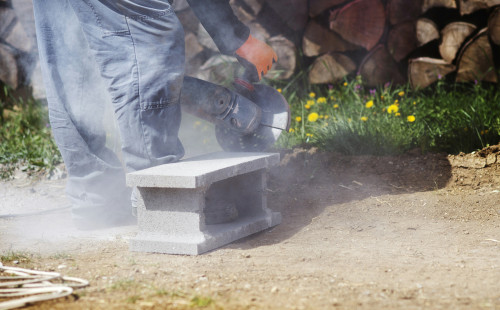
Foundations in the U.S. are typically made of poured concrete or concrete block. These materials are strong but not always attractive on their own. By applying the right finish, you can protect the surface and enhance curb appeal at the same time.
Læs også:



Choose the Right Type of Finish
There are several ways to finish a foundation, depending on your home’s style, the local climate, and your maintenance preferences.
- Stucco or cement render – A classic choice that works well with many architectural styles, from Craftsman to Mediterranean. Stucco can be smooth or textured and can be tinted to match or contrast with the siding.
- Painted concrete – A simple and affordable option for a quick refresh. Use a high-quality masonry or elastomeric paint designed for exterior use. A slightly darker shade than the siding often looks best and helps hide dirt.
- Stone veneer – Adds texture and a sense of permanence. Manufactured stone veneer is lighter and easier to install than natural stone, making it a popular choice for traditional and rustic homes.
- Exposed concrete – Ideal for modern or industrial-style homes. A clean, sealed concrete surface can look sleek and contemporary, but it requires precise finishing and regular sealing to prevent staining.
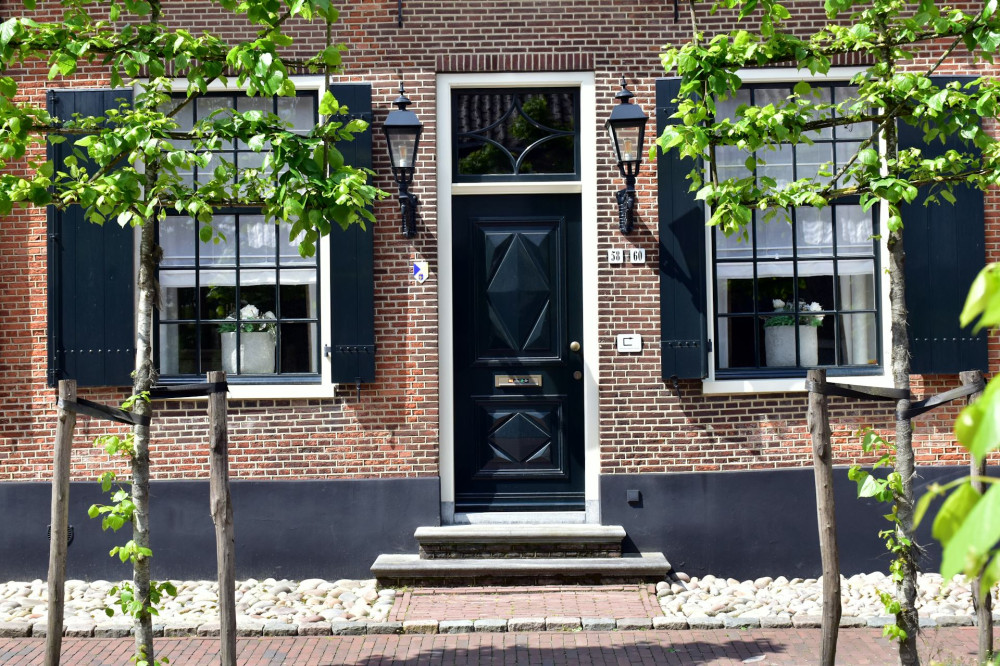
- Brick facing – Perfect for Colonial or traditional homes. A thin brick veneer can visually connect the foundation to brick accents elsewhere on the house.
Selecting the Right Color
Color plays a major role in how the foundation integrates with the rest of the home. A darker foundation color grounds the house and makes it appear more stable, while a lighter tone can make the structure feel taller and more open.
As a general rule, choose a foundation color that’s one or two shades darker than your siding. This creates a natural transition between the house and the landscape. However, for modern homes with light or monochromatic exteriors, matching the foundation color to the siding can create a clean, unified look.
Also consider your surroundings—driveways, walkways, and landscaping materials. A foundation color that complements these elements will make the entire property feel cohesive.
Match Materials to Your Home’s Style
Your home’s architectural style should guide your choice of foundation finish.
- Traditional or Colonial homes: Brick or stone veneer foundations look timeless and authentic.
- Craftsman and bungalow homes: Stucco or textured cement finishes in earthy tones blend beautifully with wood and shingle siding.
- Modern and contemporary homes: Smooth concrete or painted finishes in neutral grays or whites emphasize clean lines and simplicity.
- Farmhouse or cottage styles: Limewashed or lightly textured finishes in soft, natural hues create a warm, inviting look.
The goal is for the foundation to support the home’s design—not compete with it.
Maintenance Tips
Even the best-looking foundation finish needs care to stay in good condition. Inspect it regularly for cracks, peeling paint, or signs of moisture damage.
- Clean the surface annually with a mild detergent or masonry cleaner.
- Repair small cracks promptly with patching compound or mortar.
- Repaint or reseal every 5–10 years, depending on exposure and material type.
- Keep soil and mulch a few inches below the finished surface to prevent moisture buildup.
Proper maintenance not only keeps your foundation looking great but also protects the structure from long-term damage.
Make the Foundation Part of the Whole
When planning your home’s exterior, don’t treat the foundation as an afterthought. The right finish can create harmony between the house, the landscape, and the surrounding hardscape.
Think of the foundation as the visual anchor of your home—it should be strong, durable, and attractive. With thoughtful choices in materials, color, and texture, you can make your foundation an integral part of your home’s design, enhancing both its beauty and its longevity.
Læs også: