Store Natural Materials Safely and Organized


Store Natural Materials Safely and Organized
If you enjoy collecting natural materials—stones, pinecones, feathers, shells, or dried plants—you know how quickly they can pile up and create clutter. Many of these treasures also need special care to stay clean, dry, and beautiful over time. With a little planning, you can protect your finds and create a system that keeps everything easy to find for your next craft or décor project. Here’s how to store natural materials safely and in an organized way.
Start by Sorting and Cleaning Your Materials
Before you put anything away, take time to sort and clean your materials. Dirt, moisture, and insects can cause mold or unpleasant odors if left unchecked.
- Stones and shells can be washed in warm, soapy water and dried thoroughly.
- Pinecones and nuts can be baked at a low temperature (around 200°F for 30 minutes) to remove any hidden bugs.
- Feathers and dried plants should be air-dried and kept out of direct sunlight to preserve their color and shape.
Once everything is clean and dry, organize your materials by type, size, or color—whatever makes the most sense for your projects.
Choose the Right Containers
The best storage method depends on the type of material.
- Airtight glass jars or plastic bins are great for small items like stones, seeds, and shells. They keep out dust and moisture.
- Cardboard boxes or fabric bags work well for dried flowers and leaves, allowing air to circulate and prevent mold.
- Mason jars with lids can double as display pieces for your prettiest finds while keeping them protected.
Label each container clearly with the contents and the date you collected them. This helps you keep track of what you have and when it might need refreshing.
Læs også:



Create a System That Fits Your Space
Good organization isn’t just about looks—it’s about functionality. Think about how much space you have and how you use your materials.
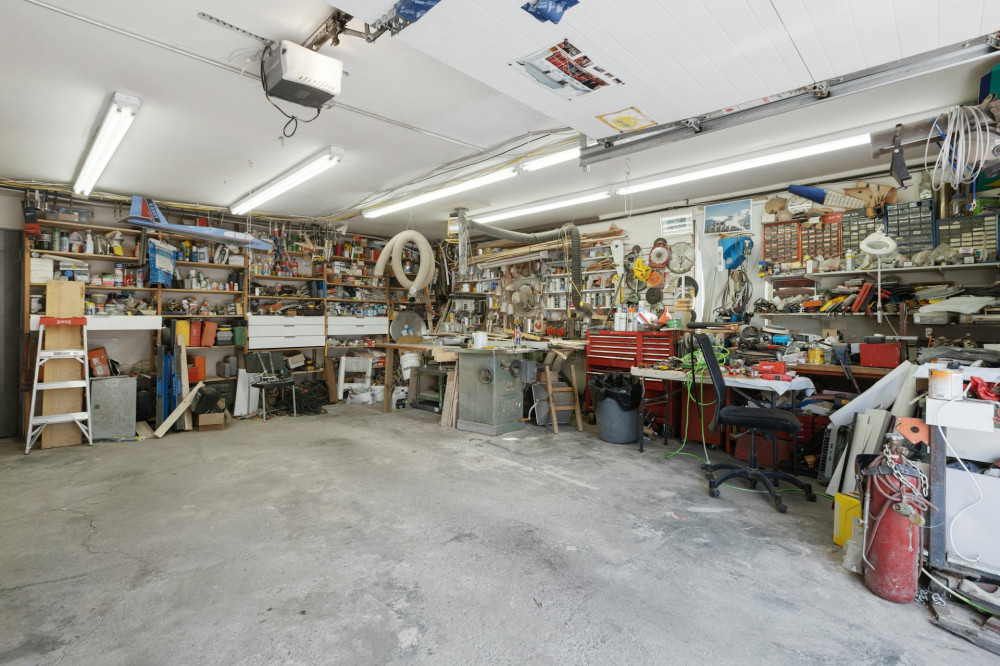
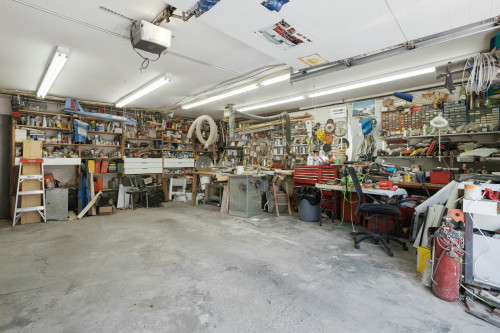
- If you have a workshop or craft room, use shelving with clear bins so you can see everything at a glance.
- In smaller homes or apartments, drawers, baskets, or wall shelves can be practical and space-saving.
- Use small divided boxes for tiny items like seeds, beads, or shells to keep them from mixing together.
A well-organized system saves time and makes your creative process smoother—you won’t have to dig through piles to find the perfect piece.
Keep Safety and Longevity in Mind
Some natural materials can attract pests or develop mold if stored improperly. To keep your collection safe:
- Make sure everything is completely dry before storing.
- Check regularly for signs of moisture, discoloration, or insects.
- Avoid direct sunlight and heat, which can fade colors and make materials brittle.
If you’re handling dusty or crumbly materials, wear gloves or a mask to protect yourself and keep your workspace clean.
Make Storage Part of Your Décor
Storage doesn’t have to be hidden away. Many natural materials are beautiful on their own and can add warmth and texture to your home.
- Display jars filled with stones, shells, or dried flowers on a shelf as part of your interior design.
- Use vintage wooden crates or woven baskets for both practical storage and rustic charm.
- Add small tags or labels noting where each item came from—it gives your collection a personal, story-filled touch.
This way, your collection becomes more than just supplies—it becomes part of your living space and creative inspiration.
An Organized Collection Brings Calm and Creativity
When your natural materials are stored safely and neatly, it’s easier to find what you need and stay inspired. You’ll spend less time searching and more time creating. Proper storage also helps your materials last longer and look their best. In the end, storing natural materials safely and organized is about finding balance between order and creativity—so nature’s treasures can continue to inspire you for years to come.
Læs også: