Organize the playroom so the kids can easily find their things

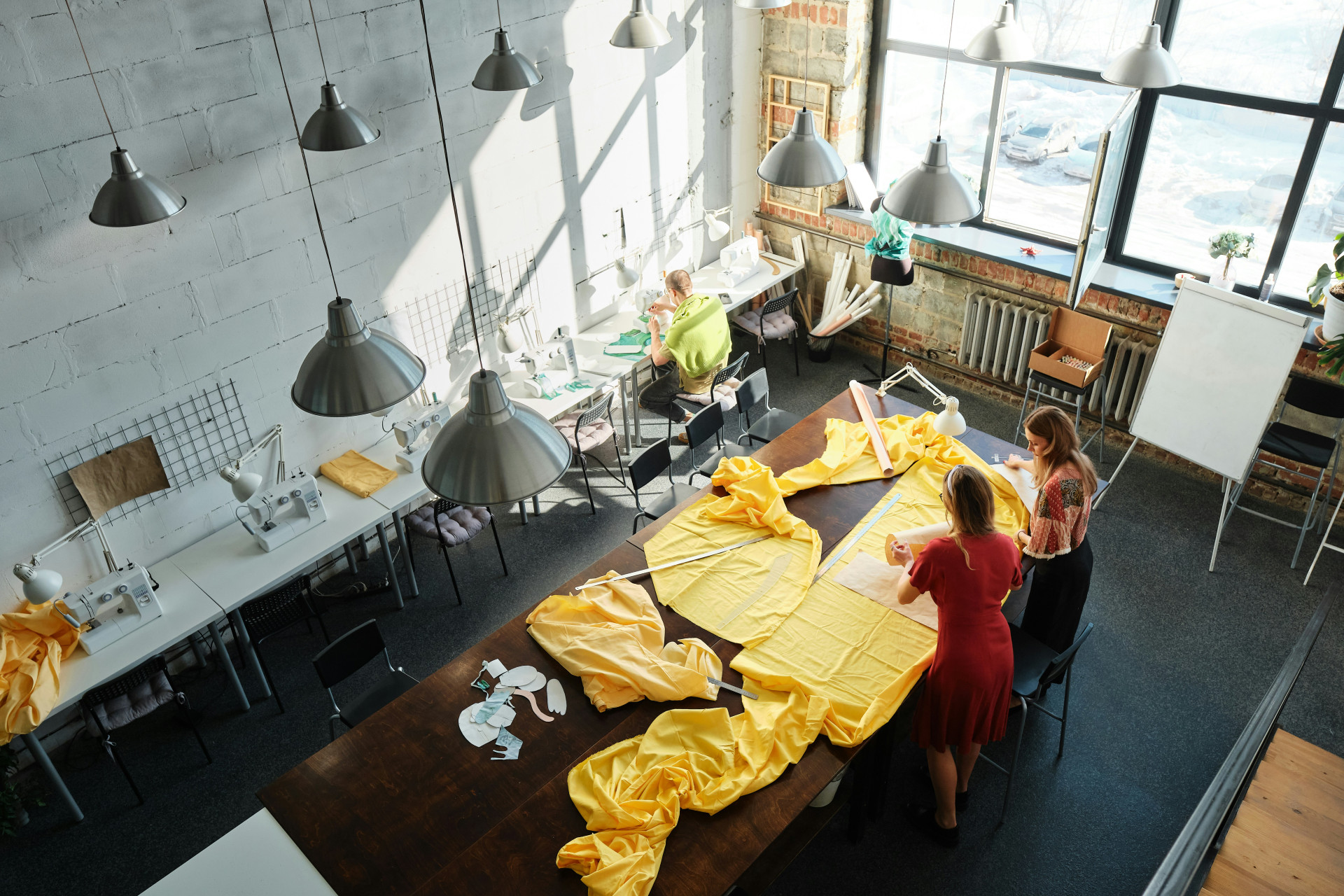
Organize the playroom so the kids can easily find their things
A playroom can be a wonderful space for creativity, imagination, and fun—but it can also quickly turn into a chaotic mess of toys, art supplies, and forgotten puzzles. With a little planning and smart organization, you can create a space where your kids can easily find what they need and learn to put things back when they’re done. Here’s how to design a playroom that’s both functional and inviting for the whole family.
Create zones for different activities
Start by dividing the playroom into zones based on the types of activities your kids enjoy. This helps them understand where things belong and makes cleanup much easier.
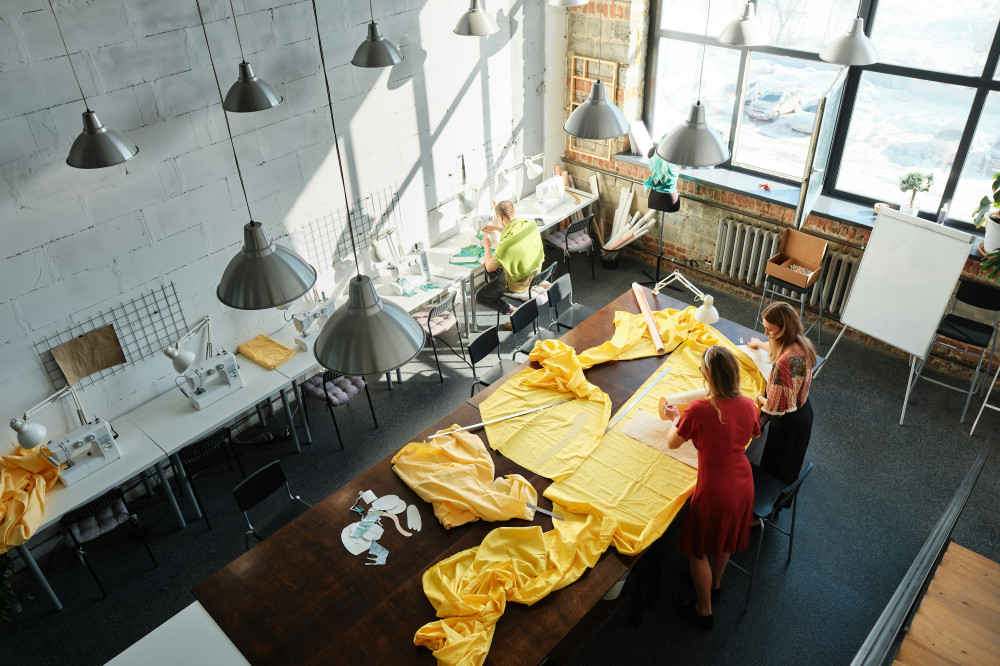
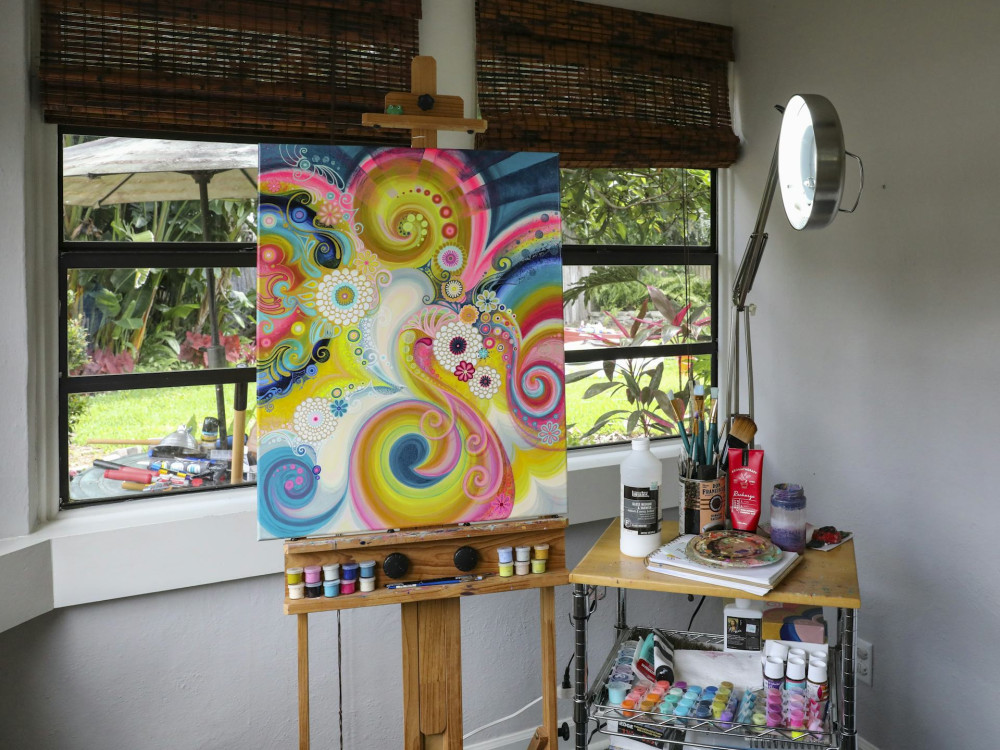
- Art zone – Set up a sturdy table with good lighting for drawing, painting, and crafting. Keep paper, crayons, and markers within easy reach, and use a washable table covering to protect the surface.
- Building zone – Dedicate an area for LEGO, blocks, or magnetic tiles. Low shelves or bins make it easy for kids to grab what they need and put it back afterward.
- Quiet zone – Include a cozy corner with books, puzzles, or soft toys. A small rug, beanbag chair, or floor cushions can make it extra inviting.
- Storage zone – Use this area for items that aren’t used every day, like board games, seasonal toys, or art supplies that need supervision.
By creating clear zones, you make it obvious where each activity happens—and where cleanup begins.
Use clear and labeled containers
Kids are more likely to find and return their toys when they can see what’s inside the bins. Clear plastic boxes, jars, or baskets are perfect for small items like craft supplies, toy cars, or building blocks. Label each container with words or pictures so even younger children can understand where things go.
Color-coding can also help: blue labels for art supplies, green for building toys, yellow for books and puzzles. It’s a simple system that keeps the room organized and makes tidying up more fun.
Think about height and accessibility
When setting up the playroom, consider your children’s height and reach. Items they use often should be stored low, while less frequently used materials can go on higher shelves. Open shelving, cubbies, or rolling carts are great options that let kids access their things independently.
If you have toddlers, keep a “parent shelf” up high for items that require supervision—like scissors, glue guns, or small pieces that could be choking hazards.
Make cleanup part of the fun
Cleaning up doesn’t have to be a chore. Turn it into a game by setting a timer and seeing how quickly everyone can get the room back in order. You can also make it a friendly competition—who can find the most missing puzzle pieces or sort the most blocks?
When kids see cleanup as part of playtime, they’re more likely to keep the space tidy on their own.
Læs også:


Add inspiration and personality
A playroom should be practical, but it should also spark creativity. Display your kids’ artwork on the walls, hang a corkboard for new ideas, or use a magnetic board to showcase ongoing projects. This not only makes the room feel personal but also encourages kids to take pride in their creations.
You can even keep an “idea box” where kids can drop notes about projects or games they’d like to try next. It’s a great way to keep their imagination flowing.
Plan for growth and change
Children’s interests evolve as they grow, so design the playroom to adapt over time. Choose modular storage, adjustable shelving, and furniture on wheels that can be rearranged easily. As your kids get older, the art table might become a homework station, and the toy bins might turn into storage for science kits or sports gear.
A flexible setup ensures the playroom stays useful and enjoyable for years to come.
A space for play, learning, and independence
A well-organized playroom is more than just a tidy space—it’s a place where kids can explore, learn, and develop independence. When they can find and put away their own things, they gain a sense of responsibility and confidence.
With a few thoughtful systems and a touch of creativity, you can create a playroom that’s cheerful, functional, and easy to maintain—a space where your kids can play freely, and you can enjoy the peace of knowing everything has its place.
Læs også: