Creativity and Structure in the Workshop – Finding the Balance

Creativity and Structure in the Workshop – Finding the Balance
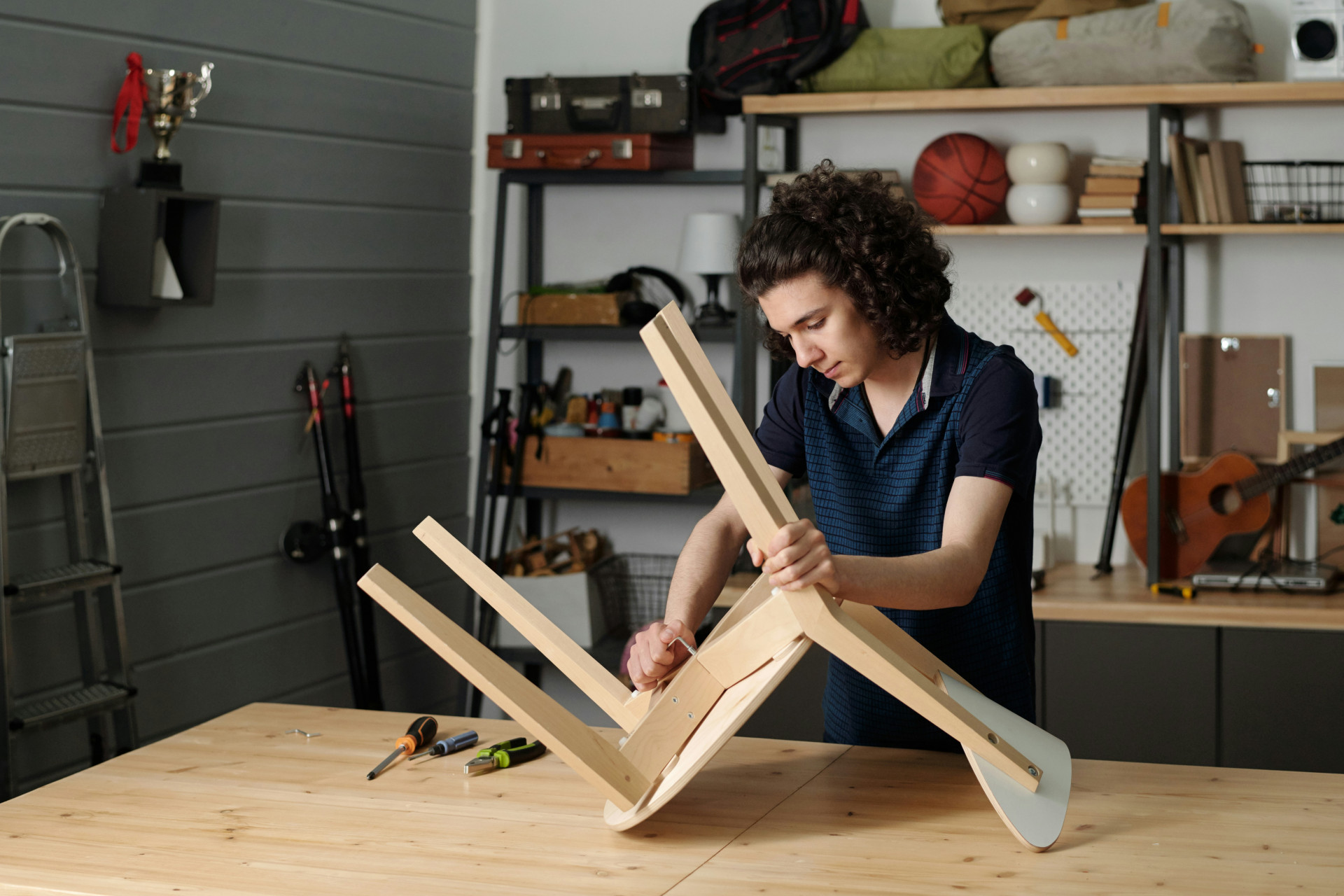
For many makers, a workshop is more than just a workspace – it’s a sanctuary where ideas take shape and hands bring imagination to life. But while creativity thrives on freedom, it also needs a bit of order to truly flourish. Too much clutter can stifle inspiration, while too much structure can smother spontaneity. The art lies in finding the balance between creativity and organization so your workshop feels both alive and functional.
Making Room for Both Chaos and Control
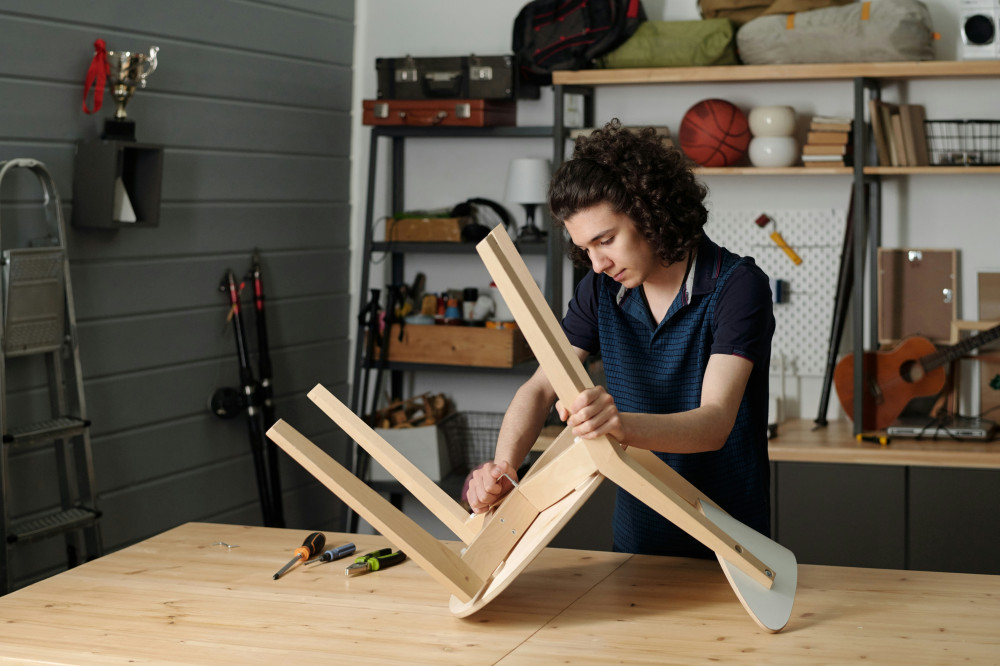
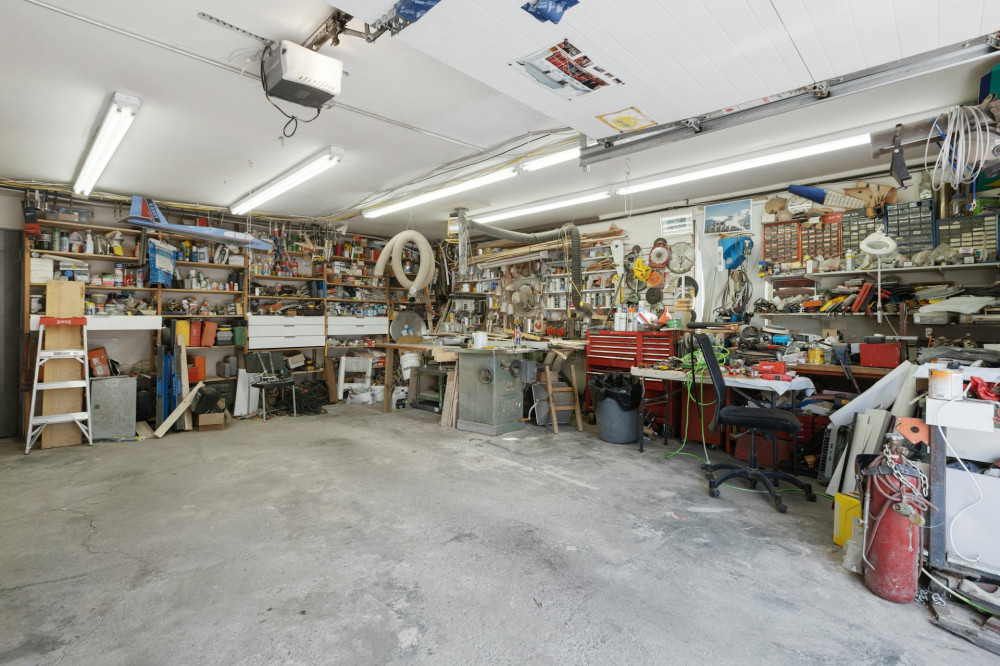
A good workshop rarely looks spotless. There should be signs of life – a half-finished project on the bench, a brush still wet with paint, a sketch waiting to be realized. But when tools and materials start piling up everywhere, it becomes hard to stay focused.
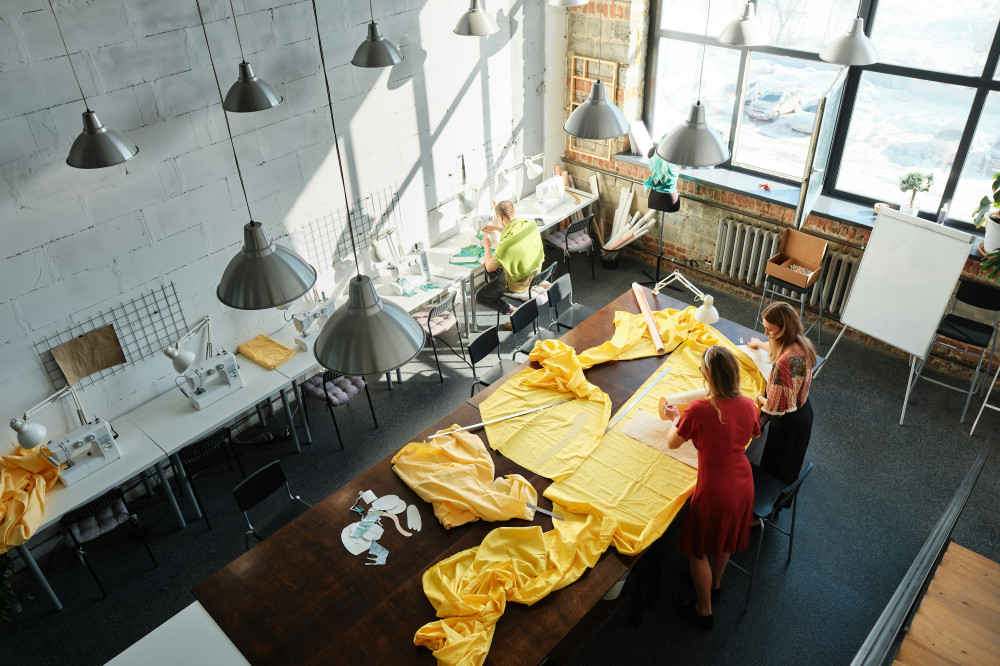
A simple rule of thumb is to divide your space into zones: one for storage, one for active work, and one for planning or brainstorming. This way, you can let creativity run wild in your work zone while keeping the rest of the space calm and organized.
Systems That Support, Not Restrict
Structure isn’t about strict rules – it’s about creating systems that make creativity easier. That might mean having designated spots for tools, labeled bins for materials, or a corkboard for sketches and ideas.
Think about which routines actually help you. Maybe you prefer to tidy up after every project, or maybe a weekly cleanup works better. The key is to build a system that fits your habits, not the other way around.
Inspiration Needs Breathing Room
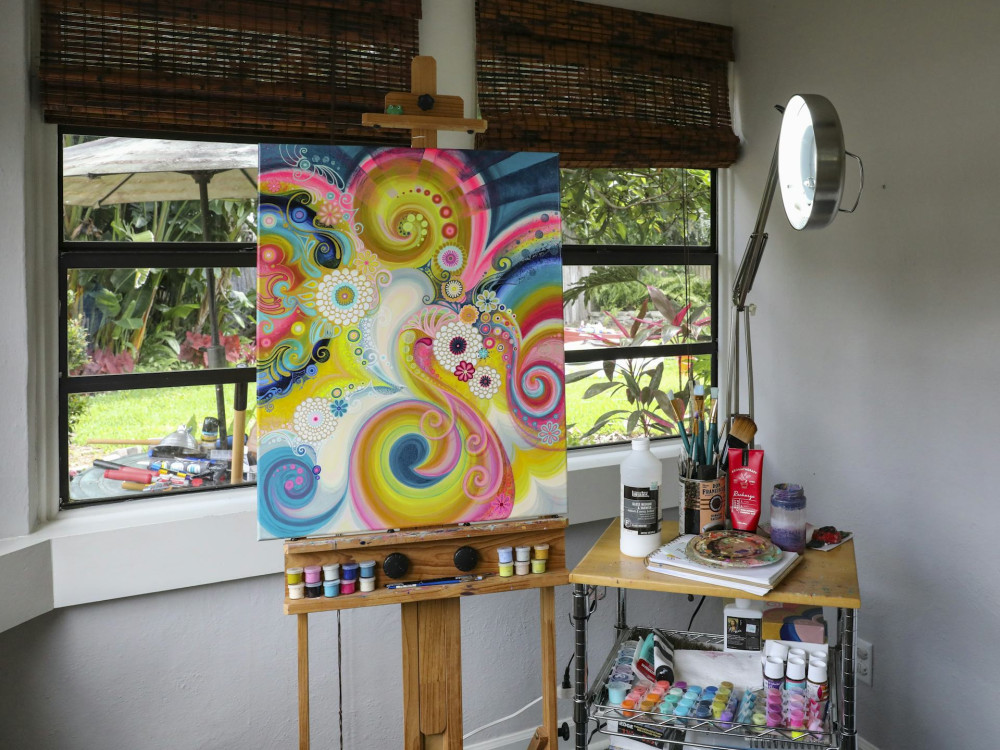
Creative ideas often appear in moments of quiet – when you step back and see your work with fresh eyes. A cluttered space can make it hard to find that mental calm. Consider setting up a small corner in your workshop where you can pause, sip a cup of coffee, flip through a design book, or just think.
Your inspiration corner doesn’t have to be elaborate. A few shelves with materials you love, or photos of projects that inspire you, can be enough to keep your motivation alive.
Leave Space for Experimentation
Even the most organized workshop needs room for the unexpected. Creativity is about taking risks and trying new things – even if it gets messy. Set aside an area where you can experiment freely without worrying about the outcome. Maybe it’s an old tabletop for testing finishes, or a bin of scrap materials for spontaneous ideas.
When you give yourself permission to play, you often stumble upon new techniques and concepts that feed into your more structured projects later on.
Læs også:


Structure as a Path to Flow
Many makers describe their best work happening in a state of “flow” – that feeling when time disappears and everything just clicks. To reach that state, you need to remove small obstacles that interrupt your rhythm. A clear workbench, sharp tools, and materials within easy reach can make the difference between frustration and focus.
Think of structure as a foundation for flow, not a limitation. When the practical side of your workspace runs smoothly, your mind is free to dive deep into the creative process.
A Living Balance
The balance between creativity and structure isn’t something you find once and keep forever. It shifts with your projects, your mood, and even the seasons. Some days call for order and planning; others invite freedom and experimentation. The key is to stay aware and adjust as you go.
Your workshop doesn’t need to look like a showroom – it should reflect you and the way you create. When you find your own rhythm between structure and spontaneity, your workshop becomes more than a place to work. It becomes a place where you truly thrive.
Læs også: