Soil Improvement – The Path to Healthy and Lush Plants

Soil Improvement – The Path to Healthy and Lush Plants
Healthy, nutrient-rich soil is the foundation of every thriving garden. Whether you’re growing vegetables, flowers, or shrubs, your plants’ success depends on what’s happening beneath the surface. Soil improvement is about creating the best possible conditions for roots—so they can absorb water, air, and nutrients efficiently. Here’s a guide to help you build better soil and give your plants the strong start they deserve.
Why Soil Improvement Matters
Many gardeners focus on watering and fertilizing but overlook the soil itself. Compacted, nutrient-poor, or poorly drained soil can stunt plant growth no matter how much fertilizer you add. Improving your soil means finding the right balance between structure, nutrients, and life.
Good soil:
- Holds moisture without becoming waterlogged
- Contains plenty of organic matter
- Supports a thriving community of earthworms, bacteria, and fungi
- Is easy to work with and allows roots to spread freely
When you invest in soil improvement, you’re investing in the long-term health of your garden—and you’ll soon notice the difference in your plants’ vigor and color.
Know Your Soil Type
Before you start improving your soil, it’s important to understand what kind of soil you have. Its composition determines the best way to enhance it.
- Clay soil is heavy and dense but rich in nutrients. It needs to be loosened and enriched with organic matter to improve aeration and drainage.
- Sandy soil is light and drains quickly but loses nutrients easily. Adding compost and topsoil helps it retain moisture and fertility.
- Loam soil is the ideal balance of sand and clay—but even loam benefits from regular additions of organic material.
You can test your soil by taking a handful of moist soil and squeezing it. If it forms a firm ball, it’s likely clay. If it crumbles apart, it’s sandy.
How to Improve Your Soil
There are many ways to build better soil, but the most effective methods focus on adding life and structure.
1. Add Compost
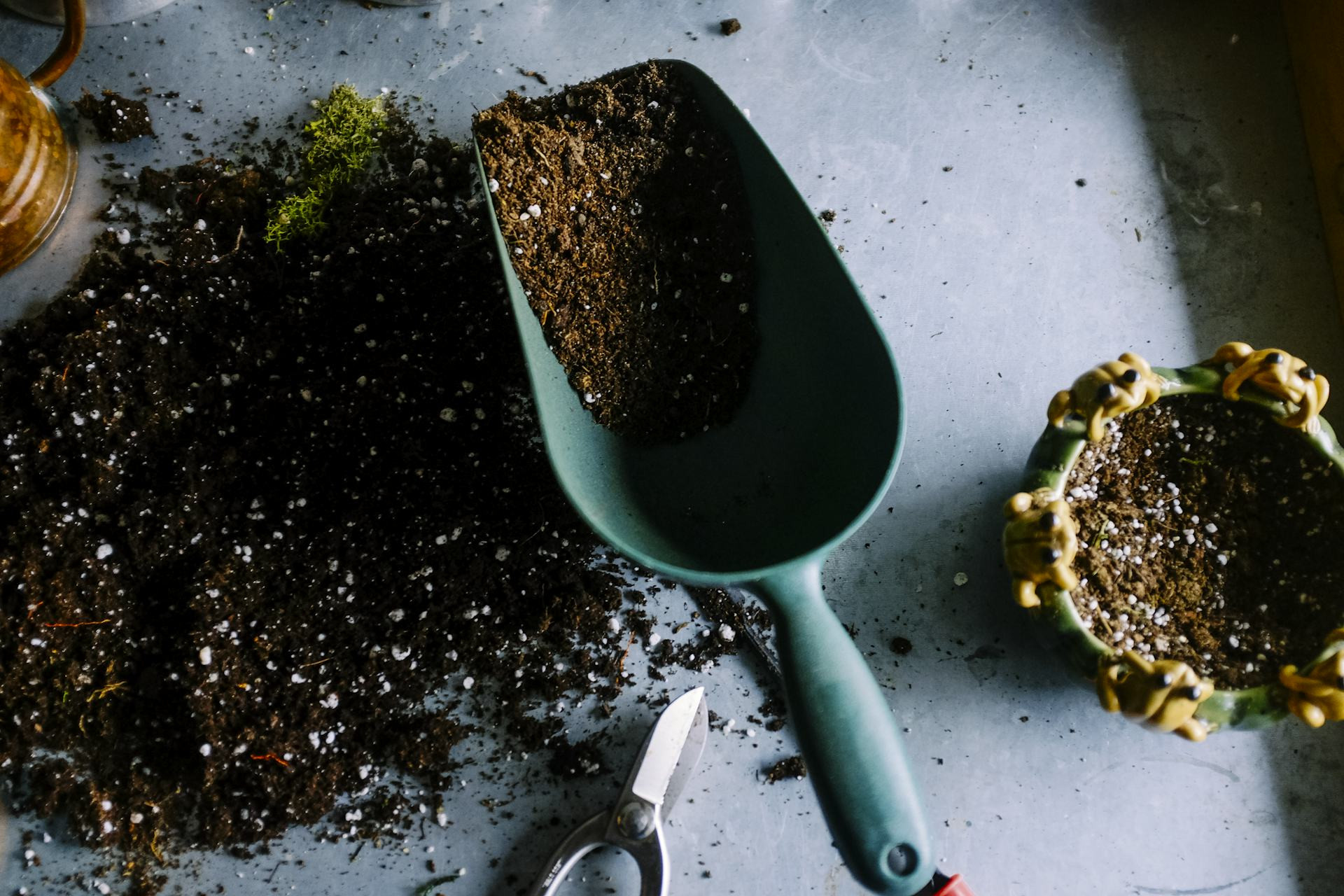
Compost is nature’s best soil conditioner. It adds nutrients, improves texture, and increases the soil’s ability to hold water. Spread a 1–2 inch layer of compost over your garden beds each spring or fall, and let earthworms and microbes do the rest.
2. Grow Cover Crops
Cover crops—such as clover, rye, or buckwheat—are grown to enrich the soil. They add organic matter, prevent erosion, and some even fix nitrogen from the air into the soil. When turned under, they become natural fertilizer.
3. Mulch with Organic Materials
A layer of leaves, straw, or wood chips helps protect the soil from drying out and washing away. As it breaks down, it adds valuable humus. Mulching is especially useful in vegetable gardens and around shrubs.
4. Avoid Soil Compaction
Walking on garden beds compresses the soil and reduces oxygen flow to roots. Create permanent paths or stepping stones to keep the planting areas light and airy.
5. Dig Less, but Smarter
Excessive digging can disrupt soil life. Instead of turning the soil completely, loosen it gently with a garden fork and leave the top layers intact. This preserves structure and supports beneficial organisms.
Læs også:



The Hidden Helpers Beneath the Surface
A living soil is a fertile soil. Earthworms, bacteria, and fungi play a vital role in breaking down organic matter and releasing nutrients. You can support this underground ecosystem by avoiding synthetic fertilizers and pesticides, which can harm beneficial organisms.
Active soil life improves structure, enhances water absorption, and helps protect plants from disease. It’s one of the strongest reasons to choose natural methods for soil improvement.
Soil Care Through the Seasons
Soil improvement is an ongoing process, not a one-time task.
- Spring: Add compost and gently loosen the soil before planting.
- Summer: Keep the soil covered with mulch to retain moisture.
- Fall: Incorporate cover crops or add fallen leaves and compost.
- Winter: Let the soil rest, but keep it covered to prevent erosion.
With small, consistent efforts, you can build a rich, living soil that supports strong, resilient plants year after year.
An Investment in Your Garden’s Future
Improving your soil takes patience, but the rewards are worth it. As your soil becomes more alive and nutrient-rich, your plants will grow stronger, bloom brighter, and withstand drought and heavy rain more easily.
Think of soil improvement as building a foundation—it may be invisible, but everything above it depends on its strength. With care and natural materials, you can create a garden that thrives for years to come.
Læs også: