Rain Gardens and Pathways – When Function and Aesthetics Go Hand in Hand


Rain Gardens and Pathways – When Function and Aesthetics Go Hand in Hand
When heavy rain turns your yard into a patchwork of puddles, it’s often a sign that the landscape isn’t absorbing water as it should. A rain garden can change that. Designed to capture and filter stormwater, it’s both a practical and beautiful addition to any property. When paired with thoughtfully designed pathways, rain gardens create a landscape where function and aesthetics truly go hand in hand—and where nature becomes an active part of the design.
What Is a Rain Garden?
A rain garden is a shallow, planted depression that collects runoff from roofs, driveways, or patios, allowing it to slowly soak into the ground instead of rushing into storm drains. This process helps reduce flooding, filter pollutants, and recharge groundwater.
Rain gardens are typically filled with native plants that can tolerate both wet and dry conditions. In the U.S., popular choices include blue flag iris, switchgrass, black-eyed Susan, and Joe-Pye weed. These species not only thrive in fluctuating moisture levels but also attract pollinators and add vibrant color and texture to the garden.
Where Function Meets Form
While rain gardens serve a clear environmental purpose, they don’t have to look utilitarian. With careful design, they can become a focal point of your yard. The shape can follow the natural contours of the land, and the plant palette can reflect your preferred style—whether you favor a wild, meadow-like look or a more structured, modern layout.
Placing a rain garden alongside a pathway is a particularly effective design choice. The path can gently slope toward the garden, guiding runoff into the planted area. This creates a seamless transition between hardscape and softscape, giving the landscape a cohesive, organic feel.
Læs også:



Pathways That Guide Both Water and People
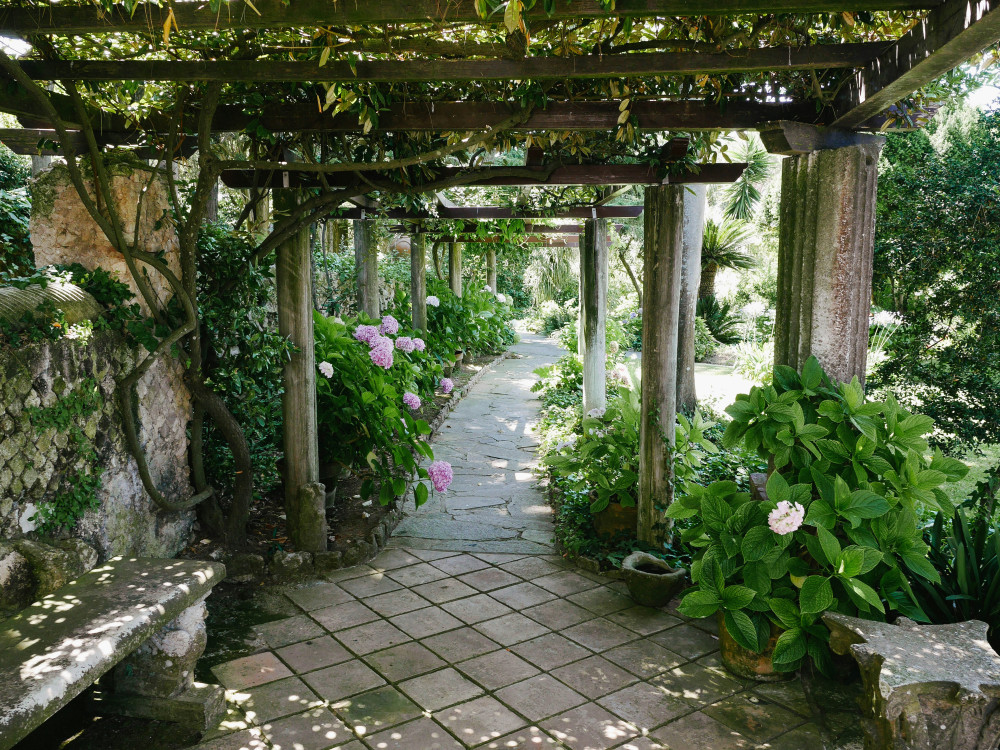
Pathways are the arteries of a garden—they connect spaces, direct movement, and invite exploration. When designed with water management in mind, they can also play a role in sustainability. Permeable materials such as gravel, permeable pavers, or decomposed granite allow rainwater to infiltrate the soil rather than run off the surface.
By integrating pathways and rain gardens, you can create a landscape that’s both functional and inviting. A slight grade in the path can direct water toward the garden, while small stone borders or shallow channels can help control the flow. The result is a natural rhythm—water moves gently through the space, and so do you.
Materials That Work in Harmony
Material selection is key to achieving both durability and beauty. Natural stone, brick, and wood blend effortlessly with the greenery of a rain garden, creating a balanced, timeless look. Concrete pavers can also work well if you choose a textured surface and a color that complements the surrounding plants.
The edges of the rain garden can be defined with river rocks, logs, or low-growing perennials. These borders help prevent soil erosion during heavy rain and provide a visual transition between the garden and the pathway.
Plants That Thrive in a Rain Garden
A successful rain garden depends on plants that can handle cycles of wet and dry. Here are a few reliable options for American climates:
- Blue flag iris (Iris versicolor) – graceful and moisture-loving, perfect for wetter zones.
- Switchgrass (Panicum virgatum) – a native grass that adds height and movement.
- Black-eyed Susan (Rudbeckia hirta) – bright, hardy, and pollinator-friendly.
- Joe-Pye weed (Eutrochium purpureum) – tall and dramatic, ideal for the back of the bed.
- Daylily (Hemerocallis spp.) – resilient and colorful through much of the summer.
Mixing species with different heights, textures, and bloom times ensures that your rain garden evolves beautifully through the seasons—from the fresh greens of spring to the warm tones of late summer.
A Landscape in Balance
Rain gardens and pathways embody the idea of balance—between nature and design, between practicality and beauty. They show that sustainable landscaping doesn’t have to sacrifice style; in fact, it can make your outdoor space more dynamic and engaging.
By designing your yard with water in mind, you’re not just creating a more attractive landscape—you’re contributing to a healthier environment. It’s an investment in resilience and beauty, where every rainfall becomes part of the garden’s natural rhythm.
Læs også: