Create Visual Harmony Between Home and Garden

Create Visual Harmony Between Home and Garden
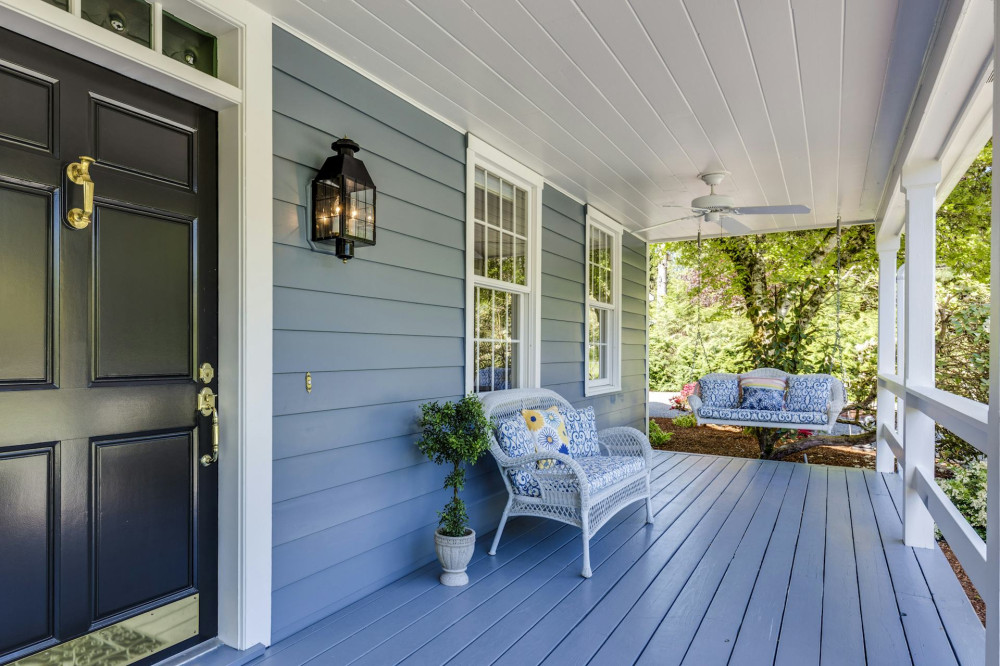
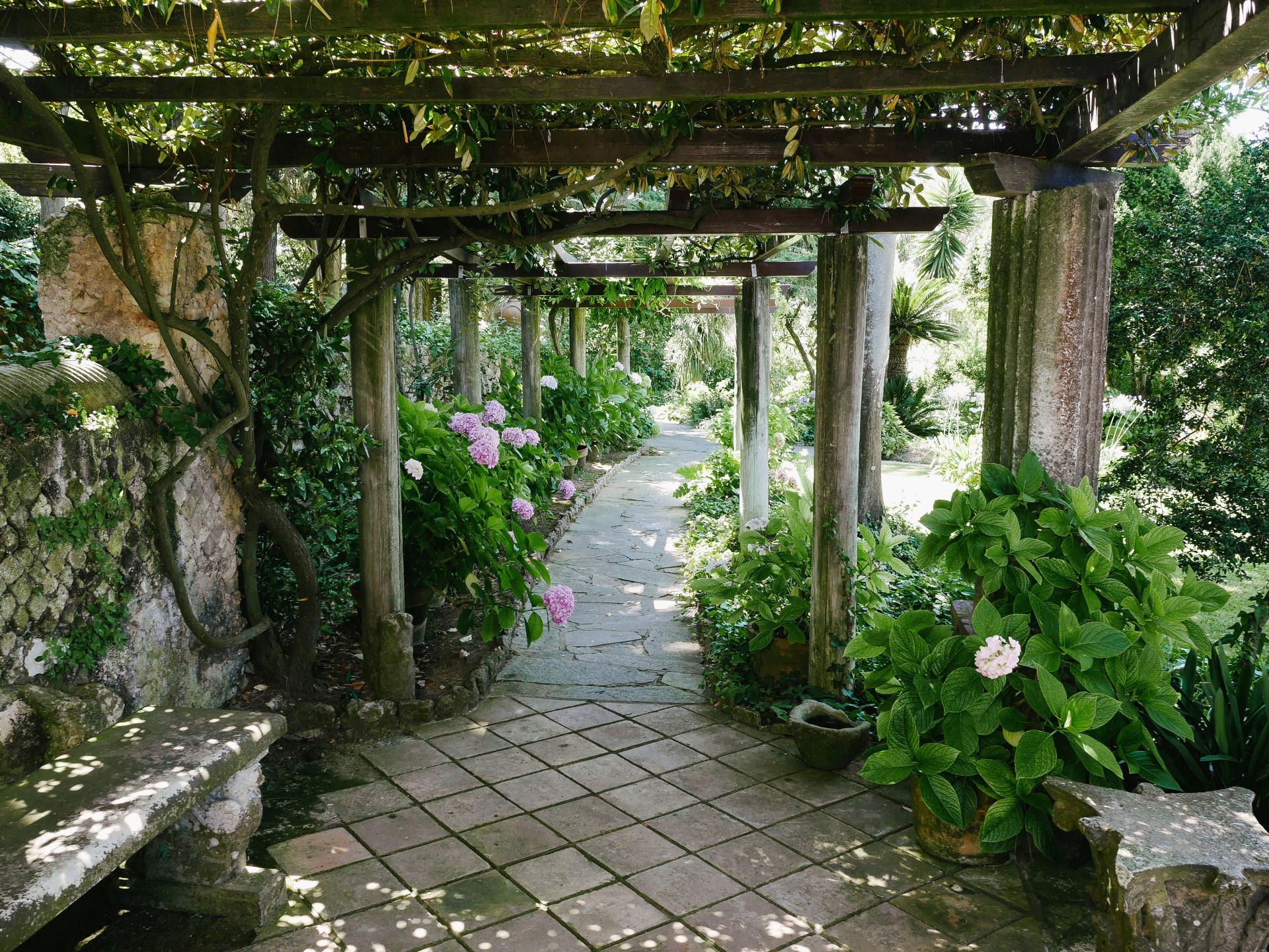
A home feels most inviting when the house and garden speak the same visual language. Colors, materials, and shapes can either create a sense of calm unity—or feel random and disconnected. By thinking holistically about both architecture and landscaping, you can make your outdoor space a natural extension of your home. Here’s how to create visual harmony between your home and garden.
Start with Your Home’s Style
Your home’s architecture sets the tone for your outdoor design. A Craftsman bungalow calls for different choices than a sleek mid-century modern or a contemporary farmhouse. Look closely at materials, colors, and lines—and let them guide your landscaping decisions.
- Craftsman or bungalow: Choose plants with soft forms and natural hues, such as hydrangeas, ferns, and ornamental grasses. Brick, stone, or gravel pathways complement the traditional look.
- Mid-century modern: Clean lines and open spaces suit this style. Use structured plantings, evergreens, and minimalist beds. Concrete, steel, and dark wood accents reinforce the modern aesthetic.
- Farmhouse or cottage: Go for a relaxed, welcoming garden with a touch of wildness. Mix perennials, herbs, and flowering shrubs, and use materials like wood, flagstone, and gravel for a natural feel.
When you take cues from your home’s character, your garden will feel like a seamless part of the whole.
Repeat Colors and Materials
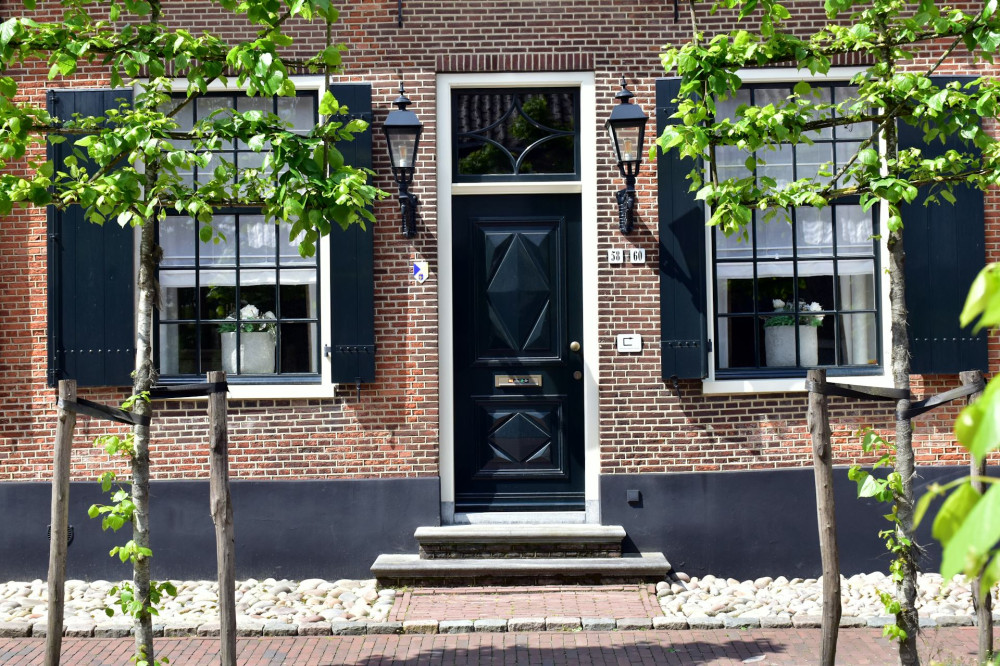
One of the simplest ways to create cohesion is to repeat colors and materials from your home in your garden. If your house has black window frames, consider outdoor furniture or planters in the same tone. A brick façade can be echoed with brick pavers on the patio or as edging around flower beds.
Small repetitions make a big difference. It’s not about copying, but about creating visual echoes that tie everything together. This makes the transition from indoors to outdoors feel smooth and intentional.
Think in Lines and Proportions
Your home’s shape and proportions can inspire the layout of your garden. A long, low ranch-style home might be complemented by horizontal planting beds or pathways that emphasize its length. A tall, narrow house can be balanced with vertical elements like slender trees or trellises.
Lines and forms connect the house and garden visually, giving the eye a sense of order and flow—even when materials vary.
Læs også:



Create Fluid Transitions
The transition between home and garden is key. Patios, decks, and porches act as bridges between indoors and outdoors. Use design elements that appear on both sides of the threshold.
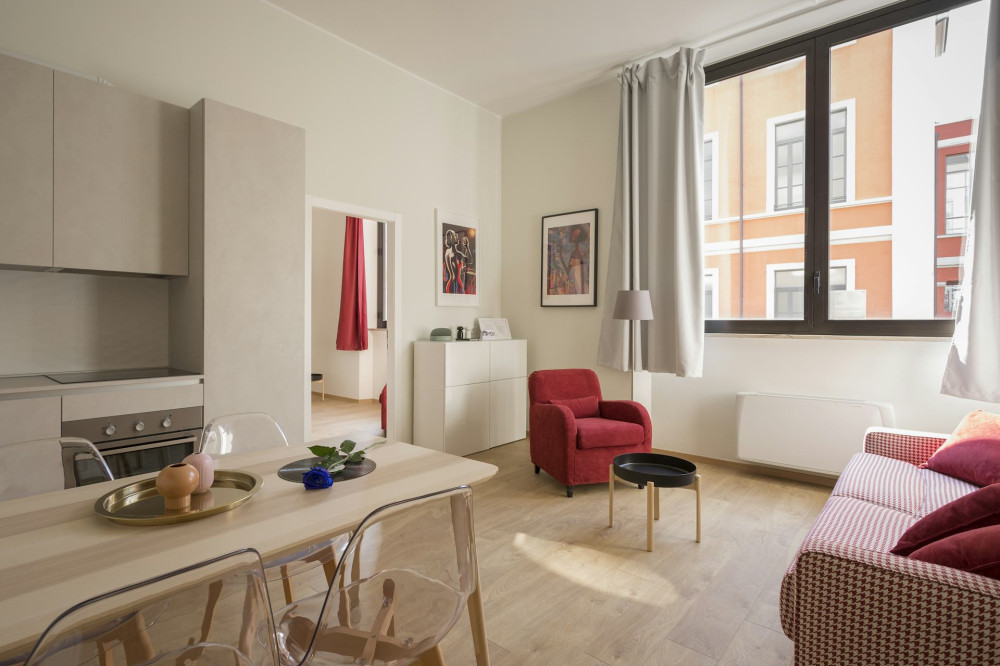
If possible, extend the same flooring material from inside to outside, or choose outdoor rugs and cushions in colors that echo your interior palette. Large windows and glass doors open the home to the garden, making nature part of your everyday living space.
Use Plants as Architecture
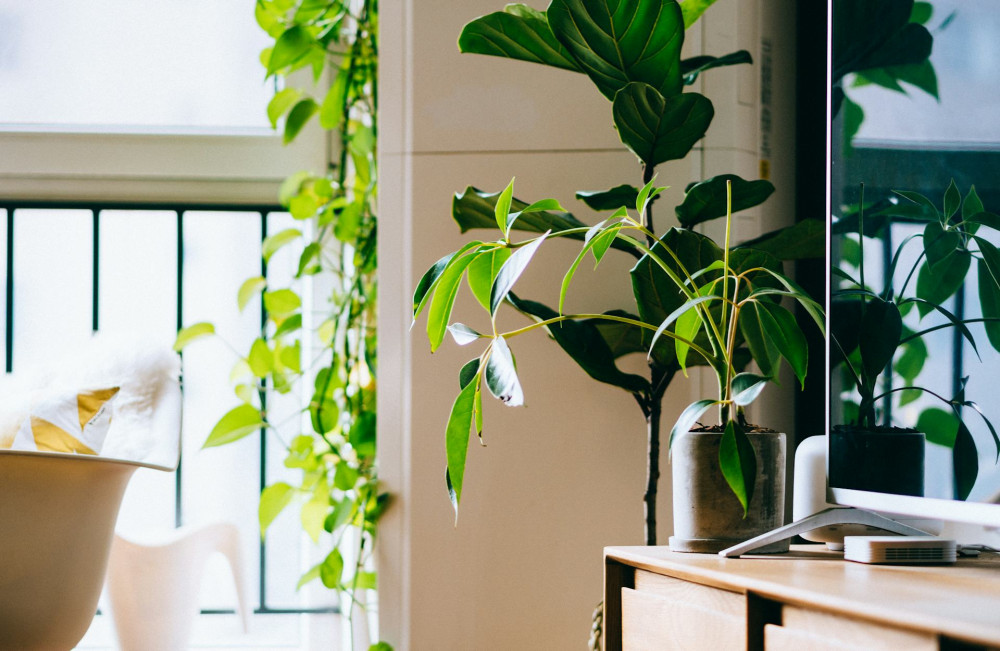
Plants can emphasize your home’s architecture or soften its lines. A row of clipped hedges can highlight geometric forms, while free-growing shrubs and flowers can make a modern structure feel more inviting. Think of plants as building blocks that shape rooms, frames, and perspectives.
- Hedges and trees provide structure and direction.
- Perennials and ornamental grasses add movement and lightness.
- Containers and raised beds bring color and texture closer to the house.
By balancing structure with lushness, you create a garden that feels both organized and alive.
Light and Atmosphere Tie It All Together
Lighting plays a major role in creating harmony. Outdoor fixtures that match your home’s style make the space feel cohesive and extend its usability after dark. Choose wall sconces that echo your indoor lighting, or use spotlights to highlight architectural details and beautiful plantings.
Light adds warmth and depth, making your home and garden feel like one unified space—even when viewed from inside on a winter evening.
A Natural Sense of Unity
Creating visual harmony between home and garden isn’t about making everything identical—it’s about finding a shared rhythm. When materials, colors, and forms work together, the result is a calm, balanced atmosphere that feels right. It makes your home more welcoming—and your garden an integral part of daily life.
Læs også: