Choose the Right Stones for Your Garden’s Look

Choose the Right Stones for Your Garden’s Look
Stones can transform an ordinary yard into a distinctive outdoor space. They add texture, color, and character—and can serve both practical and decorative purposes. Whether you dream of a serene Zen-inspired retreat, a natural woodland garden, or a sleek modern landscape, the stones you choose will shape the overall look and feel. Here’s how to select the right stones to match your garden’s style and function.
Know Your Garden’s Style—and Let the Stones Support It
Before you start picking stones, think about the atmosphere you want to create. The stones should complement your home and landscape, not overpower them.
- The natural garden: Irregular fieldstones, river rocks, and slate fit beautifully in a relaxed, organic setting. They blend seamlessly with native plants, grasses, and mulch.
- The modern garden: Choose stones with clean lines and consistent colors—such as concrete pavers, dark granite, or pale limestone. These materials create a calm, minimalist look that pairs well with geometric plantings and metal accents.
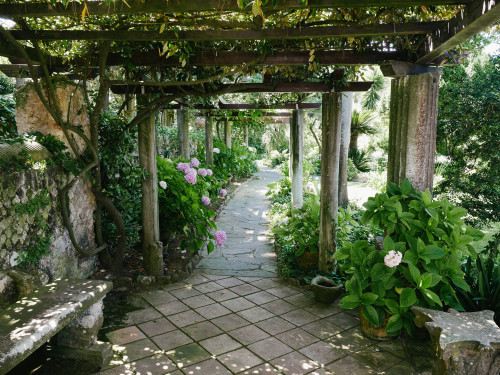
- The cottage or romantic garden: Small cobblestones, pea gravel, and warm-toned flagstone add charm and softness. They work perfectly alongside flowering borders, climbing roses, and winding paths.
- The Zen or Japanese-inspired garden: Use a few carefully placed stones in muted tones. Combine them with gravel, moss, and water features to evoke balance and simplicity.
When selecting stones, consider how they interact with your home’s exterior, the surrounding plants, and other materials like wood, metal, or water.
Color and Texture—Create Harmony or Contrast
Stones come in a wide range of colors and finishes—from creamy limestone to deep basalt, from smooth river pebbles to rough-cut granite. Color influences the mood of your garden: light stones make spaces feel open and airy, while darker tones add depth and grounding.
Keep in mind how stones change with the weather. Some darken when wet, while others glow warmly in sunlight. It’s a good idea to view samples outdoors before making your final decision.
For a cohesive look, choose stones that echo the tones of your surroundings. If you prefer contrast, use a bold accent—like black slate or bright white marble—but sparingly, so the garden remains balanced.
Function and Form—Stones as Building Blocks
Stones can serve many purposes: paving, edging, decoration, or structure. Think about how you want to use them.
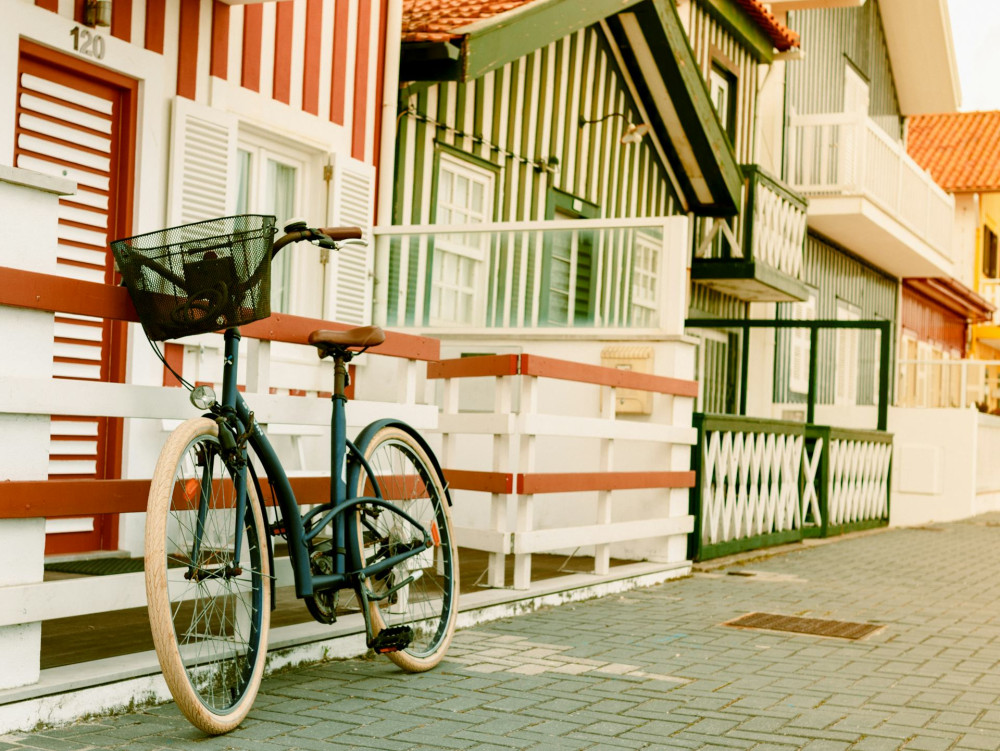
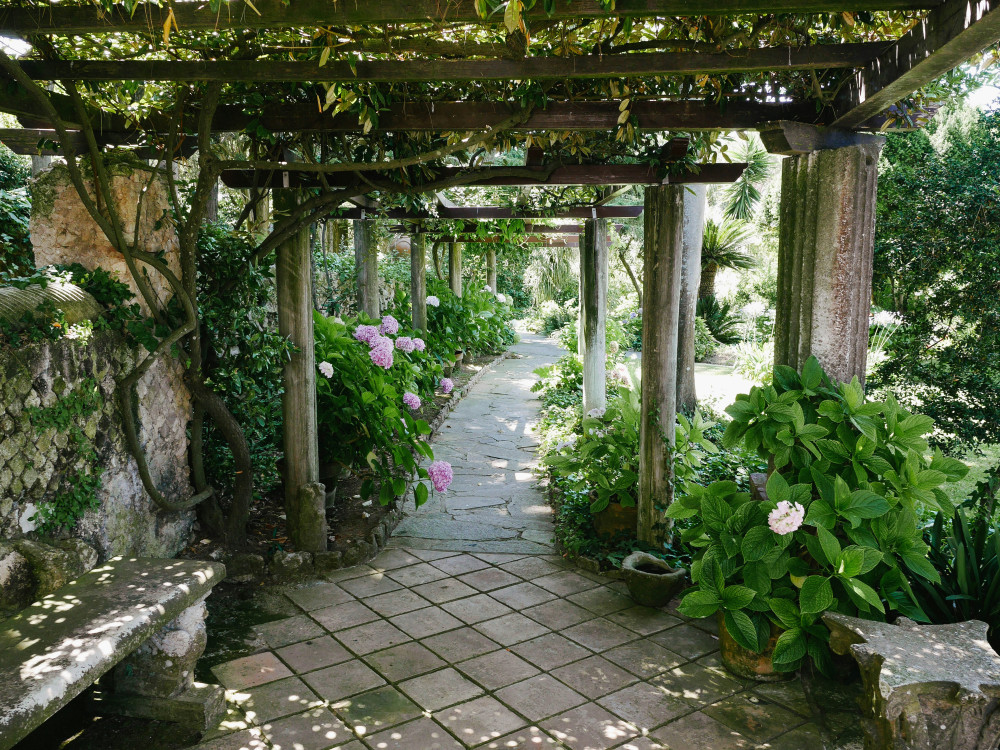
- Paving: Flagstone, pavers, and cobblestones are ideal for patios and walkways. Choose slip-resistant materials that can handle your region’s freeze-thaw cycles. Mixing large and small stones can create a dynamic, natural pattern.
- Edging and borders: Use stones to define flower beds, lawns, or water features. This adds structure and makes maintenance easier.
- Walls and steps: Natural stones like granite, sandstone, or limestone are both durable and beautiful. They can create elevation changes and add character to your landscape.
- Decorative accents: A single large boulder or a cluster of smaller stones can serve as a focal point. Place them so they look as though they’ve always belonged there.
Maintenance and Durability
Stones require less upkeep than wood or plants, but they still need care. Weeds can grow between joints, and algae or moss can make surfaces slippery. Sweep regularly and use a mild cleaner or natural weed control when needed.
Choose stones suited to your local climate. In areas with harsh winters, opt for dense, frost-resistant materials like granite or concrete. Softer stones, such as some limestones, may weather more quickly in freeze-thaw conditions.
Læs også:

Sustainability and Sourcing
Think about where your stones come from. Locally quarried materials often have a smaller environmental footprint and blend naturally with the regional landscape. Reclaimed stones—like old bricks or salvaged pavers—add history and character while reducing waste.
You can also design with permeability in mind. Gravel paths and permeable pavers allow rainwater to soak into the ground instead of running off, helping to prevent erosion and support healthy soil.
Create a Cohesive Whole
Choosing stones for your garden isn’t just about looks—it’s about creating harmony between materials, plants, and space. Start by defining the mood and function you want, then select stones that enhance that vision.
With the right stones, your garden can become a place that’s both beautiful and practical—a reflection of your style and a sanctuary for everyday life.
Læs også: