Simple setups make it easier for kids to clean up

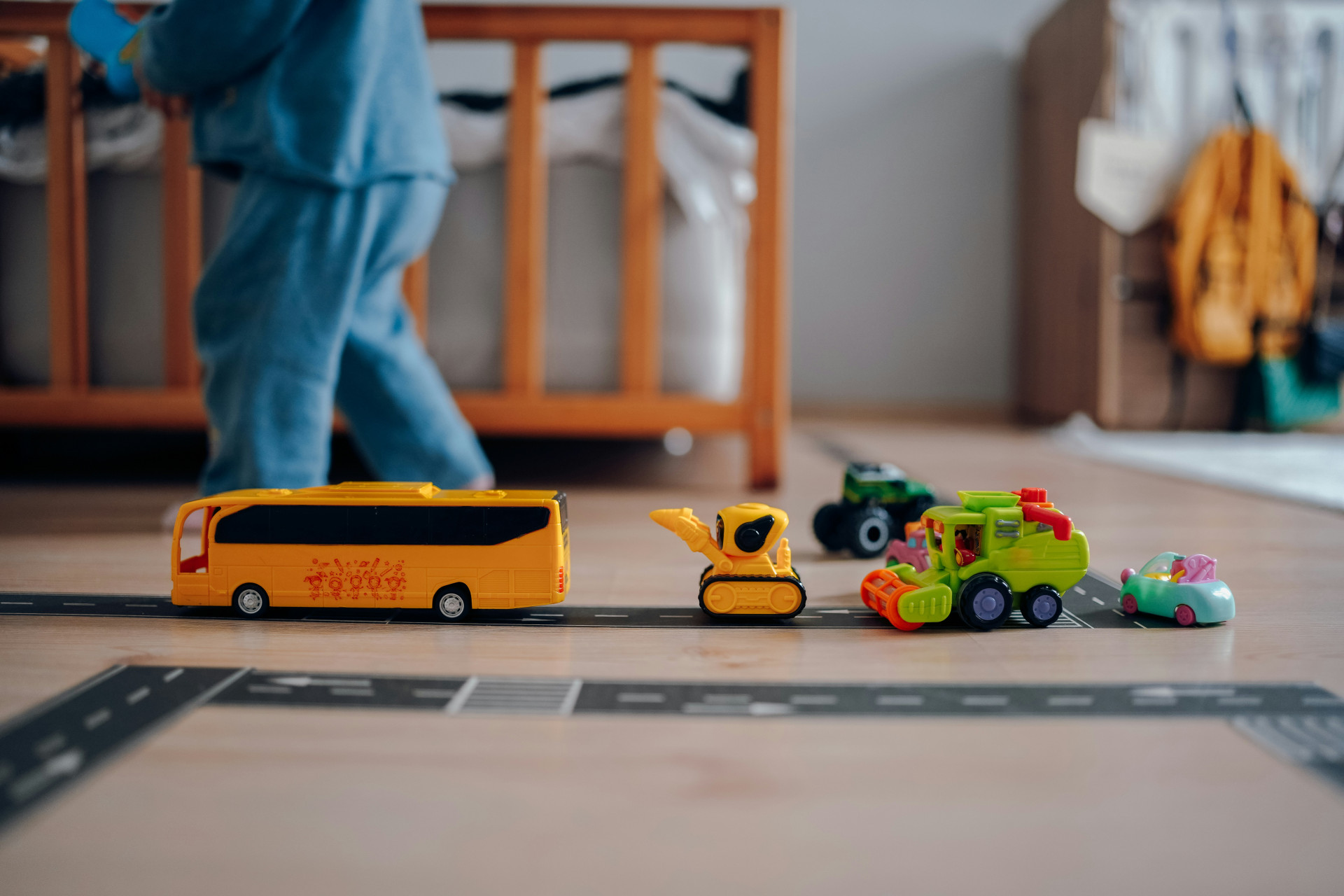
Simple setups make it easier for kids to clean up
For many parents, tidying up is a daily struggle. Toys, clothes, and art supplies seem to spread across every surface, and getting kids to help can feel like an endless battle. But often, the problem isn’t a lack of willingness—it’s a lack of structure. When children have simple, clear systems to follow, cleaning up becomes easier, faster, and even fun.
Kids need clear systems
Young children think in concrete terms. If they can’t see where things belong, or if the system is too complicated, they quickly lose track. That’s why it’s important to create simple, visible setups that make sense to them.
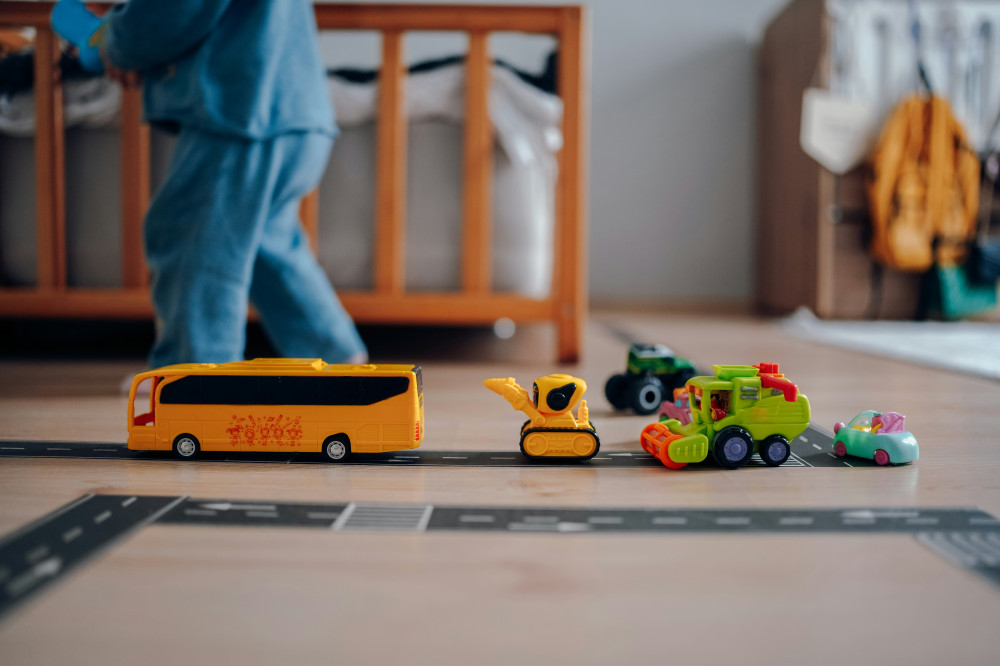
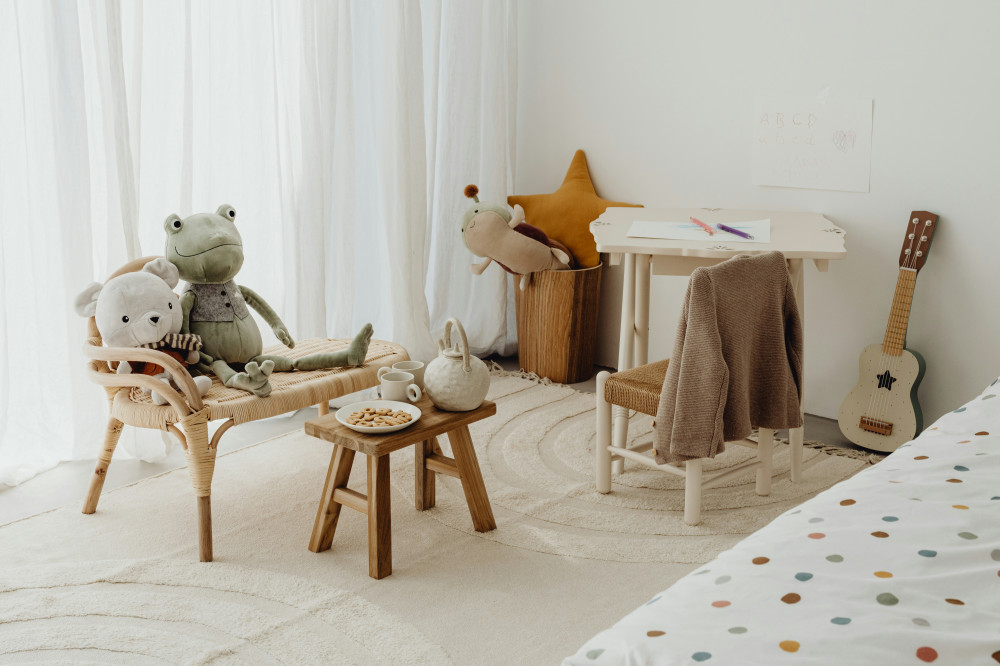
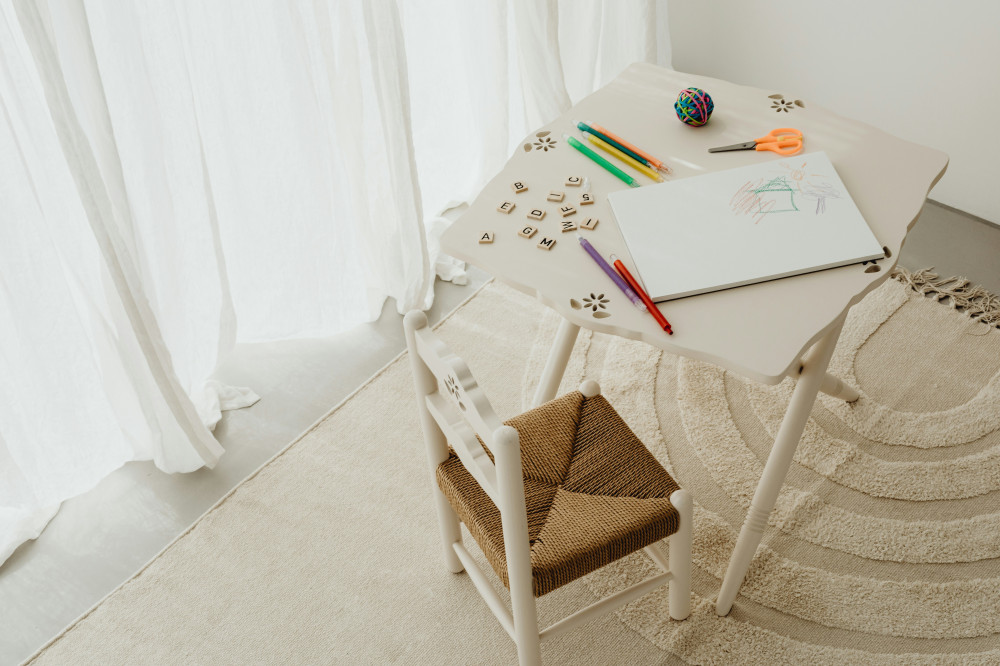
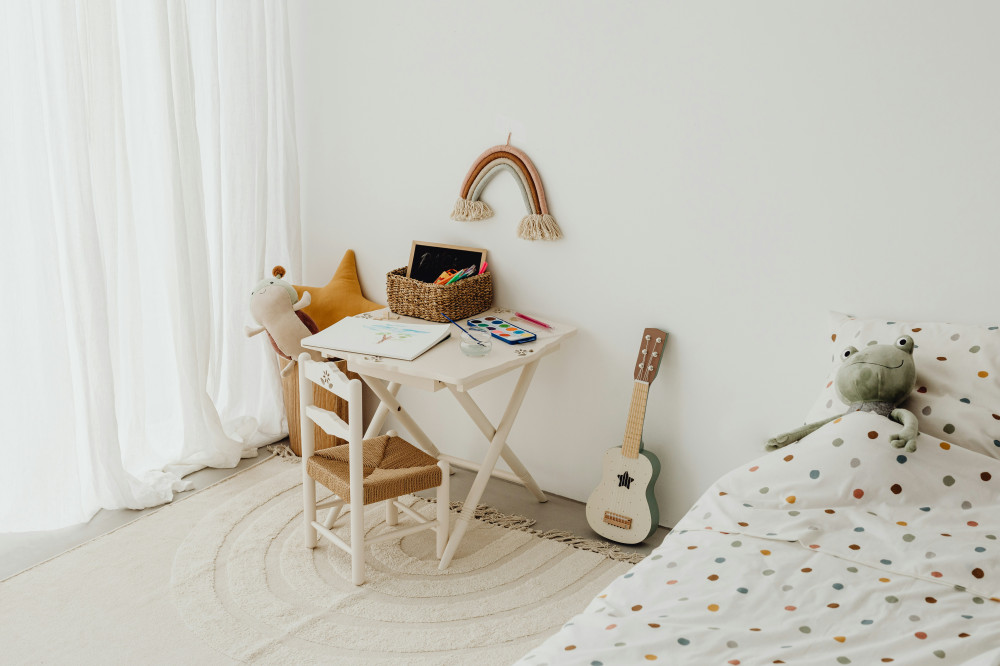
A good starting point is to divide the room into zones: one for play, one for clothes, and one for creative activities. Each zone should have its own logic so the child intuitively knows where things go. It can be as simple as one bin for cars, another for stuffed animals, and a third for building blocks.
Make it visual and easy to understand
Kids respond well to visual cues. Use pictures, colors, or symbols to show where things belong. A bin with a picture of a doll communicates more clearly than a written label, especially for younger children.
Color-coding can also help: blue bins for toys, green for books, yellow for art supplies. This makes it easier for kids to find what they need—and to put it back when they’re done.
Build routines that fit your child’s age
Cleaning up should be part of everyday life, not a power struggle. For toddlers and preschoolers, five minutes of cleanup together can be enough. Turn it into a game: set a timer, play a favorite song, or make it a race to see who can pick up the most red items.
Older kids can take on more responsibility with set cleanup times—before dinner or bedtime, for example. The more predictable the routine, the easier it is to stick with it.
Less is often more
A cluttered room can feel overwhelming. Kids don’t need to have all their toys out at once. Try rotating toys: store some in a box and swap them out every few weeks. This keeps playtime fresh and makes cleanup much simpler.
It also teaches kids that it’s not about having the most things, but about taking care of what they have and enjoying it fully.
Involve your child in the setup
When kids help decide how their space is organized, they feel more ownership. Ask where they think things should go, and let them choose colors or containers. When the system feels like their own, they’re more motivated to keep it up.
It’s also helpful to go through the room together a few times a year. What do they still use? What can be donated or passed on? This helps children learn that tidying up is part of growing and changing.
Læs også:
Make cleanup a positive experience
Cleaning up doesn’t have to be a chore. When it becomes a calm, predictable part of the day, kids learn that order brings space and peace. Praise their effort—not just the result—and show that you appreciate their help.
With simple setups, clear routines, and a bit of patience, tidying up can become a shared task that builds responsibility, independence, and a sense of pride.
Læs også: