Design a Kids’ Room That Works for Both Boys and Girls

Design a Kids’ Room That Works for Both Boys and Girls
When kids share a room—or when you want to create a space that grows with your child—it can be tricky to design something that feels right for both boys and girls. Colors, furniture, and themes are often tied to gender, but a great kids’ room is really about function, comfort, and personality rather than pink or blue. Here’s how to design a space that feels fun, flexible, and welcoming—no matter who calls it home.
Start with Function, Not Color
A kids’ room has to do a lot: it’s a place to sleep, play, learn, and store all their stuff. Before you think about paint colors or decorations, start by planning how the room will be used.
- Sleep zone: Create a calm, cozy area for rest. A bed with built-in storage is a smart choice, especially in smaller rooms.
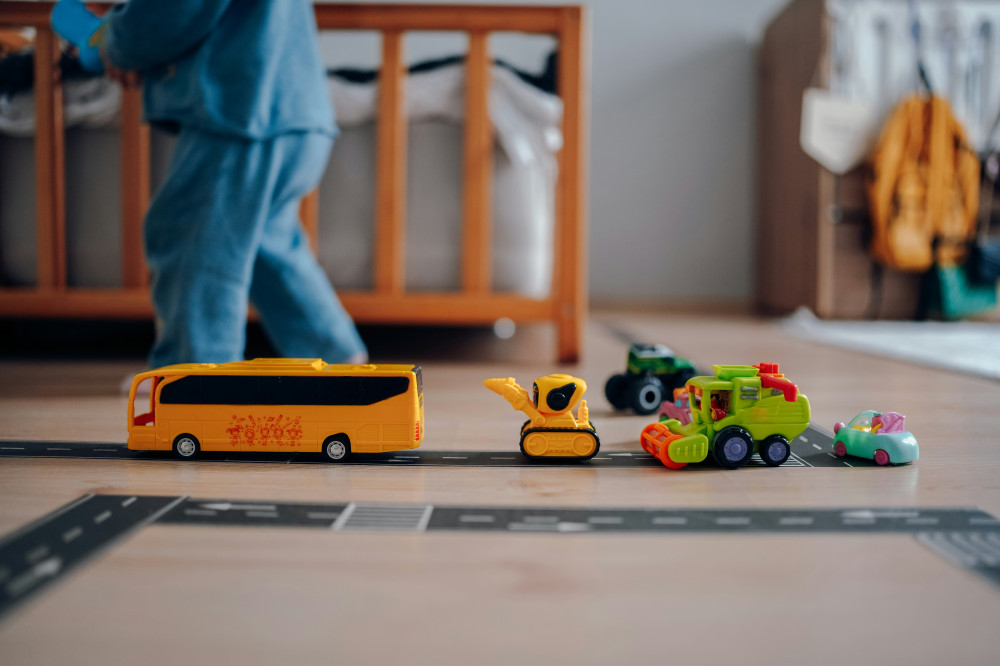
- Play area: Leave open floor space for playtime. A soft rug makes a great spot for building blocks, puzzles, or pretend play.
- Storage: Use bins, baskets, and low shelves so kids can easily reach and put away their own things.
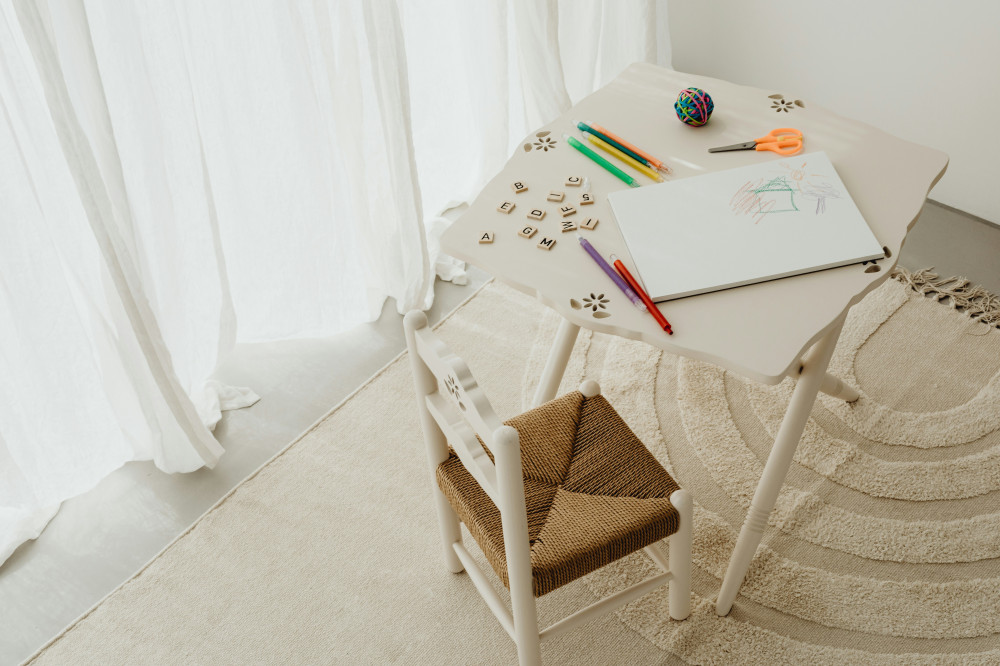
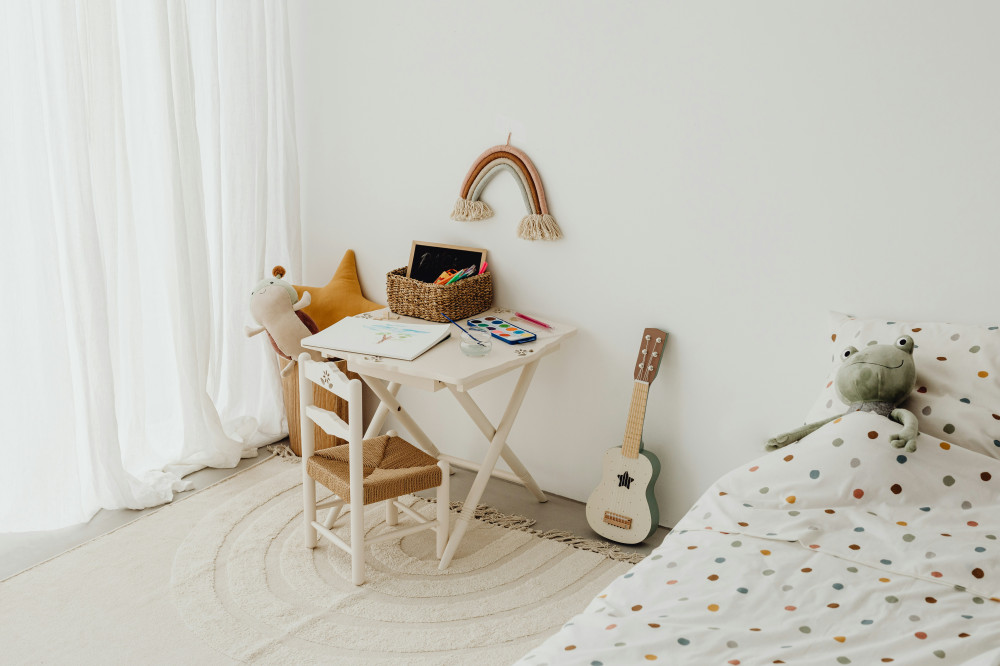
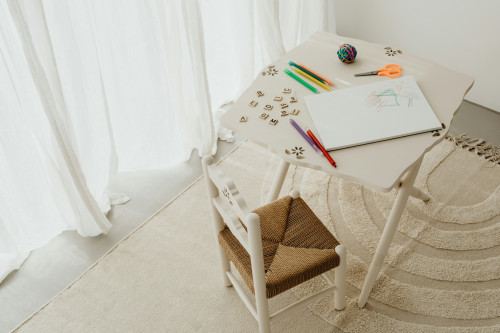
- Creative corner: A small table for drawing, crafts, or building projects gives kids a place to focus and express themselves.
Once the layout works, it’s easier to choose colors and details that fit the room’s rhythm.
Choose Neutral Colors with Character
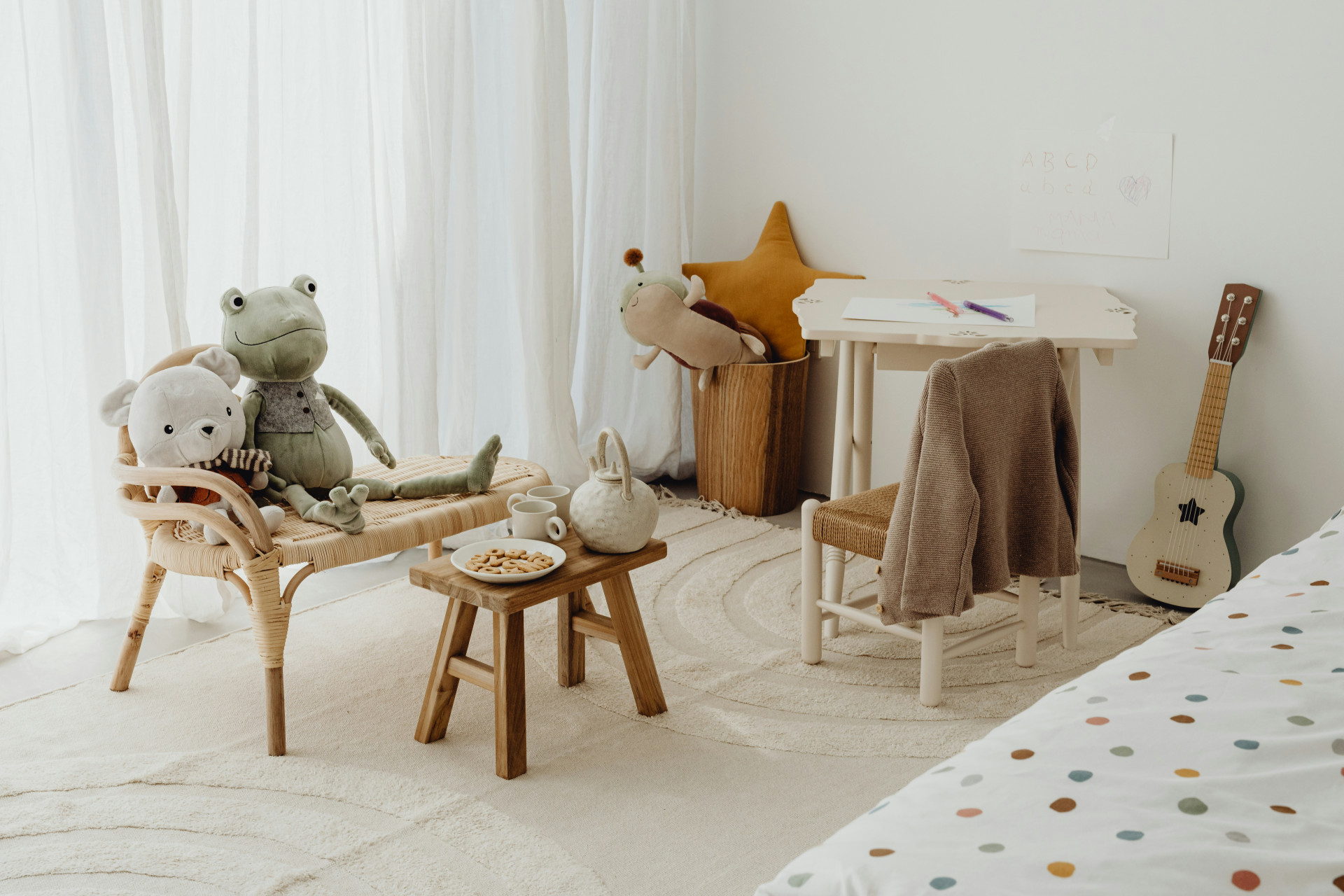
A gender-neutral room doesn’t have to be plain. Neutral tones can create a calm base that you can personalize with colorful accents.
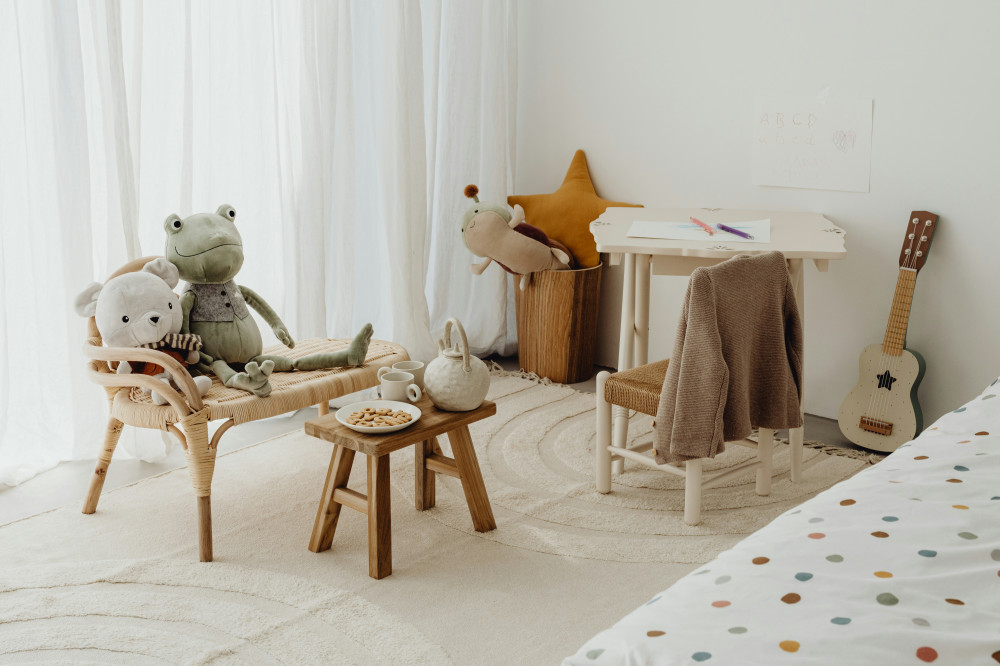
Soft grays, beiges, greens, and blues work well as foundation colors because they mix easily with other shades. Add warmth with mustard, terracotta, or muted pinks to bring the space to life.
A good tip: keep walls neutral and use color in textiles and accessories. That way, you can easily update the look as your kids grow or their interests change.
Use Natural Materials and Soft Shapes
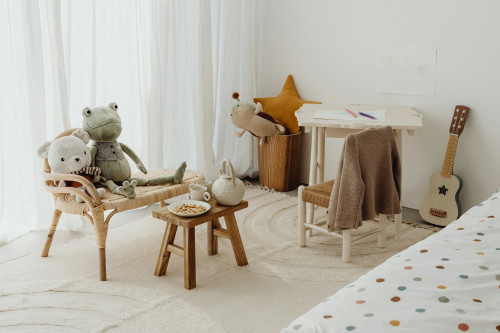
Wood, rattan, cotton, and wool bring warmth and texture to a room, making it feel timeless and cozy. Natural materials are also pleasant to touch and help create a soothing atmosphere.
Avoid too many sharp lines or harsh contrasts. Rounded furniture, soft pillows, and layered fabrics make the space more inviting and comfortable.
Let the Kids’ Personalities Shine
Even in a neutral room, the space should reflect the children who live there. Let them help choose posters, bedding, or small decorations. Whether they love animals, space, or nature, their choices make the room feel like their own.
If two kids share the room, create small zones for each child. You can define these areas with color, artwork, or a small shelf that divides the space.
Think Flexibly—So the Room Grows with Them
Kids’ needs change quickly, so choose furniture that can adapt. A crib that converts to a toddler bed, an adjustable desk, or modular shelving can all evolve as your child gets older.
Try not to go overboard with themed décor—superheroes or princesses might be fun now but can feel outdated fast. Instead, use removable items like posters, bedding, or wall decals to bring in themes that can easily be swapped out later.
Læs også:
Keep It Organized and Calm
A tidy room gives kids more space to play and imagine. Choose storage solutions that make cleanup easy. Labeled bins or color-coded boxes help kids know where things go, and open shelves can display favorite toys as part of the décor.
Lighting also matters: combine a bright ceiling light with a cozy nightlight and a desk lamp for reading or homework. Good lighting makes the room both functional and inviting.
A Space for Play, Learning, and Comfort
In the end, a kids’ room that works for both boys and girls is all about balance. It should be a place where children feel safe, inspired, and free to be themselves. By focusing on function, flexibility, and personality rather than gender, you’ll create a room that grows with your kids—and feels just right for everyone.
Læs også: