Let Your Child Choose the Decorations – and Strengthen Their Sense of Ownership in the Room

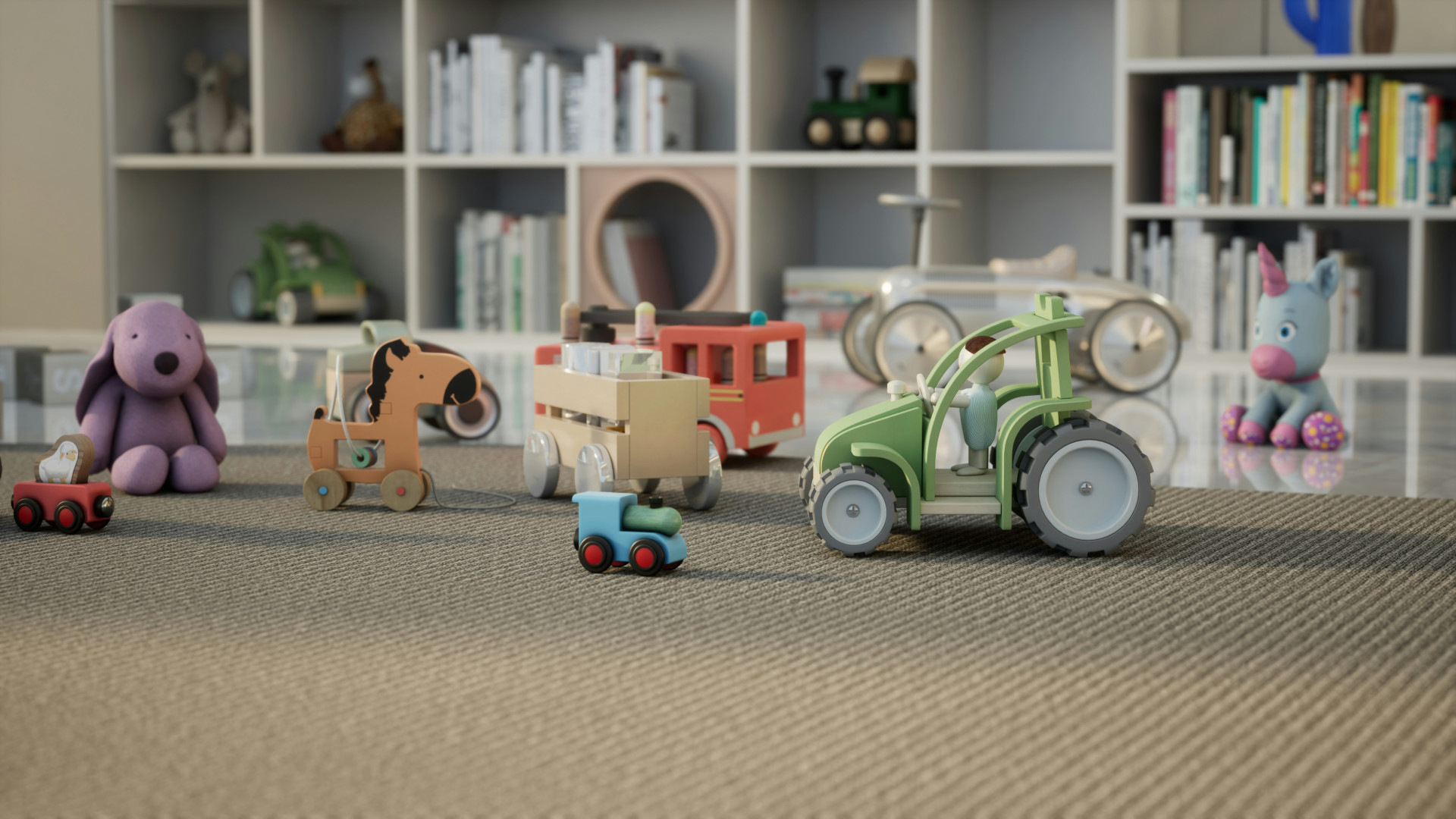
Let Your Child Choose the Decorations – and Strengthen Their Sense of Ownership in the Room
When a child gets to help decide how their room looks, it’s about much more than colors and décor. It’s about giving them a voice in their own space – a place where they can feel safe, inspired, and truly at home. By letting your child choose decorations, colors, and small details, you’re not only encouraging creativity but also nurturing a sense of ownership and responsibility.
A Room That Reflects Your Child’s Personality
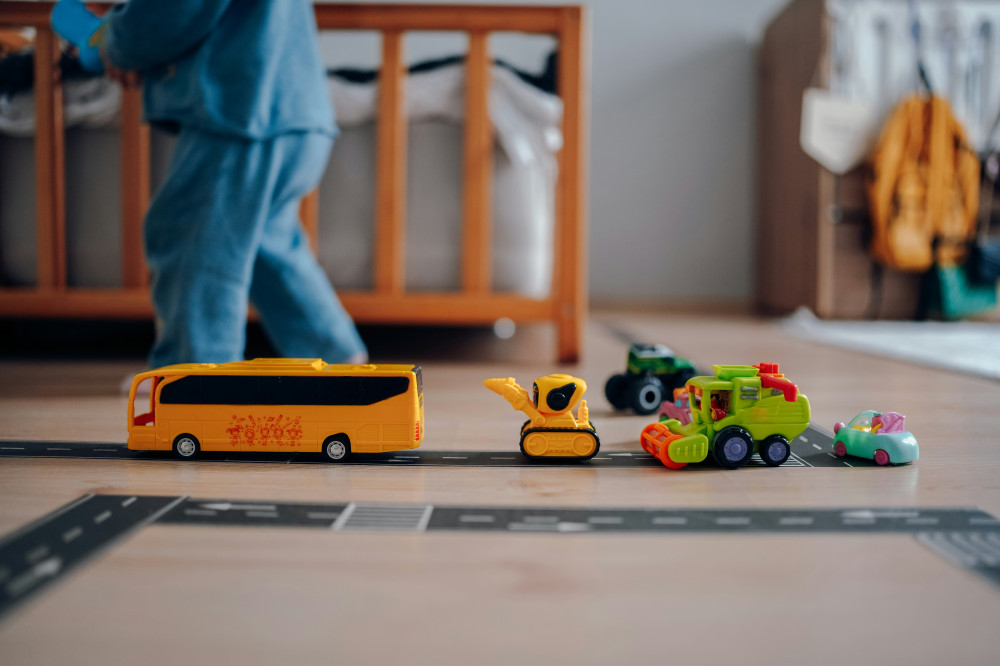
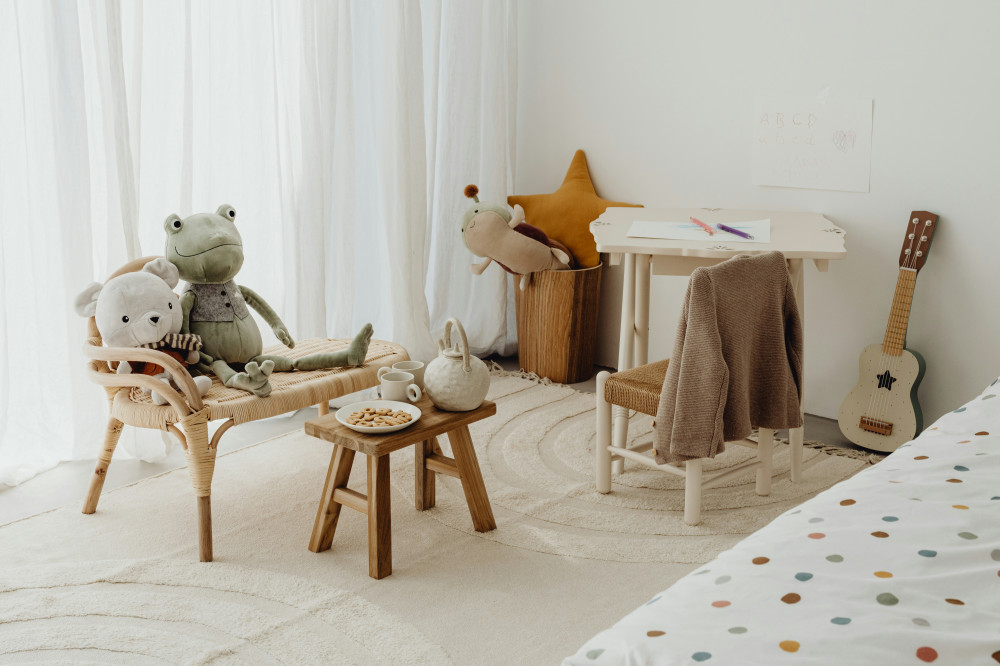
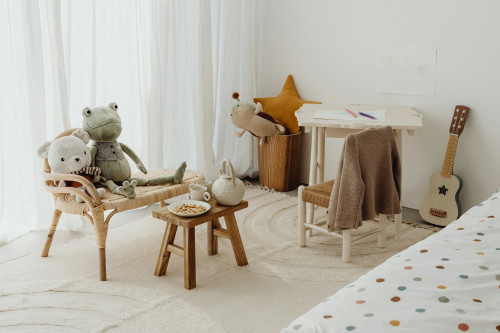
A child’s bedroom is often their first “own space” – a place to play, dream, and unwind. When they have a say in how it’s decorated, the room becomes a reflection of who they are. Maybe your child loves dinosaurs, outer space, or ocean life – those interests can shine through in everything from posters and bedding to wall art and small figurines.
Even small choices can make a big difference. Picking the wall color, choosing a lampshade with a favorite pattern, or selecting a rug in a fun texture gives your child the feeling that the room is truly “mine.” That sense of pride often leads to more care and respect for their belongings.
Set Boundaries – but Leave Room for Freedom
As a parent, it can be tempting to take full control of the design so everything looks coordinated and stylish. But try to see the room through your child’s eyes. It doesn’t have to look like a home décor magazine – it just needs to feel right for them.
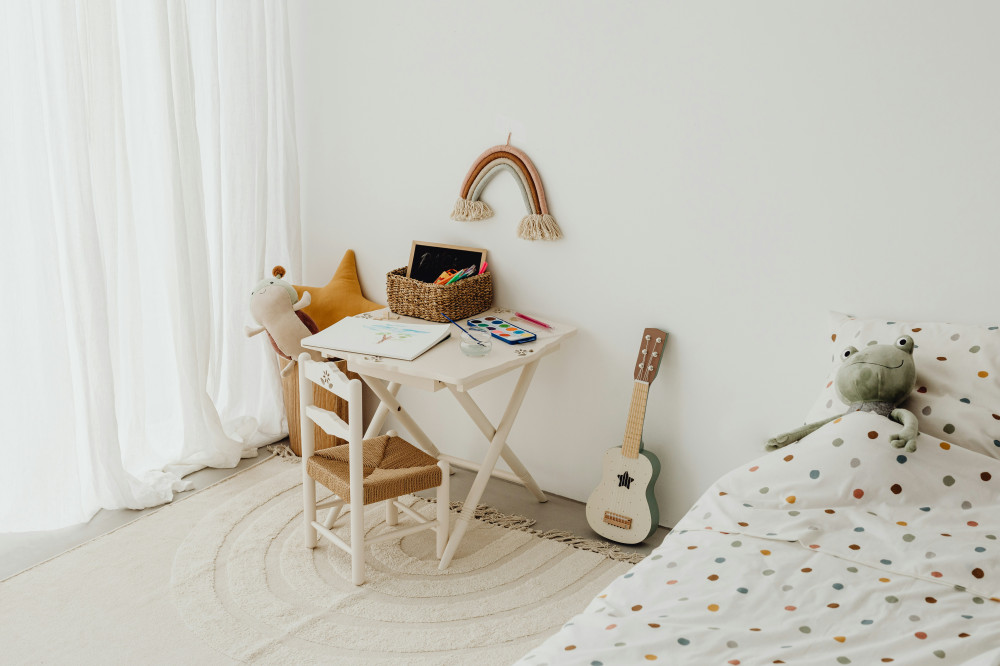
A good approach is to set some boundaries while allowing freedom within them. You might choose the general color palette, while your child picks the artwork or throw pillows. Or you could suggest a theme – like nature, sports, or adventure – and let your child bring it to life with their own ideas.
It’s not about giving up all control, but about creating a partnership where your child’s voice matters.
Decorating as a Lesson in Responsibility
When children take part in decorating decisions, they also learn about planning, prioritizing, and responsibility. Should there be space for both play and homework? Which items are most important to keep out, and what can be stored away?
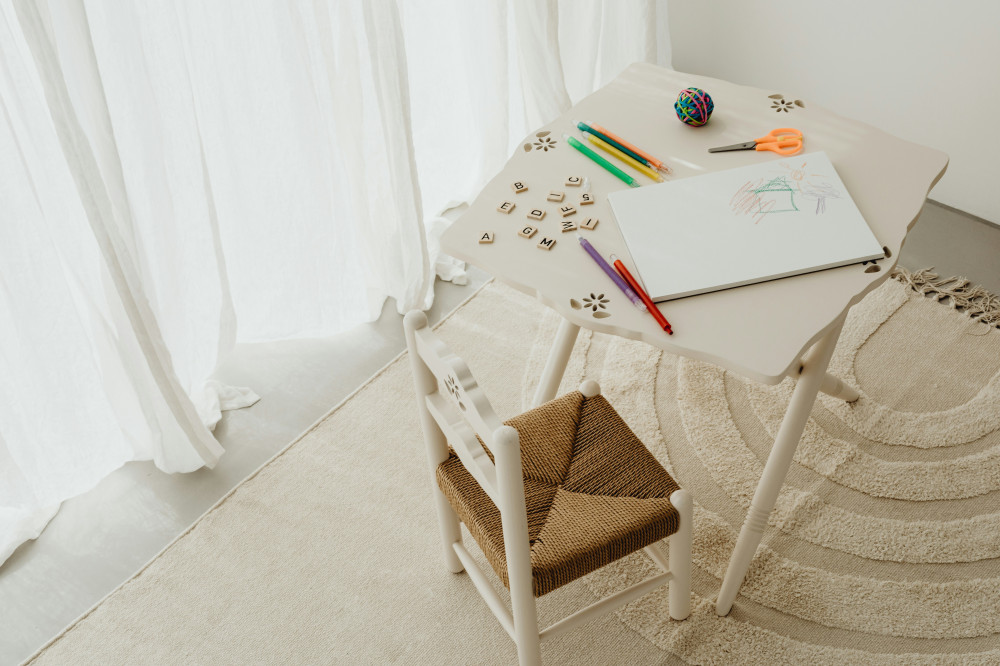
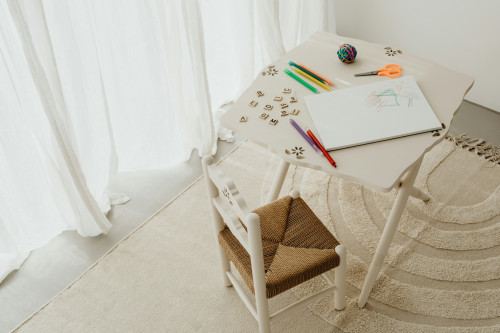
Involving your child in the process – maybe even letting them help paint, assemble furniture, or hang pictures – gives them a hands-on understanding that effort leads to results. It’s a great way to build confidence and practical skills at the same time.
Create a Space That Can Grow
Kids grow fast, and their interests change just as quickly. That’s why it’s smart to think about flexibility when designing their room. Choose elements that can evolve over time – like removable wall decals, adjustable shelving, or bedding that’s easy to swap out.
When your child has been part of the decorating process, it’s also easier for them to embrace changes later. They learn that a room isn’t static – it can grow and change along with them.
Læs også:
A Shared Experience That Strengthens Connection
Decorating your child’s room together can be a fun and meaningful experience. It opens up conversations about taste, dreams, and needs – and helps you understand each other better. You might even discover new sides of your child when they explain why they love certain colors or characters.
At the same time, you’re showing that you respect their opinions. That builds trust and gives your child the confidence to express themselves – not just in decorating, but in life.
A Room with Heart and Personality
When your child gets to leave their mark on their room, it becomes more than just a place to sleep. It becomes a space with meaning – a place where they feel at home because they helped create it. And that sense of belonging might just be the most beautiful decoration of all.
Læs også: