Customize Standard Furniture to Fit Your Child’s Room Needs

Customize Standard Furniture to Fit Your Child’s Room Needs
A child’s room has to do it all — provide space for play, learning, storage, and rest. But that doesn’t mean you need to invest in custom-made furniture. With a bit of creativity and planning, you can adapt standard pieces to fit your child’s age, interests, and the size of the room. Here’s how to create a functional and personal space without overspending.
Think in Flexible Solutions
Kids grow fast, and their needs change just as quickly. That’s why it’s smart to choose furniture that can evolve over time. A height-adjustable desk, a bed with built-in drawers, or a modular shelving unit can easily adapt as your child gets older.
Look for furniture that serves more than one purpose. A low dresser can double as a changing table in the early years and later become storage for toys or clothes. Multi-functional pieces help you get more value from your purchases and reduce the need to replace everything as your child grows.
Make Standard Furniture Personal
Even the most basic furniture can feel special with a few simple updates. A plain bookshelf from a big-box store can be painted in cheerful colors, fitted with new knobs, or lined with patterned wallpaper on the back panel. A standard bed can be transformed with a DIY headboard, fabric canopy, or string lights under the frame.
Invite your child to take part in the process — it gives them a sense of ownership and makes the room feel truly theirs. Let them help choose colors, paint furniture, or decorate with stickers and fabric scraps. It doesn’t have to be perfect; what matters most is that the space reflects your child’s personality.
Create Zones Within the Room
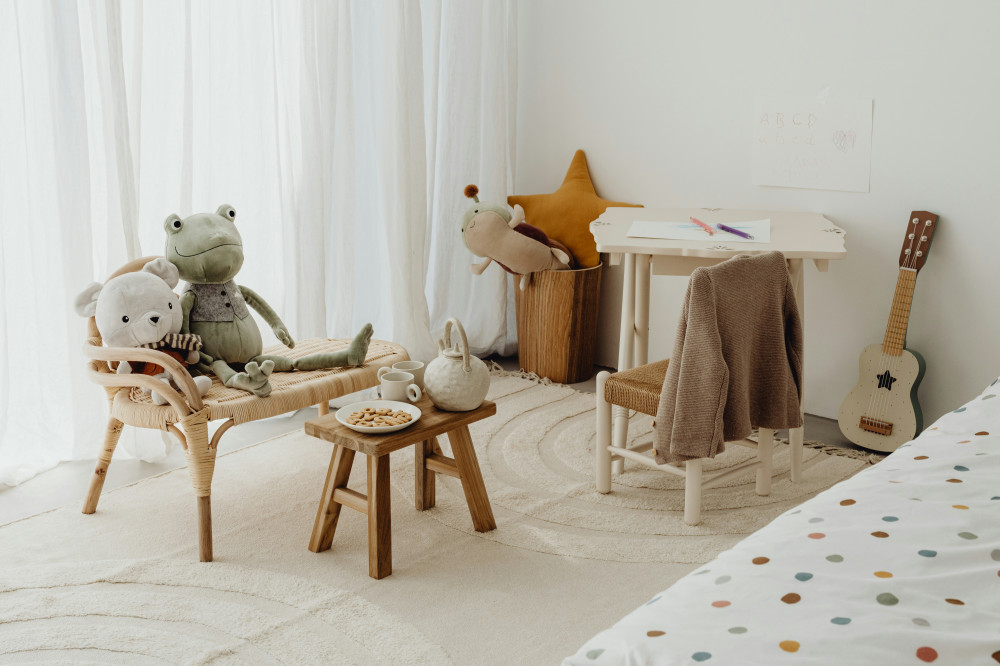
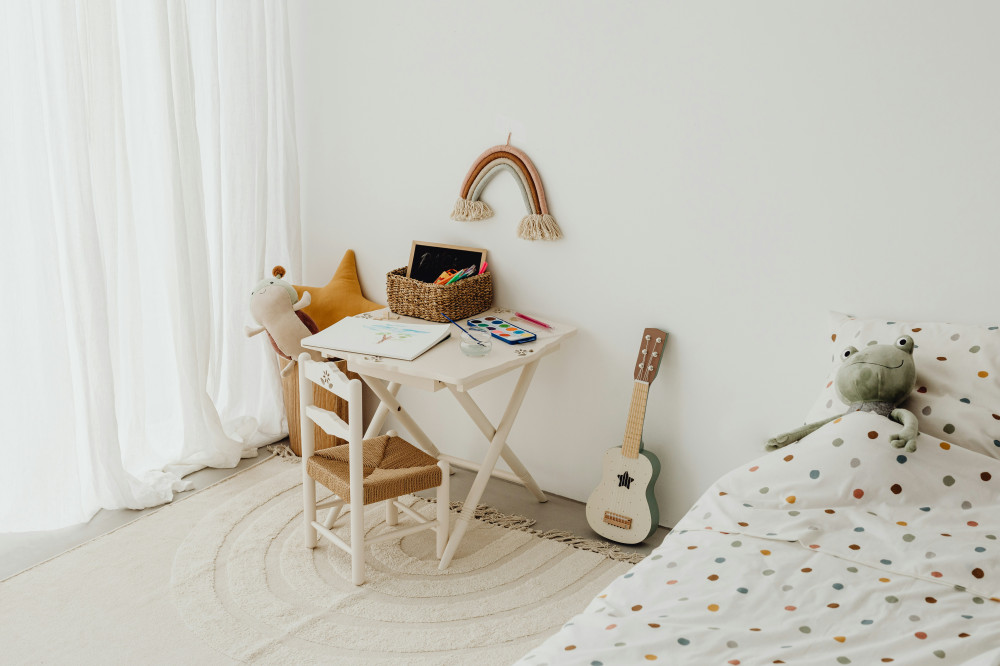
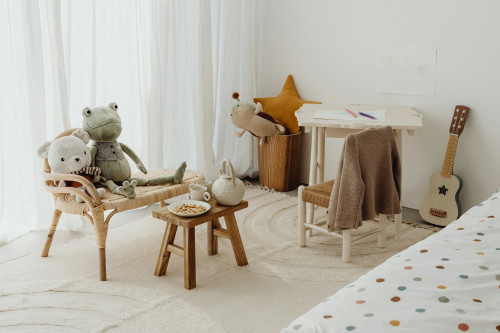
A well-organized child’s room works best when it’s divided into small zones that support different activities. Use furniture strategically to define these areas:
- Sleep zone: Keep the area around the bed calm and cozy with soft lighting and soothing colors. A canopy or curtain can create a snug, private nook.
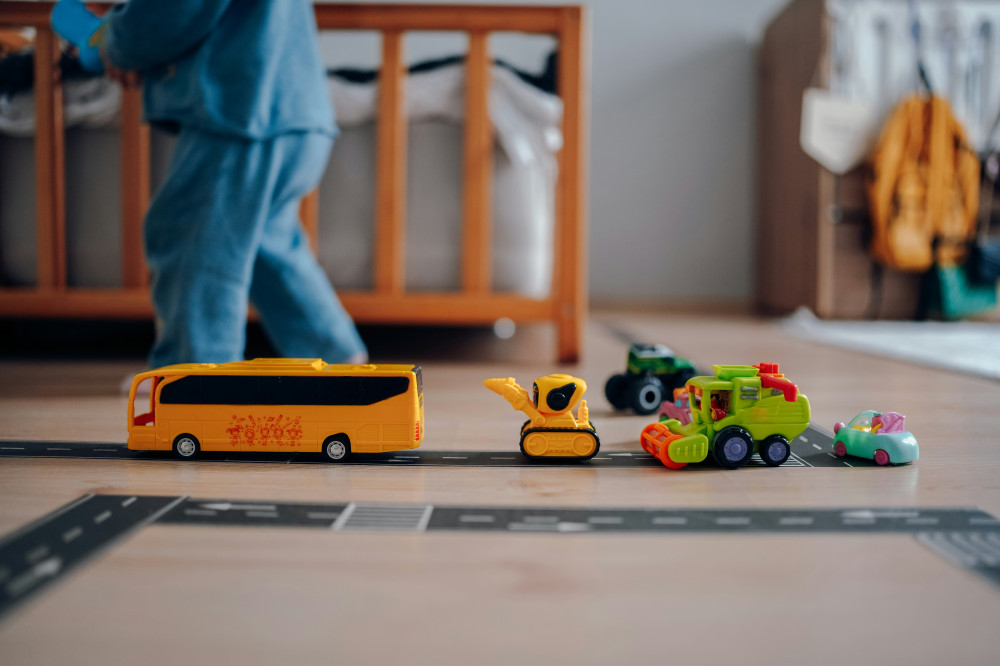
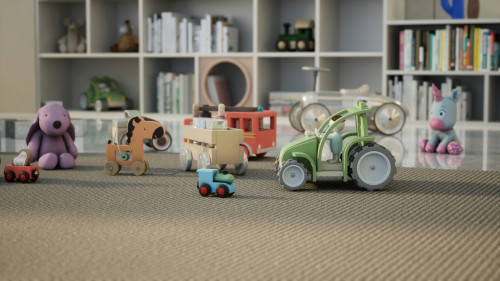
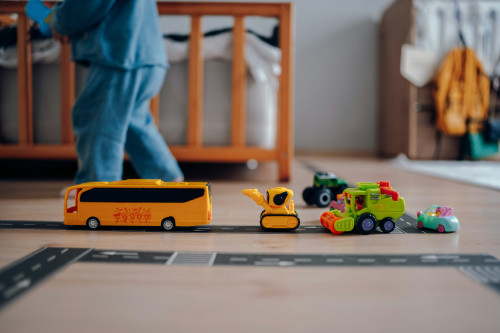
- Play zone: Leave plenty of open floor space for play. Use low shelves or bins so your child can easily reach their toys.
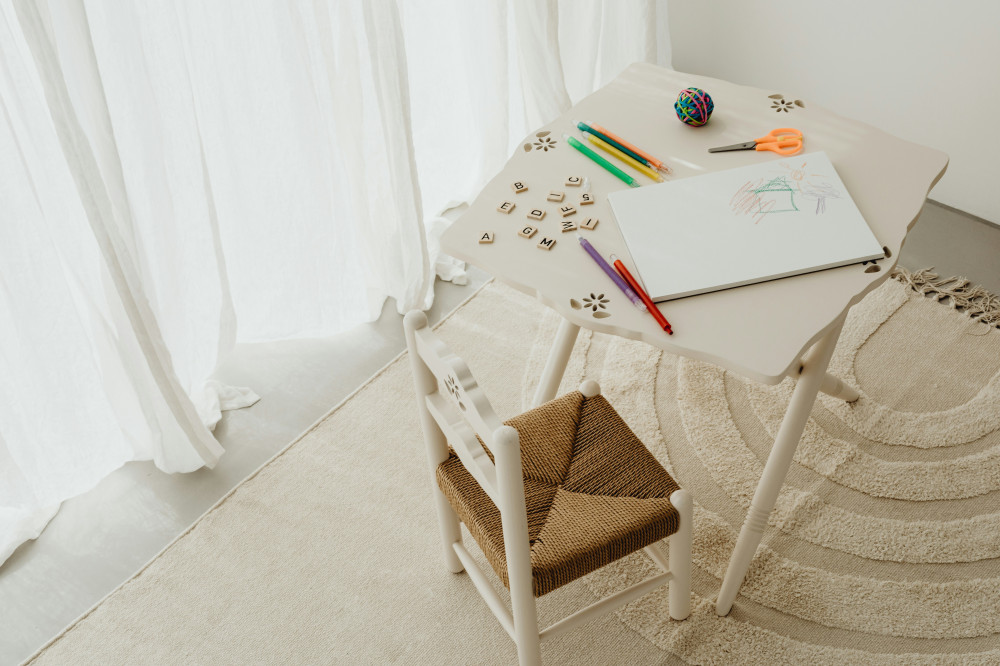
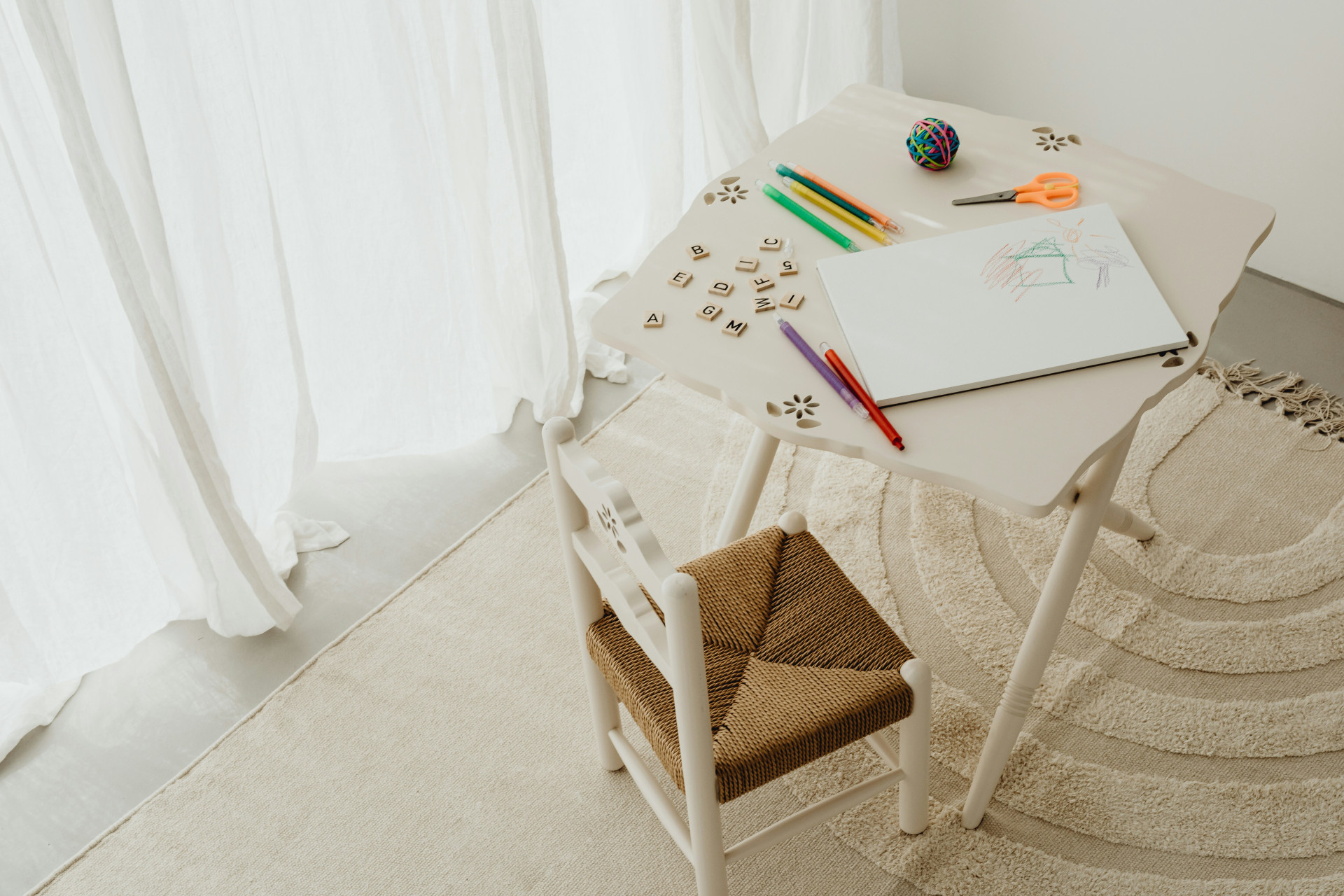
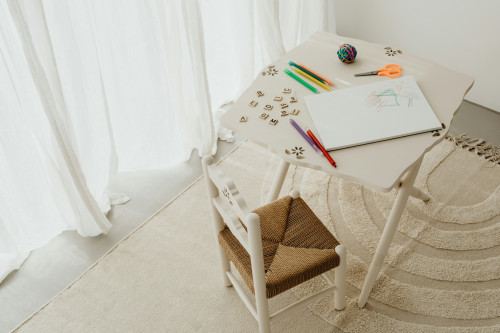
- Learning zone: A small desk or table with good lighting provides a spot for drawing, reading, or homework.
You can even use standard furniture as room dividers — for example, a bookshelf between the sleeping and play areas — to create structure without making the room feel smaller.
Læs også:
Make the Most of the Space
Many kids’ rooms are short on space, so it’s important to use every inch wisely. A loft or bunk bed can free up room underneath for a play area or study space. Storage drawers under the bed or rolling bins make it easy to keep things organized.
If the room is small, think vertically. Use wall-mounted shelves, hooks, and pegboards to store and display items. Simple shelving units from a home improvement store can be painted to match the wall for a clean look, while colorful baskets or boxes add personality and fun.
Be Sustainable and Budget-Friendly
Customizing standard furniture isn’t just creative — it’s also sustainable. By repainting, repairing, and reusing what you already have, you save both money and resources. Check out local thrift stores, yard sales, or online marketplaces for secondhand furniture that can be refreshed with a little paint or new hardware.
It’s also a good idea to choose furniture in neutral colors and durable materials that can grow with your child. Then you can update the room’s look with new bedding, wall art, or accessories instead of replacing big pieces.
Create a Room That Grows With Your Child
A child’s room should evolve along with them. By choosing flexible standard furniture and customizing it with color, texture, and creative touches, you can design a space that’s functional, cozy, and full of personality. It’s not about following trends — it’s about creating a place where your child feels at home, with room to play, learn, and rest.
Læs også: