How to Evaluate the Quality of Your Bathroom Floor Before Buying

How to Evaluate the Quality of Your Bathroom Floor Before Buying
A bathroom floor has to handle a lot: moisture, temperature changes, daily wear, and frequent cleaning. That’s why it’s important to choose a floor that not only looks great but also meets the right standards for durability and safety. Before you make a purchase, there are several factors to consider—from the material’s properties to installation and maintenance. Here’s a guide to help you evaluate the quality of your bathroom floor before buying.
Understand the Requirements for Bathroom Floors
Bathrooms are high-moisture environments, which means the flooring must be waterproof, slip-resistant, and able to withstand humidity over time. In the U.S., building codes vary by state and municipality, but most require that bathroom floors be water-resistant and properly sealed to prevent damage to the subfloor.
A high-quality bathroom floor should:
- Include a waterproof underlayment or membrane to prevent moisture from seeping into the subfloor.
- Offer slip resistance, especially in areas near the shower or tub.
- Be resistant to cleaning chemicals and daily wear without fading or warping.
- Be easy to maintain, helping prevent mold and mildew growth.
When comparing flooring options, ask the retailer or contractor whether the material is rated for wet areas and request documentation or product specifications.
Choose the Right Material
There are several flooring materials suitable for bathrooms, each with its own strengths and weaknesses. The quality depends not only on the material itself but also on how it’s manufactured and installed.
- Ceramic and porcelain tile – A classic and durable choice. Porcelain tiles are denser and more water-resistant than standard ceramic. Look for tiles with a low water absorption rate (less than 0.5%) and a high PEI rating (4 or 5) for durability.
- Luxury vinyl flooring (LVF) – Modern vinyl planks and tiles can mimic wood or stone while being waterproof and softer underfoot. Choose products labeled as 100% waterproof and ensure seams are tightly sealed.
- Engineered stone or quartz composite – Offers a sleek, modern look and excellent water resistance. Quality depends on the resin content and surface finish.
- Natural stone – Beautiful and long-lasting, but it requires sealing and regular maintenance. Make sure the stone is properly treated to resist moisture and staining.
- Concrete or microcement – A minimalist option that can be customized with color and texture. It must be sealed correctly to remain waterproof and should be installed by a professional.
Examine Surface Properties
A good bathroom floor should be both attractive and functional. The surface texture and finish play a major role in safety and longevity.
- Slip resistance: Look for flooring with a slip-resistance rating (often indicated by a coefficient of friction or “DCOF” value). A DCOF of 0.42 or higher is generally recommended for wet areas.
- Surface finish: A quality sealant or glaze protects against stains and makes cleaning easier.
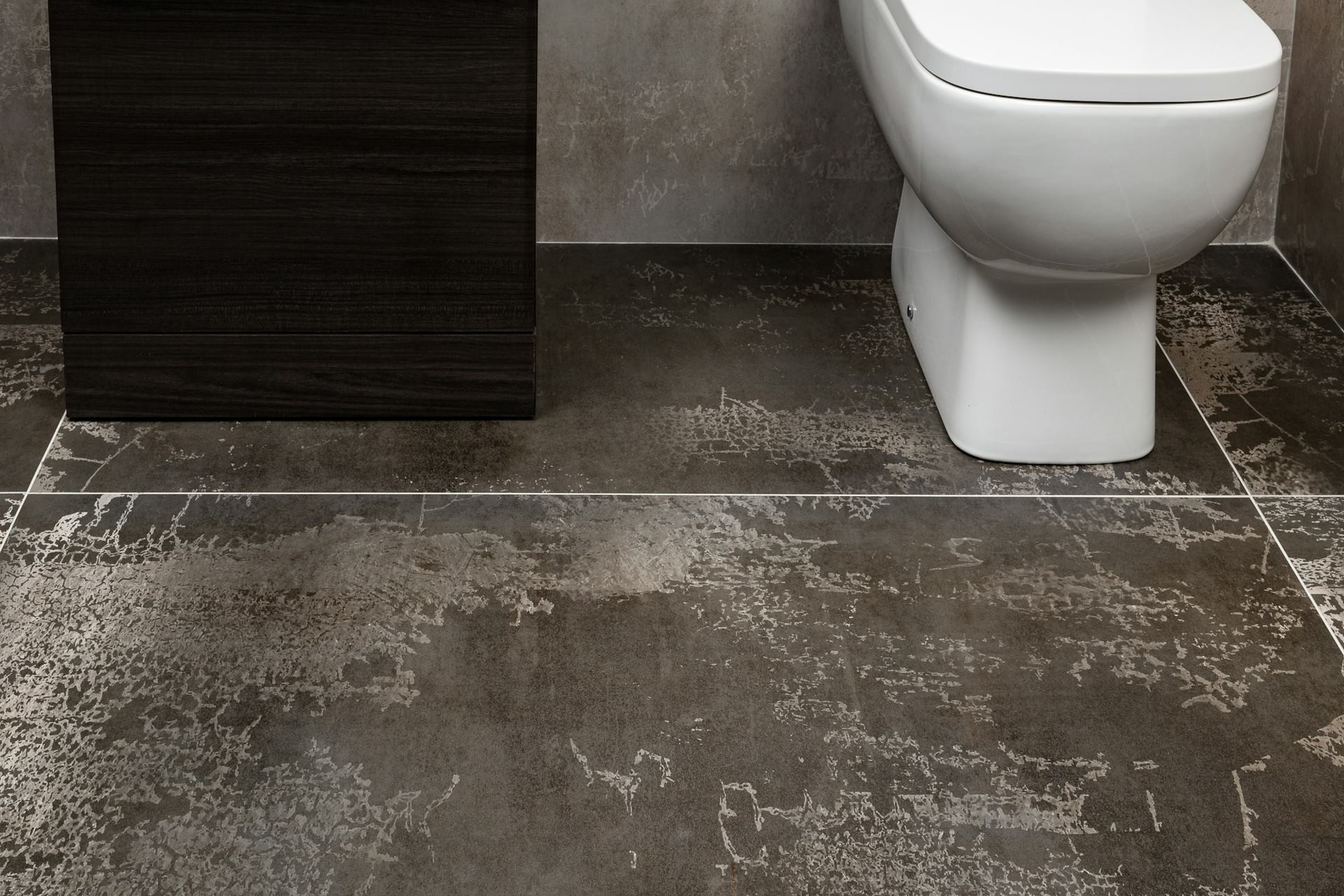
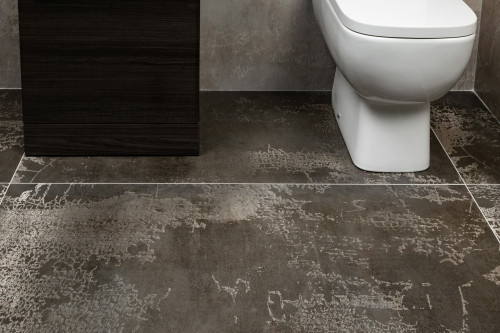
- Color and texture: Matte or textured finishes tend to hide water spots and dirt better than glossy surfaces, which can become slippery when wet.
If possible, take home samples to test how the surface feels underfoot and how it reacts to water and light.
Check the Manufacturer and Warranty
A reliable manufacturer will provide clear information about testing, certifications, and product performance. Look for certifications such as FloorScore (for indoor air quality) or GreenGuard (for low chemical emissions). These indicate that the product meets recognized U.S. standards.
Ask about:
- Warranty coverage: How long does it last, and what does it include?
- Maintenance recommendations: Quality products come with detailed care instructions.
- Reputation: Established brands with experience in bathroom flooring tend to have better quality control and customer support.
Installation Matters
Even the best flooring can fail if it’s not installed correctly. Proper installation includes ensuring a watertight seal, correct slope toward the drain, and secure joints or grout lines.
Consider hiring a licensed contractor who specializes in bathroom installations. Professional installation not only ensures compliance with local building codes but also protects your warranty and insurance coverage in case of water damage.
Læs også:
Maintenance and Longevity
A high-quality bathroom floor should last for many years, but it requires proper care. Follow the manufacturer’s cleaning and maintenance guidelines. Avoid harsh chemicals that can damage the surface, and regularly inspect grout lines, seams, and caulking for signs of wear or leaks.
A well-chosen bathroom floor is an investment in both style and durability. By carefully evaluating the quality before you buy, you’ll ensure a floor that looks beautiful, performs well, and stands up to daily life for years to come.
Læs også: