Cleaning That Preserves and Extends the Life of Your Floor

Cleaning That Preserves and Extends the Life of Your Floor
Your floor is one of the hardest-working surfaces in your home. Every day it faces foot traffic, dirt, spills, and moisture — all of which can wear it down over time. But with the right cleaning habits and maintenance, you can keep your floors looking beautiful and extend their lifespan for years. Here’s a practical guide to caring for your floors, whether they’re hardwood, laminate, vinyl, or tile.
Know Your Floor – and What It Needs
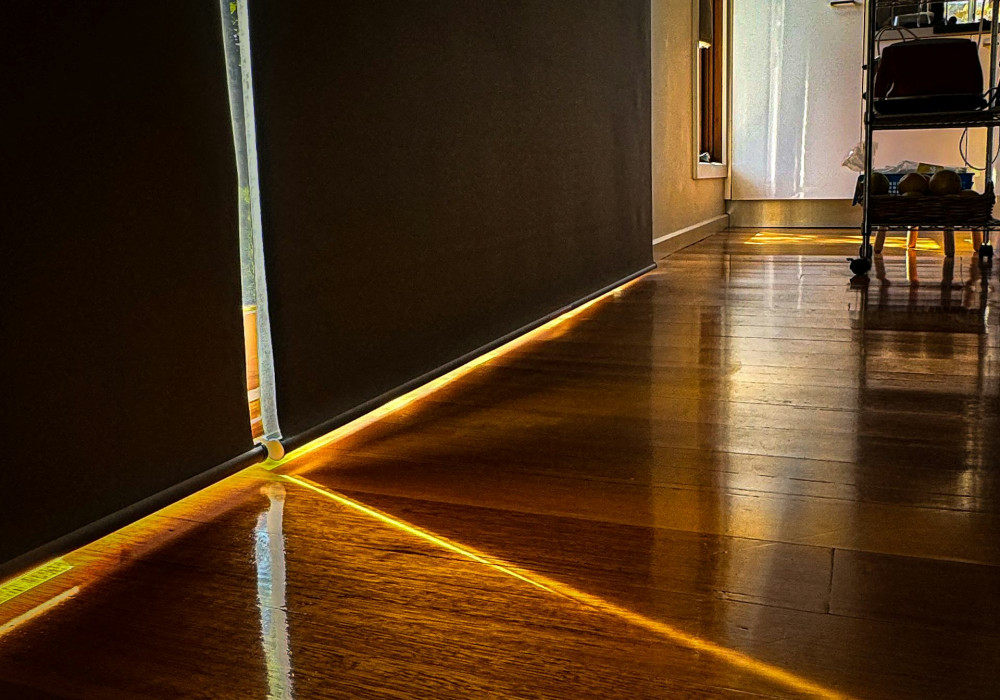
Before you start cleaning, it’s important to understand what type of flooring you have. Each material has its own care requirements and cleaning methods.
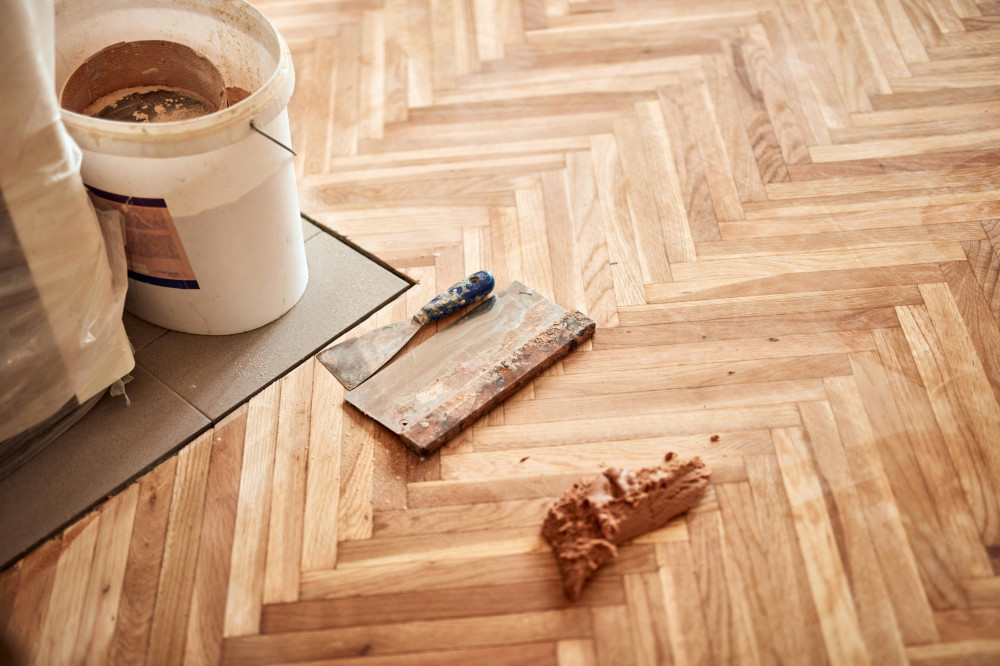
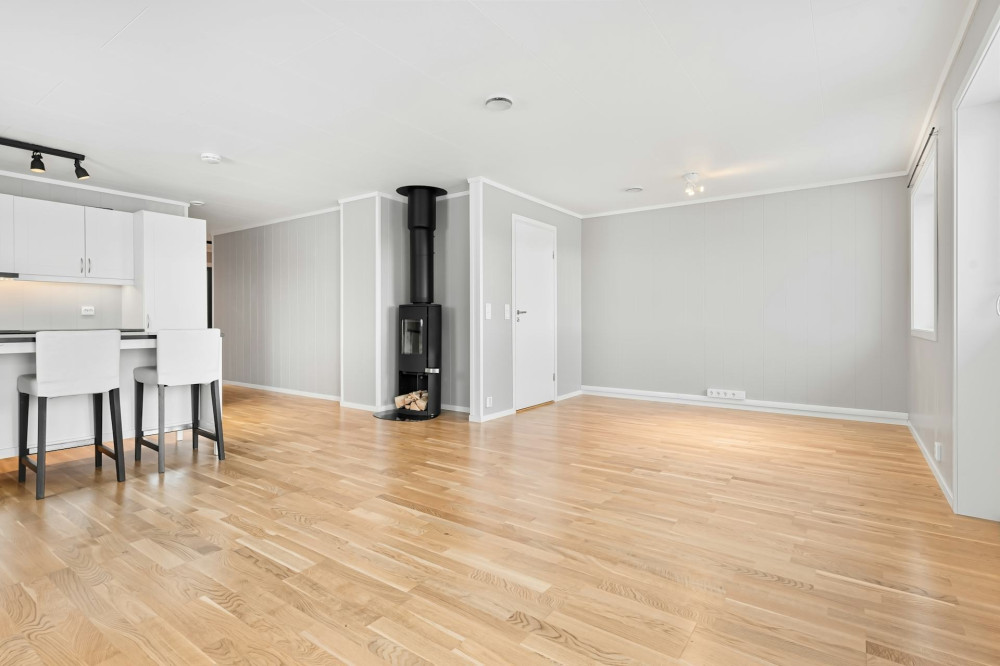
- Hardwood floors need gentle cleaning and minimal moisture. Too much water can cause warping or cracking.
- Laminate floors are more scratch-resistant but still sensitive to excess water.
- Vinyl and linoleum floors are easy to maintain but can be damaged by harsh chemicals.
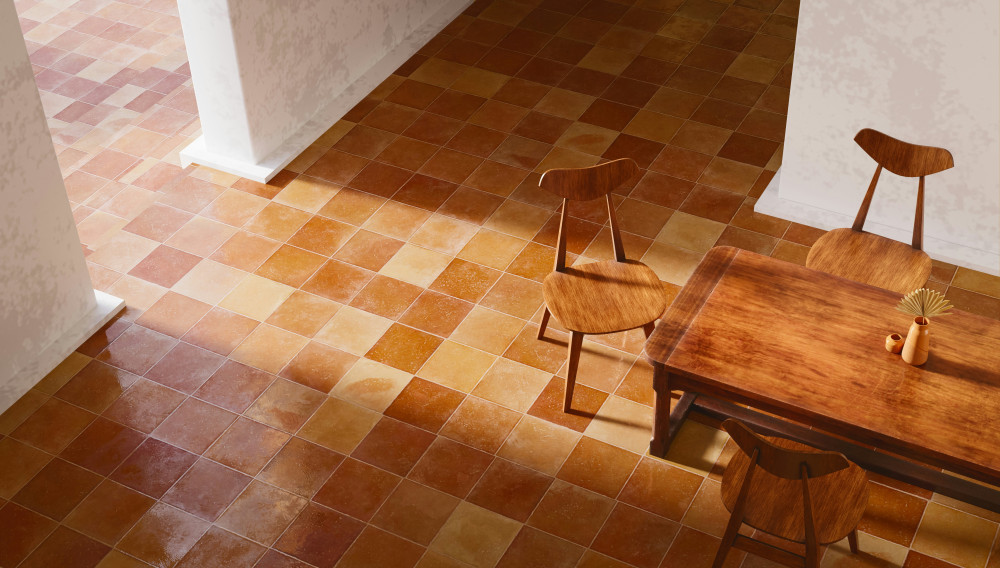
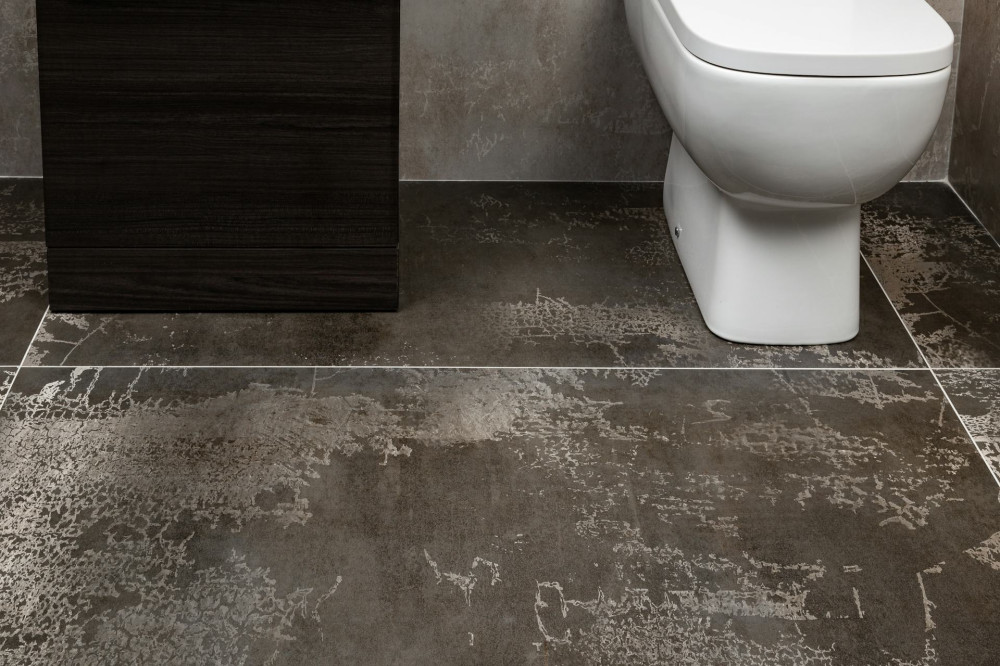
- Tile floors are durable, but grout lines can trap dirt and require regular attention.
Once you know your floor type, you can choose the right cleaning products and techniques — and avoid mistakes that shorten its life.
Daily Care – Small Habits, Big Results
The most effective floor care starts with daily habits. Simple routines can make a big difference over time.
- Sweep or vacuum regularly to remove grit and debris that can scratch the surface.
- Use doormats at every entrance — they can trap up to 80% of the dirt that would otherwise end up on your floors.
- Wipe up spills immediately, especially on wood floors, to prevent stains and water damage.
- Avoid abrasive brushes or harsh cleaners, which can dull or damage the finish.
These small steps take only a few minutes a day but can add years to your floor’s life.
Læs også:
Weekly and Monthly Cleaning
Beyond daily upkeep, your floors need a deeper clean on a regular schedule. Use a damp (not wet) mop and a mild cleaner designed for your specific flooring type.
- Hardwood: Use a pH-neutral wood cleaner and wring out your mop thoroughly. Avoid all-purpose cleaners that can strip the finish.
- Laminate: A lightly damp microfiber mop is usually enough. Skip waxes or polishes, which can leave a residue.
- Vinyl and linoleum: Use a gentle cleaner and rinse with clean water to remove soap buildup.
- Tile: Clean grout lines with a soft brush and mild detergent. Avoid acidic products that can erode grout.
A consistent cleaning routine not only keeps your floors looking great but also prevents long-term damage that can be costly to repair.
Protecting Against Wear and Scratches
Even the best cleaning routine can’t prevent wear if your floors aren’t protected. Fortunately, a few simple precautions go a long way.
- Attach felt pads to furniture legs to prevent scratches when moving chairs or tables.
- Use area rugs or runners in high-traffic zones like hallways and entryways.
- Avoid high heels and sharp objects that can dent or gouge the surface.
- Maintain the finish — whether it’s oil, polyurethane, or wax — according to the manufacturer’s recommendations.
A well-protected floor not only looks better but also requires less cleaning and maintenance over time.
When It’s Time for a Refresh
Even with great care, every floor eventually shows signs of wear. The good news is that many types can be renewed without replacement.
- Hardwood floors can be sanded and refinished to restore their original beauty.
- Vinyl and linoleum floors can be deep-cleaned and treated with a protective polish.
- Tile floors can be revitalized with professional grout cleaning or regrouting.
A little effort can bring your floors back to life and extend their service for many more years.
A Clean Floor Means a Healthier Home
Floor cleaning isn’t just about appearance — it’s also about health. Dust, dirt, and allergens can accumulate on floors and affect indoor air quality. Keeping your floors clean helps create a healthier environment for your family and pets.
By combining regular cleaning with mindful maintenance, you can preserve your floor’s beauty, durability, and comfort for years to come. It’s an investment that pays off in both the look and the longevity of your home.
Læs også: