Create Movement in a Space with Gradient Floors

Create Movement in a Space with Gradient Floors
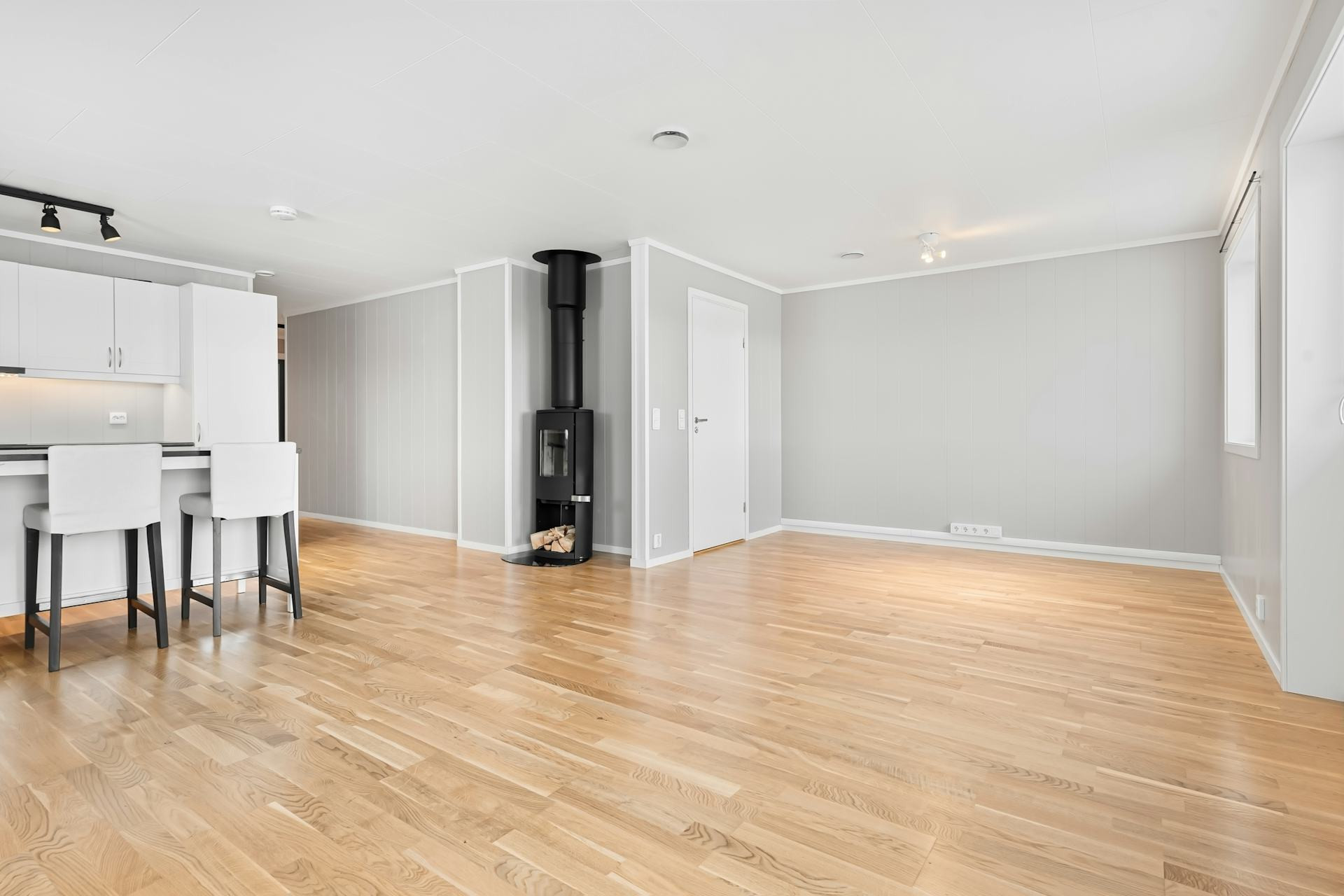
A floor is more than just a surface to walk on – it’s a key design element that shapes how a space feels and functions. With gradient floors, you can introduce a sense of motion, depth, and flow that transforms the atmosphere of a room. Whether you’re designing a home, office, or commercial space, a well-planned gradient can bring a modern, dynamic touch that feels both intentional and inspiring.
What Is a Gradient?
A gradient is a smooth transition between two or more colors. Instead of a sharp line dividing hues, the colors blend seamlessly into one another. This can be a subtle shift from light to dark tones of the same color or a bold transition between contrasting shades.
On a floor, gradients can guide the eye, define zones, or influence mood. A lighter tone at one end of a room can make it feel more open, while a darker tone at the other end can add grounding and warmth.
Using Color to Create Spatial Flow
Color has a powerful effect on how we perceive space. A gradient floor can visually expand, shorten, or balance a room depending on how it’s applied. Here are a few ways to use gradients strategically:
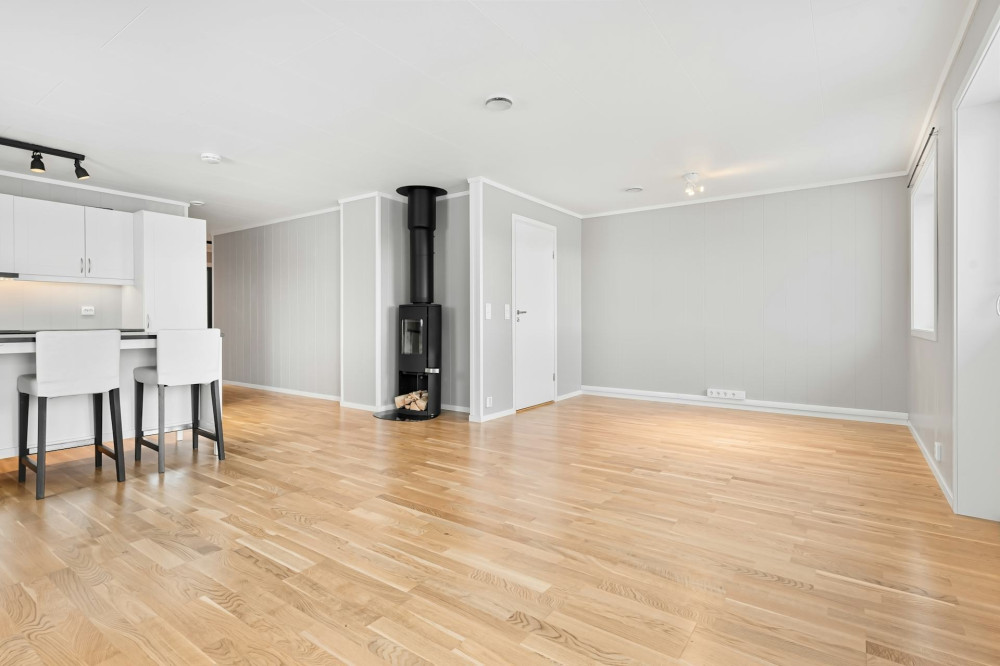
- Light to dark: A transition from light to dark tones can create a sense of forward movement or depth – ideal for hallways or open-plan areas.
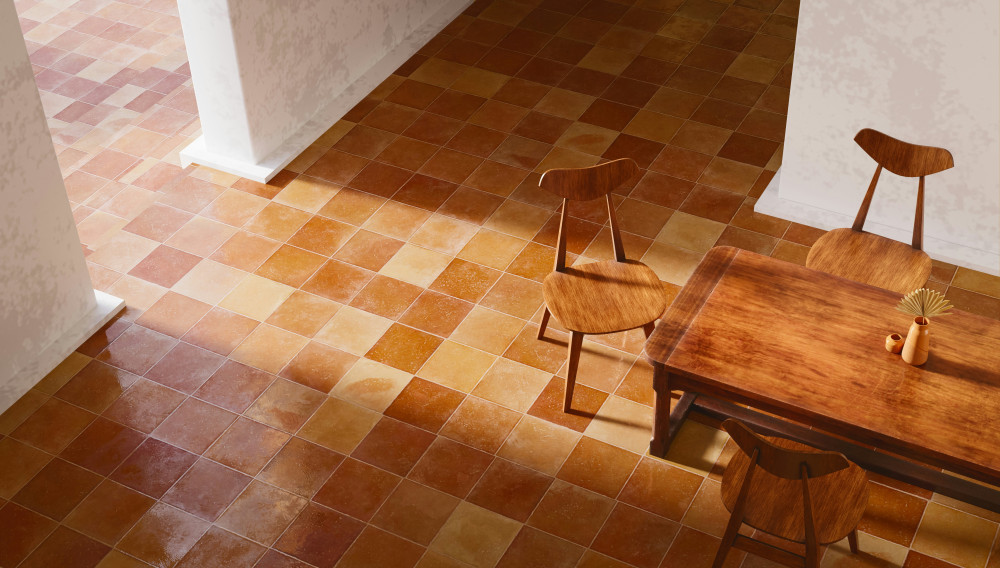
- Cool to warm: Shifting from cool grays or blues to warm beiges or terracottas can bring energy and comfort to a space.
- Monochromatic play: Working with shades of a single color creates a calm yet dynamic look that fits well in minimalist or contemporary interiors.
Materials That Work Well for Gradient Floors
Not every flooring type lends itself equally to gradients, but there are plenty of options depending on your style, budget, and maintenance preferences.
- Epoxy floors allow for fluid color blending, where pigments can be swirled together to create unique transitions and patterns.
- Vinyl and linoleum are available in planks or sheets with pre-designed gradients, making installation straightforward and consistent.
- Carpet tiles can be arranged in varying shades to form a visual flow – perfect for offices, hotels, or creative studios.
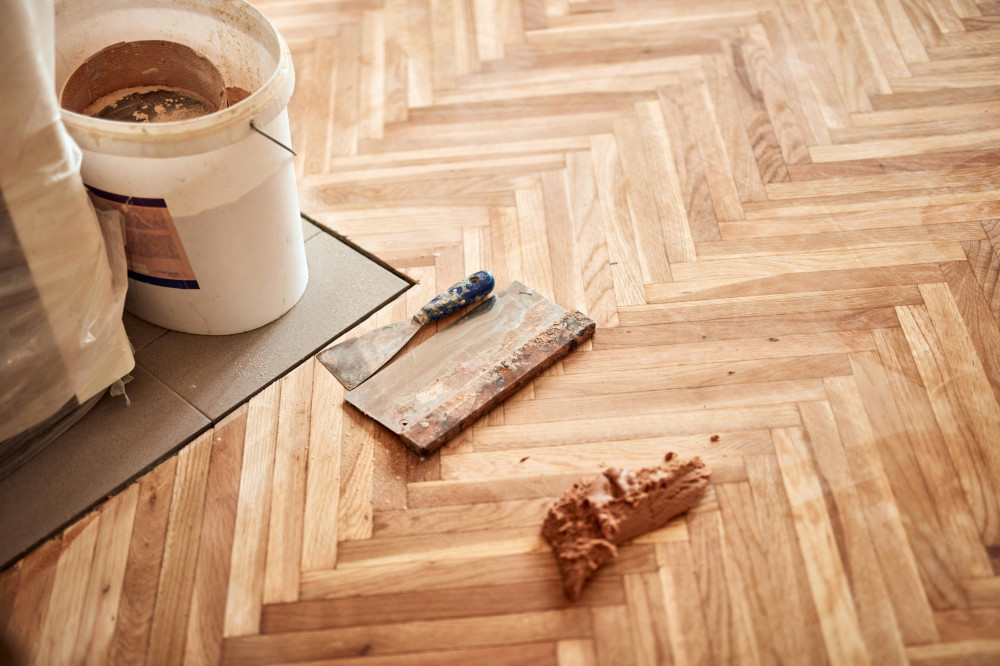
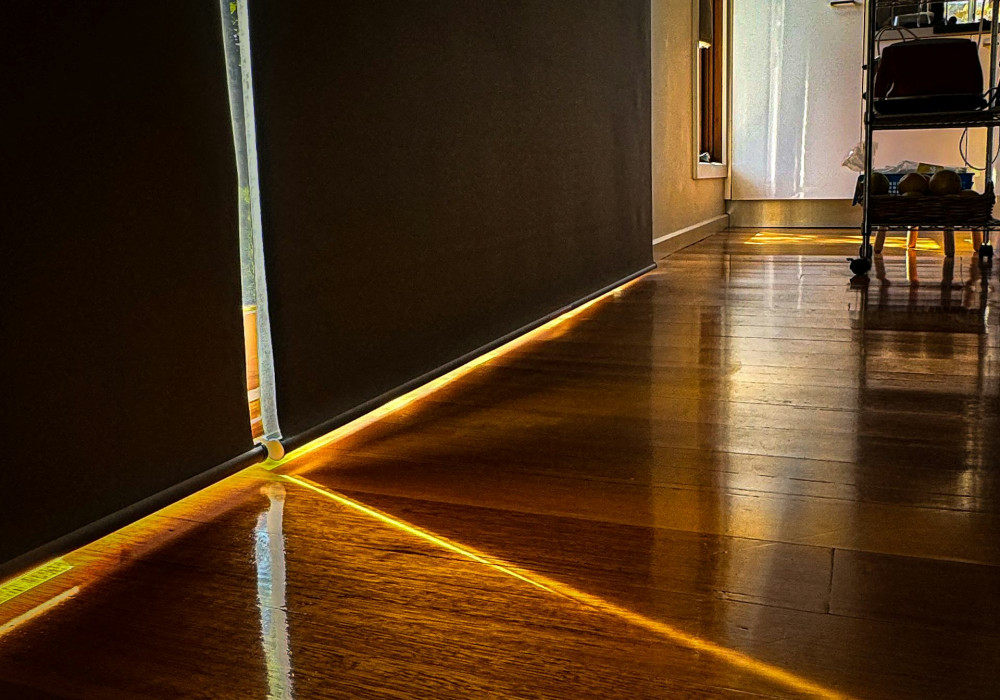
- Wood floors can be stained in gradually changing tones, creating a handcrafted gradient effect that feels organic and warm.
Planning Your Gradient Design
A successful gradient floor starts with thoughtful planning. Consider the mood you want to evoke and how natural and artificial light interact with the colors throughout the day. Always test samples in the actual space before committing.
- Choose your palette – two or three colors are usually enough. Too many can make the floor look busy.
- Decide on direction – will the gradient run lengthwise, across, or diagonally?
- Test before applying – especially for paint or epoxy, where blending can produce unexpected results.
- Think holistically – the floor should complement walls, furniture, and lighting for a cohesive look.
Gradients as a Zoning Tool
In open spaces, gradients can subtly define different areas without the need for partitions. A gentle shift from a darker tone under a dining area to a lighter one in a living zone can create a natural division. In offices, gradient flooring is often used to mark pathways, meeting zones, or collaborative areas – a design solution that’s both aesthetic and functional.
Maintenance and Durability
A gradient floor doesn’t necessarily require more upkeep than a solid-colored one, but quality materials are key. Protective finishes like sealants, wax, or epoxy coatings help preserve color vibrancy and guard against wear and UV exposure. For carpet or vinyl, regular cleaning will keep the colors fresh and the transitions crisp.
Læs også:
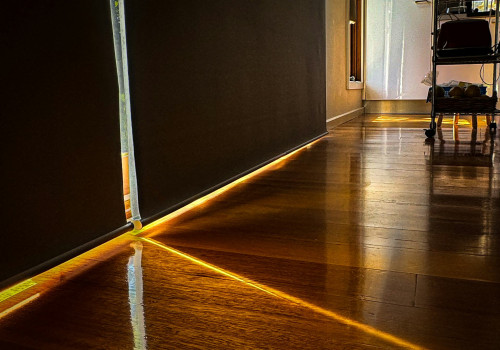
A Floor That Brings a Space to Life
Gradient floors introduce movement and energy into a room without overwhelming it. They can calm, direct, or surprise – depending on how they’re used. The key is to view the floor not as a background, but as an active design feature.
When colors flow beneath your feet, the space itself seems to come alive – as if it’s in motion, guiding you through its story.
Læs også: