Classic Tiles in Modern Homes – A Timeless Trend

Classic Tiles in Modern Homes – A Timeless Trend
For generations, classic tiles have been a staple in American homes — from the black-and-white checkerboard floors of early 20th-century kitchens to the glossy subway tiles that defined mid-century bathrooms. Today, these timeless materials are making a strong comeback, seamlessly blending with contemporary design. The result is a style that bridges nostalgia and modernity, proving that craftsmanship and enduring design never go out of fashion.
Aesthetic Heritage with a Story
Classic tiles carry a rich history. Originally valued for their durability and easy maintenance, they soon became a symbol of taste and refinement. Homeowners today are rediscovering their charm, choosing vintage-inspired patterns and handcrafted finishes to add depth and character to modern interiors.
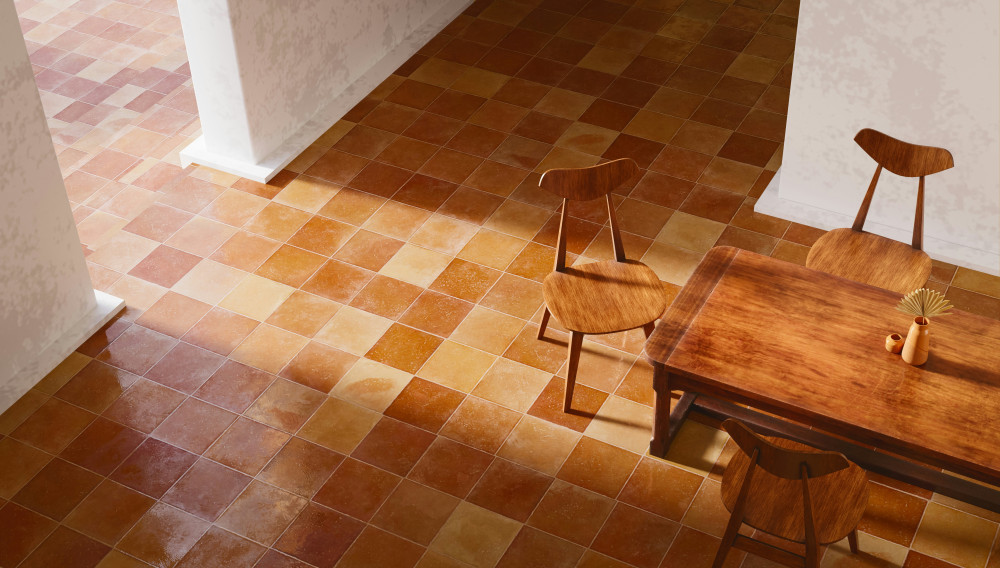
Among the most popular are handmade cement tiles and traditional subway tiles. Their tactile surfaces and subtle imperfections bring warmth and authenticity to spaces that might otherwise feel too sleek or industrial. Whether used in a historic brownstone renovation or a new suburban build, these tiles add a sense of continuity — a link between past and present.
Blending Old and New
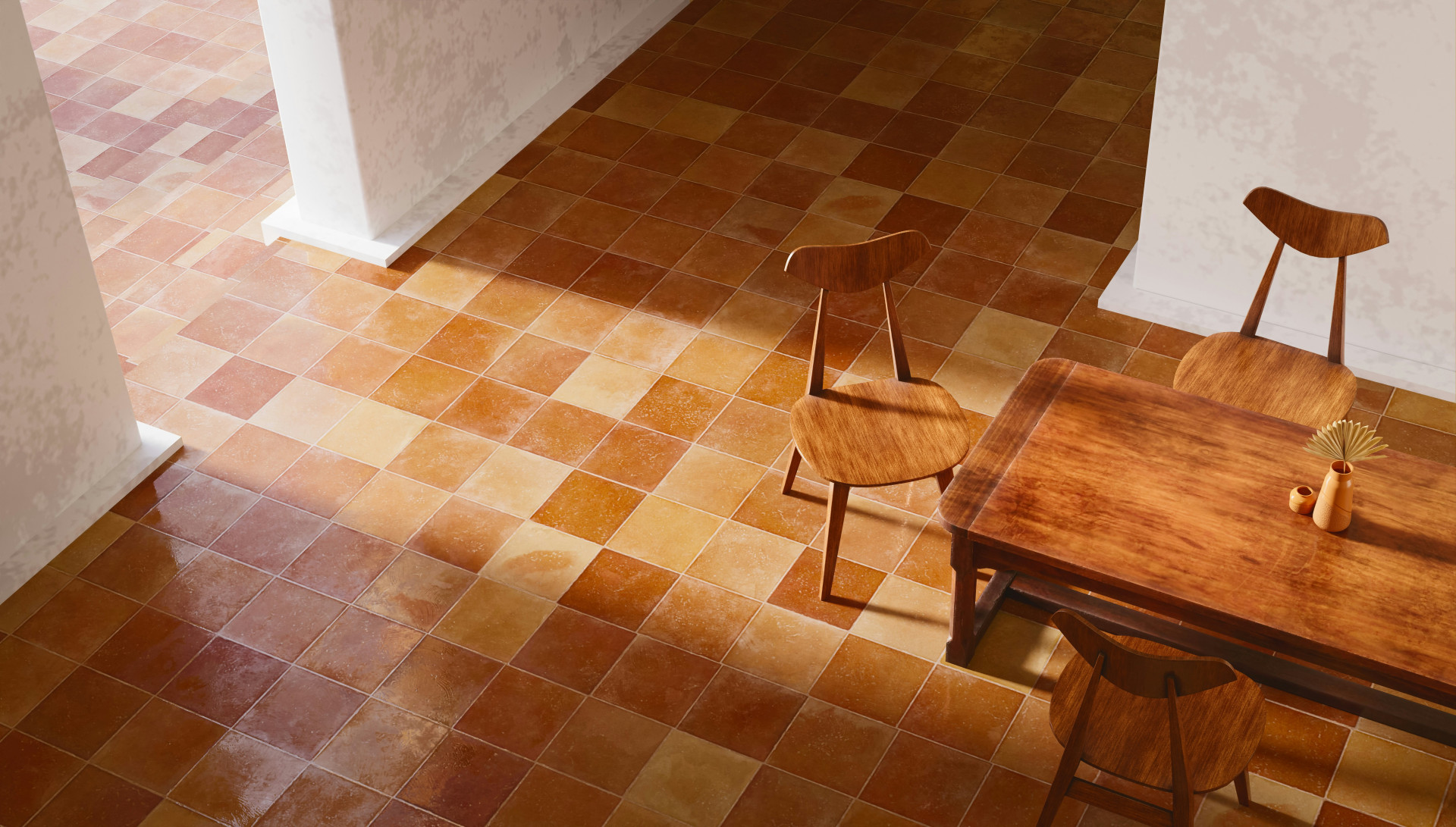
One of the strongest trends in interior design today is the deliberate mix of old and new. Classic tiles are often paired with modern materials like concrete, glass, and stainless steel to create contrast and balance. In kitchens, for example, a minimalist cabinet design gains personality when paired with a patterned tile floor or a colorful backsplash.
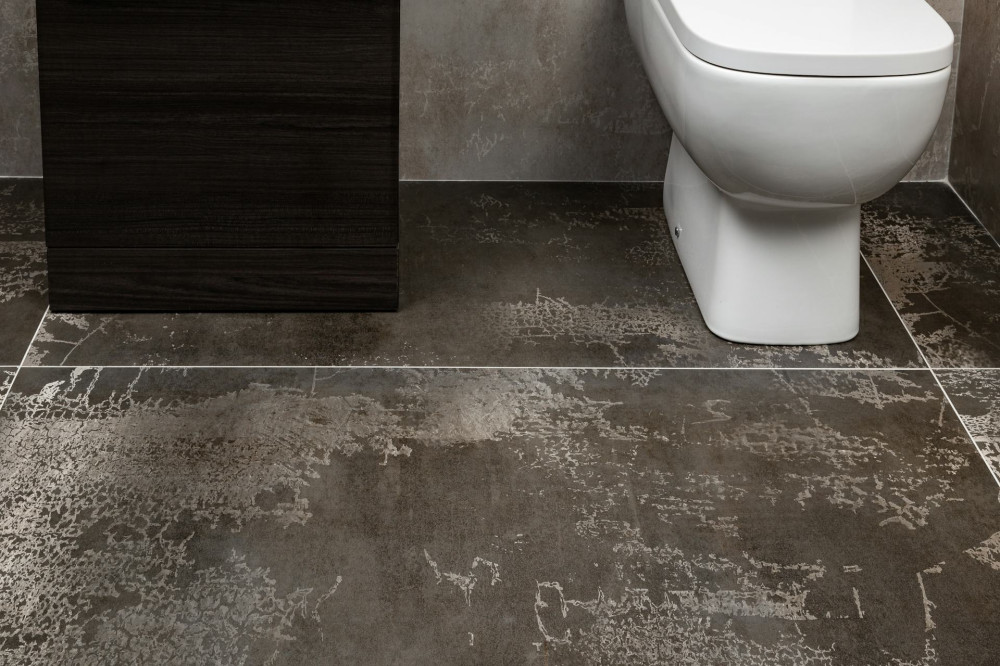
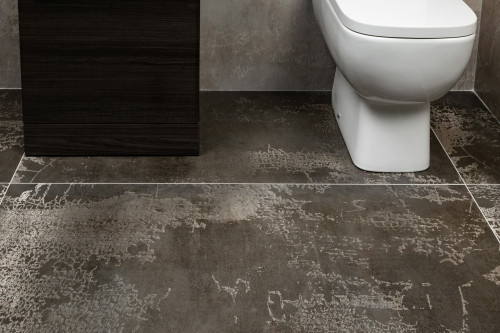
In bathrooms, classic tiles can evoke a spa-like calm. White subway tiles combined with dark slate or marble floors create a timeless look that feels both elegant and easy to maintain. The key is harmony — allowing the tiles to serve not just as a practical surface, but as a defining element of the room’s aesthetic.
Durability and Sustainability
Beyond their visual appeal, classic tiles offer practical and sustainable benefits. They are exceptionally durable, easy to clean, and can last for decades with minimal upkeep. This longevity makes them an eco-friendly choice in an era when many homeowners are seeking materials that stand the test of time.
Natural stone, terracotta, and ceramic tiles are made from organic materials, and many U.S. manufacturers now emphasize sustainable production methods. Choosing classic tiles can therefore be both a design statement and an environmentally responsible decision.
Læs også:
Color, Pattern, and Personality
While classic tiles are often associated with neutral tones and traditional motifs, today’s homeowners are embracing creativity. Geometric layouts, bold color combinations, and custom patterns allow for endless possibilities. Tiles can serve as a focal point — a decorative wall in an entryway, a vibrant backsplash behind the stove, or a patterned floor that enlivens an otherwise minimalist space.
This freedom to experiment means tiles are no longer just a background element; they’re a way to express individuality and style. Whether you prefer the elegance of marble mosaics or the charm of hand-painted ceramics, there’s a classic tile to match every personality.
A Lasting Design Movement
The resurgence of classic tiles in modern homes is more than a passing trend. It reflects a broader movement toward quality, authenticity, and timeless design. In a world that often feels fast-paced and disposable, these materials offer a sense of permanence and calm.
Whether you live in a downtown loft, a Craftsman bungalow, or a newly built home, classic tiles can help create a connection between eras — a reminder that true style endures. After all, great design doesn’t have to be new to feel modern.
Læs også: