Wood and Paint – Understanding How the Materials Interact

Wood and Paint – Understanding How the Materials Interact
When you paint wood, it’s not just about color and style – it’s also about protection and preservation. Wood and paint influence each other in ways that can either extend or shorten the life of your project. To achieve a beautiful and durable finish, it’s important to understand how the natural properties of wood interact with the type of paint you choose, and how proper surface preparation makes all the difference.
The Nature of Wood – A Living Material
Wood is an organic, living material that responds to moisture, temperature, and sunlight. It expands when it absorbs moisture and contracts as it dries. This constant movement means that the paint layer must be flexible enough to move with the wood without cracking or peeling.
Different wood species behave differently:
- Pine and cedar are softwoods that absorb paint readily, requiring thorough priming and sealing.
- Oak and mahogany contain natural tannins and oils that can affect paint adhesion and cause discoloration if not properly sealed.
- Pressure-treated lumber must be completely dry before painting, as residual moisture can prevent the paint from bonding.
Knowing the type and condition of your wood is the first step toward a lasting finish.
The Role of Paint – Protection and Expression
Paint does more than add color. It acts as a protective barrier against sunlight, rain, mold, and dirt. But not all paints protect in the same way.
- Breathable paints (such as certain acrylic latex or linseed oil formulations) allow moisture vapor to escape from the wood, reducing the risk of blistering and peeling.
- Non-breathable paints (like traditional oil-based or alkyd paints) create a dense, glossy surface that can trap moisture if the wood isn’t completely dry.
Your choice depends on where the wood is located. Exterior woodwork needs paint that can withstand weather extremes, while interior wood can be finished with products that emphasize appearance and cleanability.
Preparation – The Key to Durability
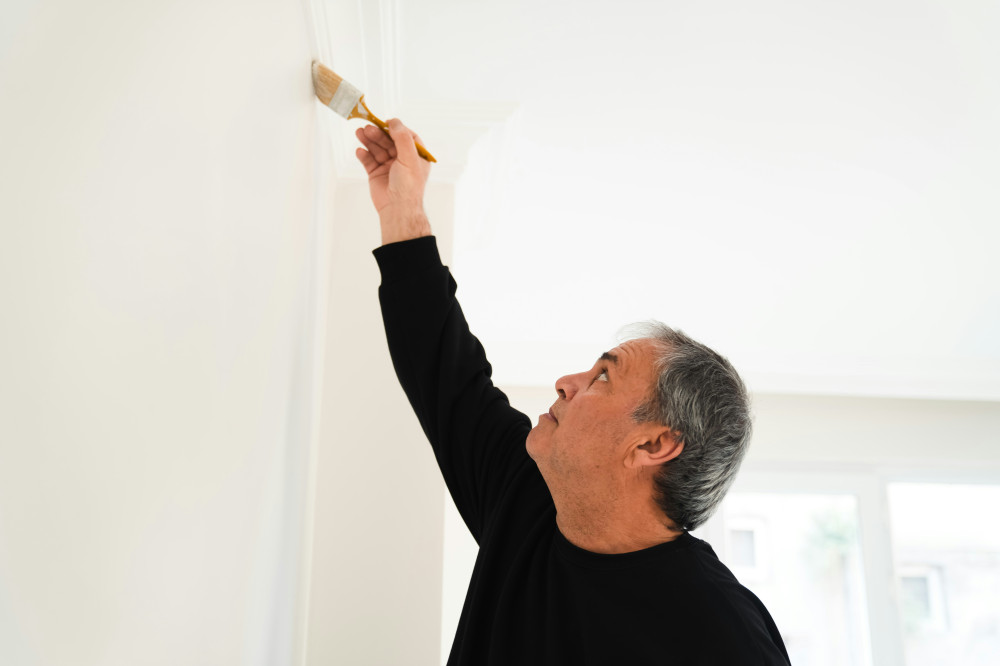
Even the best paint can’t compensate for poor preparation. Proper prep ensures that the paint adheres well and protects the wood effectively.
- Clean the surface – Remove dirt, mildew, and loose paint with a brush, scraper, or wood cleaner.
- Sand lightly – This opens the wood’s pores and improves adhesion.
- Check moisture content – Wood should be dry (below about 15% moisture) before painting.
- Prime properly – Use a wood primer or sealer, especially on new or bare wood.
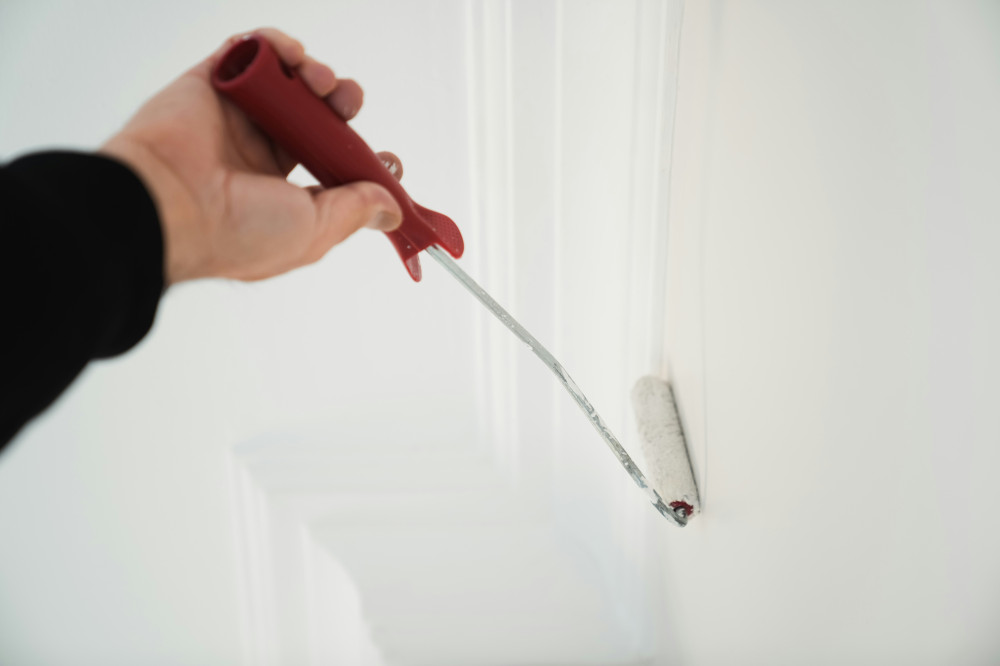
- Apply thin coats – Two thin coats are better than one thick one, allowing the paint to cure evenly.
When Wood and Paint Work Together – and When They Don’t
A successful paint job is all about balance. If the paint film is too tight, moisture from inside the wood can cause it to blister or peel. If it’s too open, water from the outside can penetrate and lead to rot. That’s why it’s essential to choose products that complement each other – and the environment they’ll face.
Take exterior windows, for example: the paint must protect against rain while allowing interior moisture to escape. A flexible, breathable paint is ideal here. Indoors, where wood isn’t exposed to the elements, you can focus more on appearance and durability – for instance, using a semi-gloss acrylic on trim and doors for easy cleaning.
Læs også:
Maintenance – The Overlooked Factor
Even the best paint job needs maintenance. Sun, rain, and temperature changes gradually break down the surface, and small cracks can quickly turn into bigger problems if ignored.
Inspect your woodwork once a year:
- Are there signs of peeling or discoloration?
- Has the surface become dull or rough?
- Is there evidence of moisture or mildew?
A quick cleaning and touch-up coat can significantly extend the life of your finish – and save you from costly repairs later.
A Partnership That Requires Understanding
Painting wood isn’t just a task; it’s a relationship between two materials. When you choose the right paint, prepare the surface properly, and maintain it regularly, wood and paint work together instead of against each other. The result is a finish that’s not only beautiful but also strong, resilient, and built to last – indoors and out.
Læs også: