Paint at a Steady Pace – and Achieve a Beautiful Result

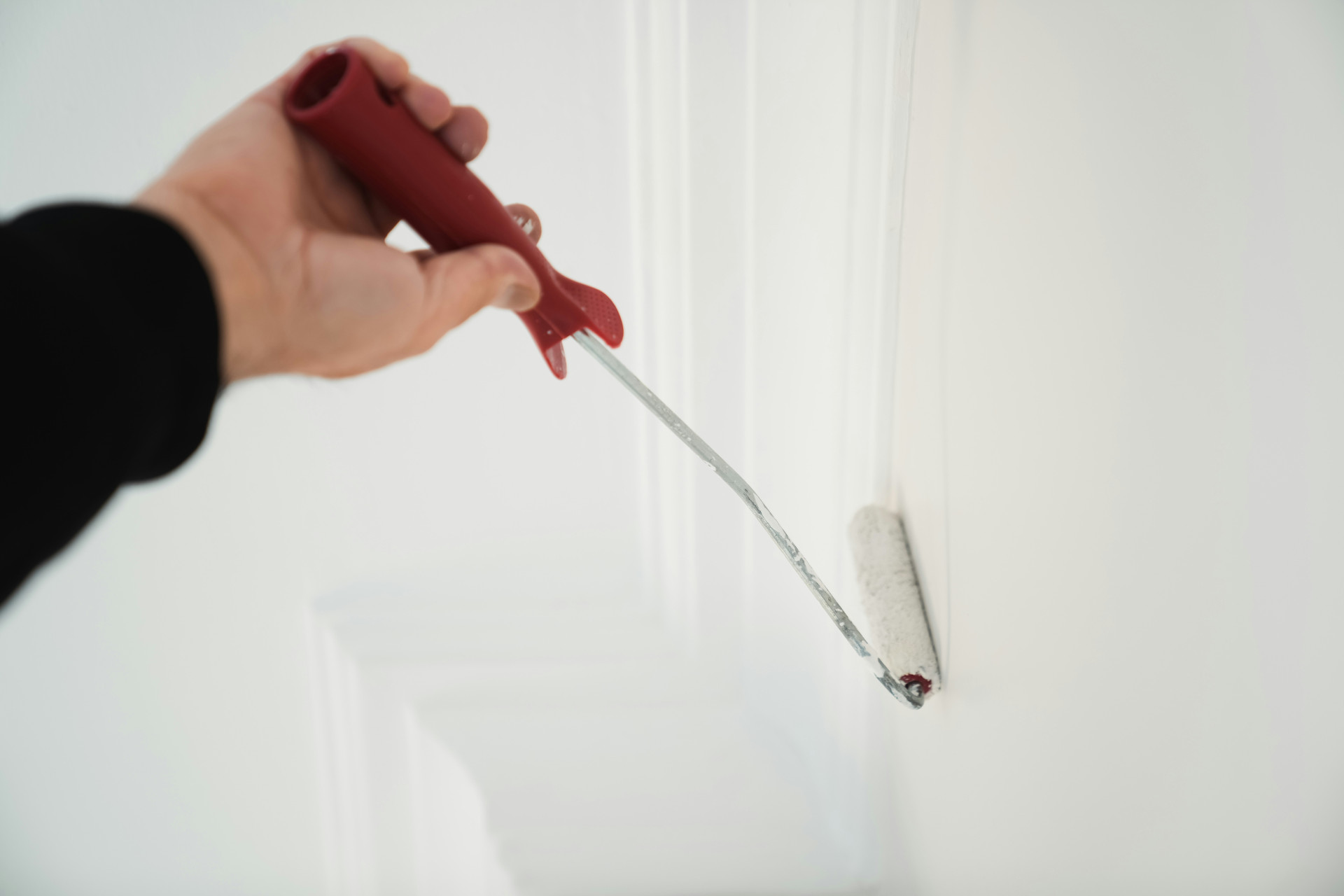
Paint at a Steady Pace – and Achieve a Beautiful Result
When it comes to painting, success isn’t just about choosing the right color or brush—it’s also about finding the right pace. A steady rhythm helps the paint go on evenly, prevents visible lines, and gives your walls or trim a smooth, professional finish. Whether you’re painting a bedroom, a ceiling, or a set of cabinets, your tempo can make all the difference. Here’s how to keep your pace steady and your results beautiful.
Preparation Sets the Tone
A calm, consistent pace starts long before you open the paint can. Make sure your space is ready so you won’t have to stop mid-project. Move furniture away from the walls, cover floors with drop cloths, remove outlet covers, and gather all your tools—brushes, rollers, trays, and painter’s tape—before you begin.
When everything is in place, you can focus on painting without interruptions. Rushing or stopping frequently can lead to uneven coverage and visible seams, so a little preparation goes a long way.
Find Your Rhythm—and Keep It
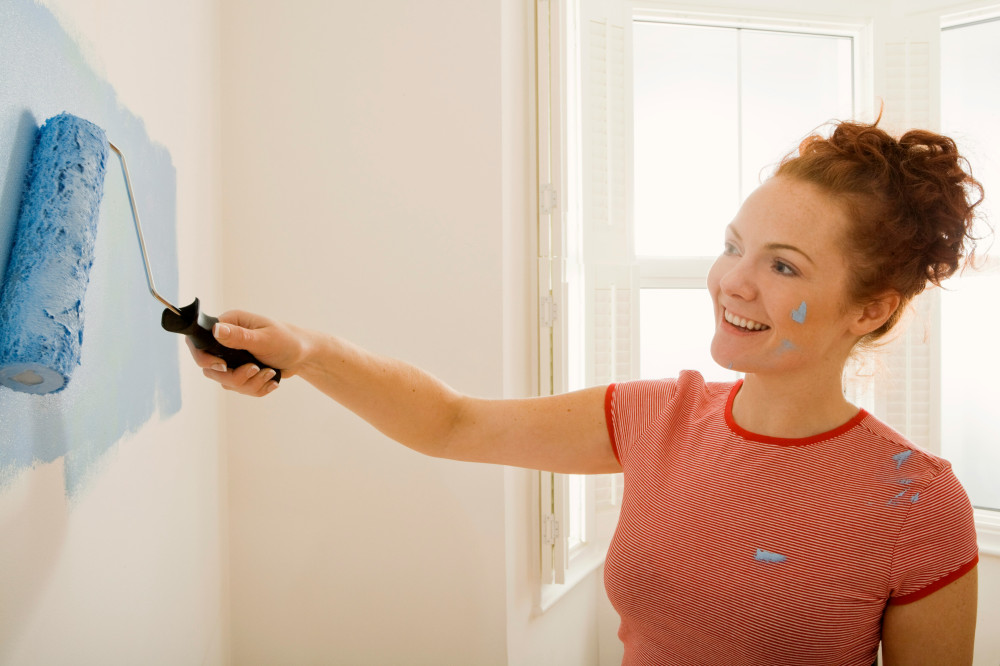
Painting too quickly can leave streaks and thin spots, while moving too slowly can cause the paint to dry before you’ve blended your strokes. The key is to find a rhythm that feels natural and allows you to maintain a wet edge.
Work in sections about three to four square feet at a time. This helps you keep track of where you’ve painted and ensures that each section blends smoothly into the next. Use long, overlapping strokes, and avoid going back over areas that have already started to dry—doing so can create dull patches or uneven sheen.
Choose the Right Tools
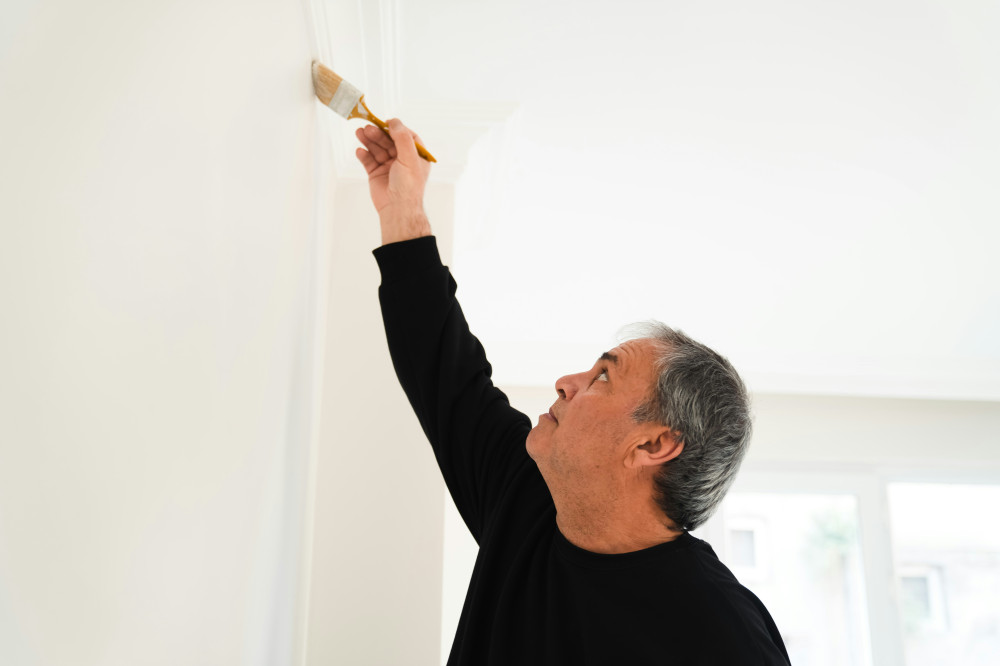
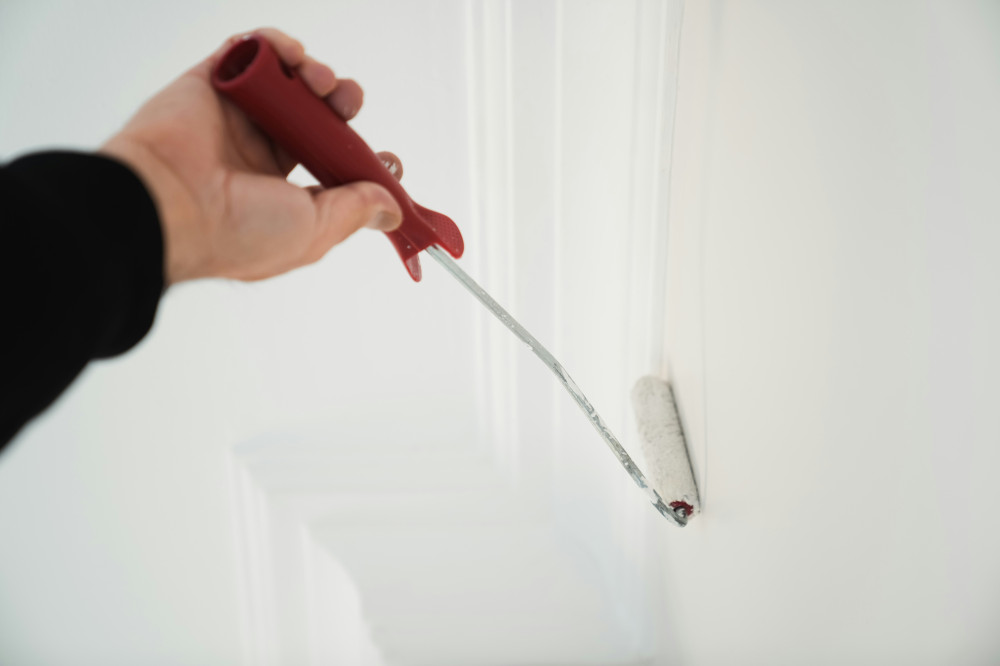
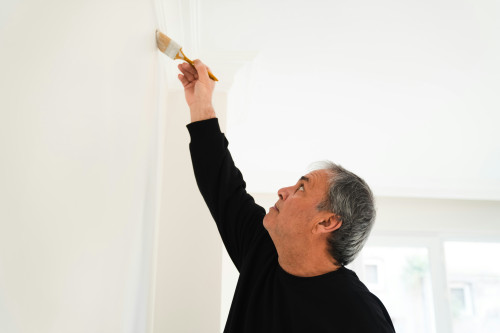
Your pace is closely tied to your tools. A quality roller with the right nap length for your surface—short for smooth walls, longer for textured ones—helps you apply paint evenly and efficiently. For edges and corners, use an angled brush that gives you control without slowing you down.
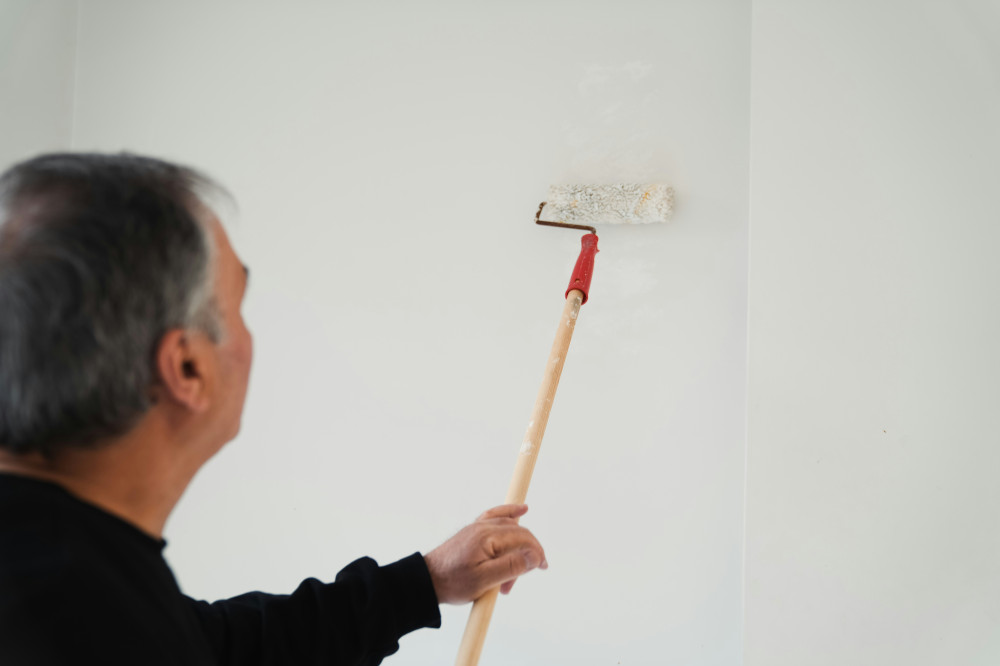
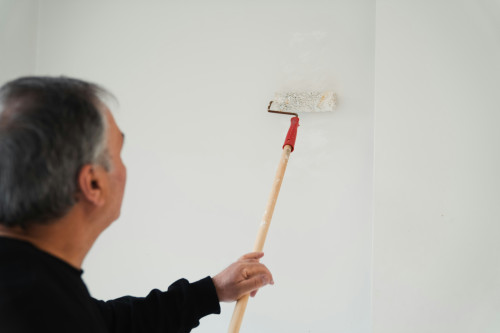
If you’re painting large walls or ceilings, consider using an extension pole. It improves your reach and helps you maintain a steady, comfortable motion without overexerting yourself.
Don’t Pause Midway
One of the most common mistakes is stopping in the middle of a wall. When paint dries unevenly, it can leave visible lap marks, especially with darker colors or glossy finishes. Plan your work so you can complete an entire wall or section in one go. If you must take a break, stop at a natural break point—like a corner, window frame, or door trim—where the transition won’t be noticeable.
Læs også:
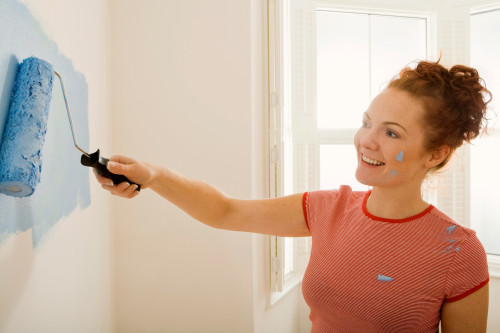
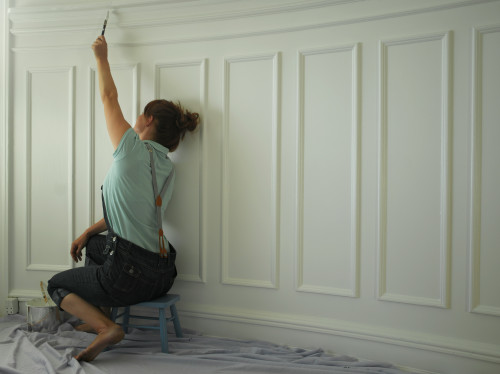
Watch the Light and Temperature
Both light and temperature affect how paint behaves. In warm or dry conditions, paint dries faster, so you’ll need to move a bit quicker to keep a wet edge. In cooler or more humid environments, you can take your time. Always make sure the room is well-lit so you can see where you’ve painted and catch any missed spots before the paint dries.
Finish with Patience
Once you’ve finished a coat, resist the urge to start the next one right away. Let the paint dry completely according to the manufacturer’s instructions. Applying a new coat too soon can pull up the first layer and ruin the smooth finish you’ve worked for.
In the end, great painting is about balance—between preparation and execution, between speed and patience. When you find your steady pace, the process becomes easier, and the results speak for themselves: clean, even, and beautifully finished surfaces that make your space shine.
Læs også: