When Sustainability Becomes Part of the Home’s Aesthetic


When Sustainability Becomes Part of the Home’s Aesthetic
Sustainability at home is no longer just about saving energy or reducing waste—it has become a defining element of modern design and lifestyle. What once meant compromising on style for the sake of the environment now represents a seamless blend of beauty, comfort, and responsibility. From reclaimed materials and natural tones to energy-efficient systems that complement architecture, sustainability has evolved into an expression of both ethics and elegance.
From Function to Form—and Back Again
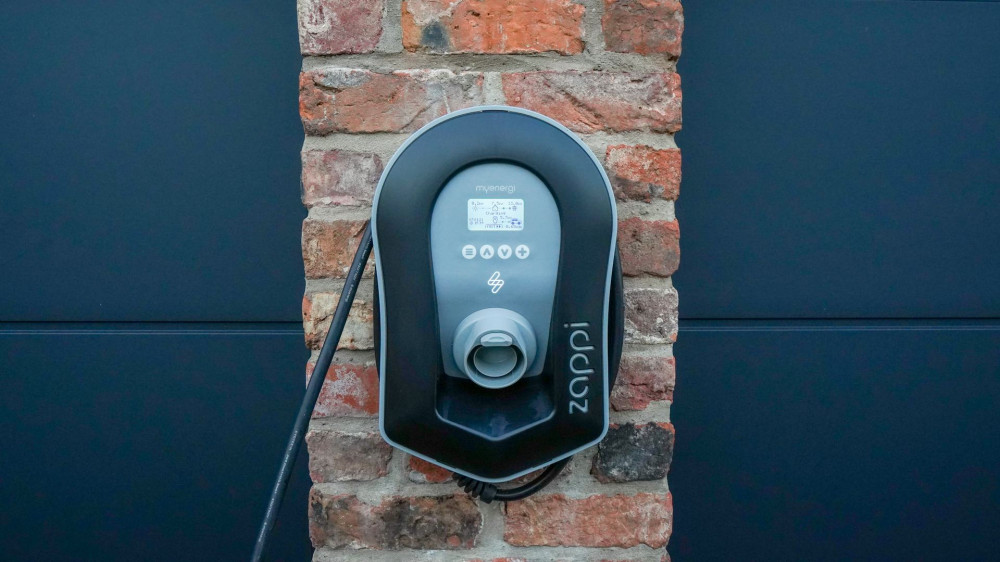
For years, sustainable choices in the home were driven primarily by function: lower utility bills, reduced carbon footprints, and healthier indoor air. But as technology and design have advanced, aesthetics have caught up. Solar panels can now be integrated into roofing materials, nearly invisible to the eye, and heat pumps come in sleek, minimalist designs that fit both contemporary and traditional homes.
The same is true for materials. Wood, clay, hemp, and recycled metals are valued not only for their environmental benefits but also for their tactile and visual appeal. They bring warmth, texture, and authenticity—qualities many homeowners crave in a world that often feels fast-paced and artificial.
Læs også:




Decorating with Intention
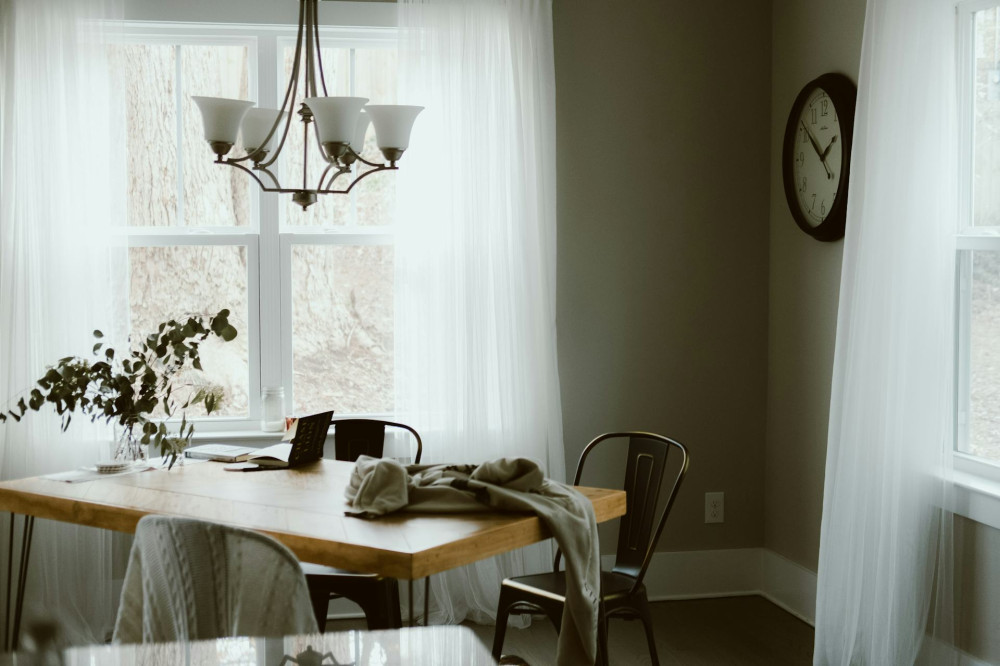
Sustainable interior design is also about mindful choices. Instead of replacing furniture and décor with every new trend, more Americans are investing in timeless, high-quality pieces built to last. A solid oak dining table that gains character over time or a lamp designed to be repaired rather than discarded reflects a shift toward durability and emotional connection.
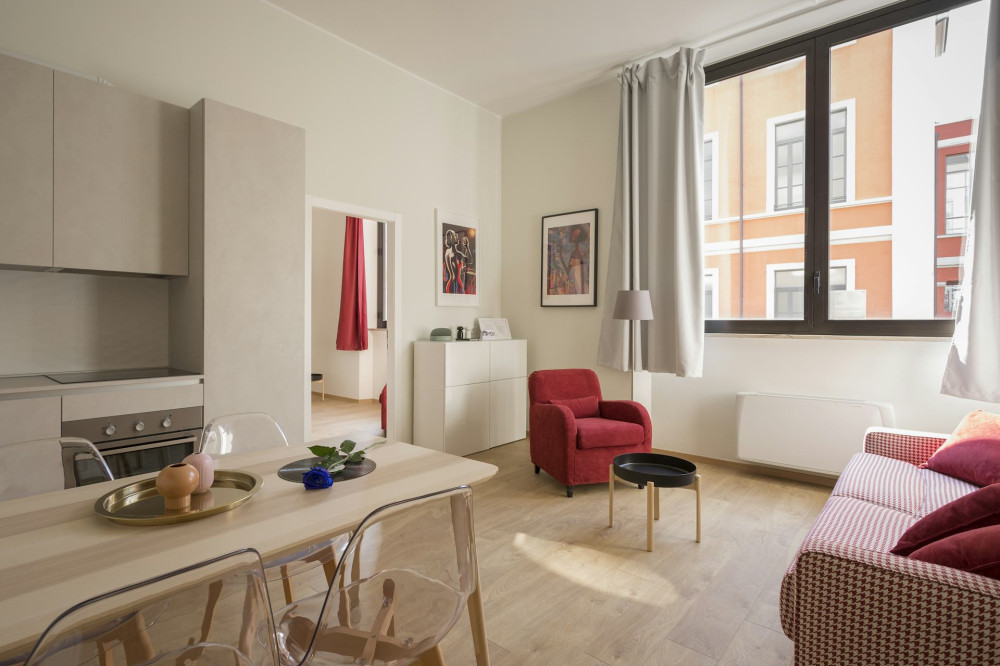
Upcycling and vintage finds have gained new prestige. A mid-century dresser can be refinished to suit a modern space, and family heirlooms can be mixed with contemporary design for a look that feels both personal and enduring. The goal isn’t perfection—it’s conscious decision-making that pleases both the eye and the conscience.
Balancing Energy and Aesthetics
Technology plays a central role in sustainable living, but it doesn’t have to dominate the look of a home. Smart energy systems can be integrated subtly, supporting the home’s design rather than disrupting it. Intelligent lighting, for example, can adjust automatically to natural daylight, creating a comfortable atmosphere while conserving energy.
Insulation and ventilation can also be part of the design story. Natural materials like cellulose or clay plaster contribute to a healthy indoor climate while adding organic texture and warmth. In this way, energy efficiency and aesthetics become two sides of the same coin.
The Personal Dimension
A sustainable home is not just about materials and technology—it’s also about lifestyle. Many people find that living more consciously brings a sense of calm and purpose. Surrounding oneself with meaningful objects, chosen with care, gives a home depth and identity.
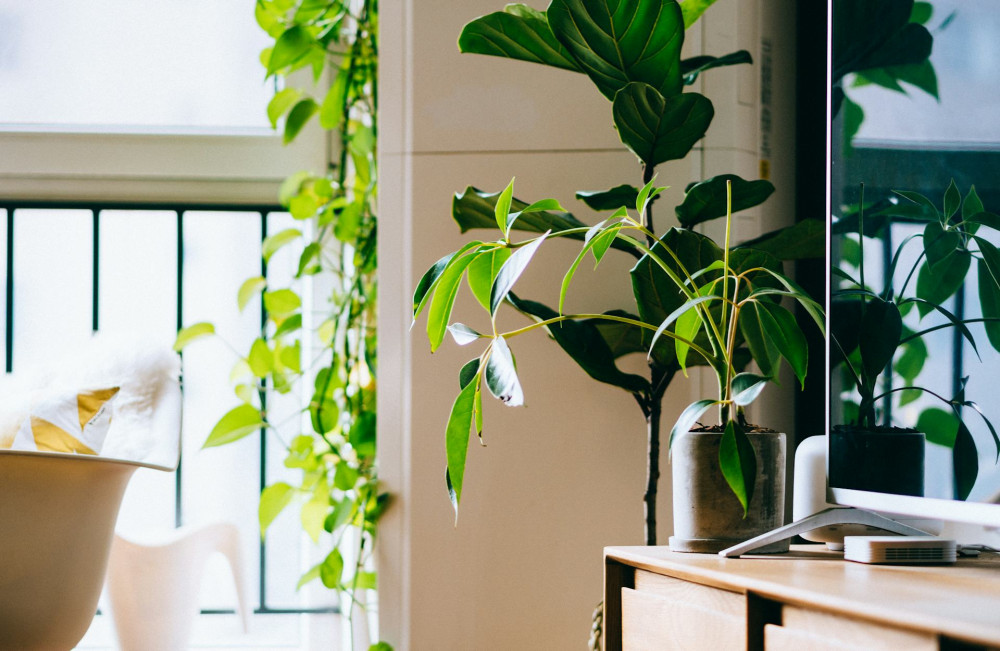
It can be as simple as growing herbs on a kitchen windowsill, choosing locally crafted furniture, or decorating with colors inspired by nature. Small steps like these add up to a home where beauty and sustainability coexist naturally.
A Home with a Future
Making sustainability part of a home’s aesthetic is not a passing trend—it’s a movement toward a more thoughtful and balanced way of living. It’s about creating spaces that are beautiful, functional, and in harmony with their surroundings—homes built to last for generations.
When sustainability becomes an inherent part of design, it’s no longer a choice between green and gorgeous. It becomes a unified vision where responsibility and beauty meet—and where the home itself becomes a quiet statement of care for the world we live in.
Læs også: