Thinking About a Heat Pump? Here’s What You Should Know

Thinking About a Heat Pump? Here’s What You Should Know
In recent years, heat pumps have become one of the most talked‑about alternatives to traditional furnaces and air conditioners in American homes. They promise lower energy bills, reduced carbon emissions, and year‑round comfort. But what exactly does switching to a heat pump involve—and is it the right choice for your home? Here’s a clear overview of what you should know before making the investment.
What Is a Heat Pump?
A heat pump moves heat rather than generating it. In winter, it extracts warmth from the air or ground outside and transfers it indoors. In summer, the process reverses, pulling heat out of your home to keep it cool. Because it moves heat instead of creating it by burning fuel, it can be far more efficient than conventional systems.
There are three main types:
- Air‑source heat pump – The most common type, it draws heat from the outdoor air. Modern models can work efficiently even in cold climates.
- Ground‑source (geothermal) heat pump – Uses buried loops to capture heat from the ground. It’s extremely efficient but requires more space and a higher upfront cost.
- Ductless mini‑split system – Ideal for homes without ductwork or for room‑by‑room control. Each indoor unit connects to an outdoor compressor.
Læs også:

Benefits of a Heat Pump
There are several reasons homeowners across the U.S. are making the switch:
- Lower energy bills – A heat pump can deliver three to four units of heating or cooling for every unit of electricity it consumes, often cutting heating costs by 30–60% compared to electric resistance or oil systems.
- Year‑round comfort – One system provides both heating and cooling, simplifying maintenance and saving space.
- Reduced carbon footprint – Because it uses electricity rather than burning fossil fuels, a heat pump can significantly lower your home’s greenhouse gas emissions—especially if your electricity comes from renewable sources.
- Less maintenance – Compared to combustion systems, heat pumps require fewer service visits and no fuel deliveries.
Drawbacks and Considerations
While heat pumps offer many advantages, there are a few things to keep in mind:
- Higher upfront cost – Installation can range from $8,000 to $20,000 or more, depending on the system type and your home’s size.
- Efficiency depends on climate – In very cold regions, performance can drop, though newer cold‑climate models have improved dramatically.
- Electricity prices matter – Because heat pumps run on electricity, your savings depend on local utility rates.
- Home insulation – To get the best results, your home should be well insulated and air‑sealed.
What Does It Cost—and What Can You Save?
The total cost depends on the system type, your home’s layout, and whether you need new ductwork. Air‑source systems are generally the most affordable, while geothermal systems cost more but offer the highest efficiency and longest lifespan.
Many homeowners find that the energy savings offset the initial investment within 5–10 years. If you’re replacing an oil, propane, or electric resistance system, the payback can be even faster.
Incentives and Tax Credits
Federal and state programs can make heat pumps more affordable. Under the Inflation Reduction Act, homeowners may qualify for:
- Federal tax credits of up to 30% of the installation cost (up to $2,000 for qualifying heat pumps).
- Rebates for low‑ and moderate‑income households, available through state energy offices.
- Utility incentives, which vary by region and can include cash rebates or discounted electricity rates.
Check with your local utility or state energy department to see what’s available in your area.
Choosing the Right System
Before you decide, it’s wise to have a qualified HVAC contractor or energy auditor evaluate your home. They can calculate your heating and cooling loads, assess insulation levels, and recommend the most efficient system for your climate.
Consider:
- Whether you need both heating and cooling.
- The available space for outdoor units or ground loops.
- Your home’s existing ductwork and electrical capacity.
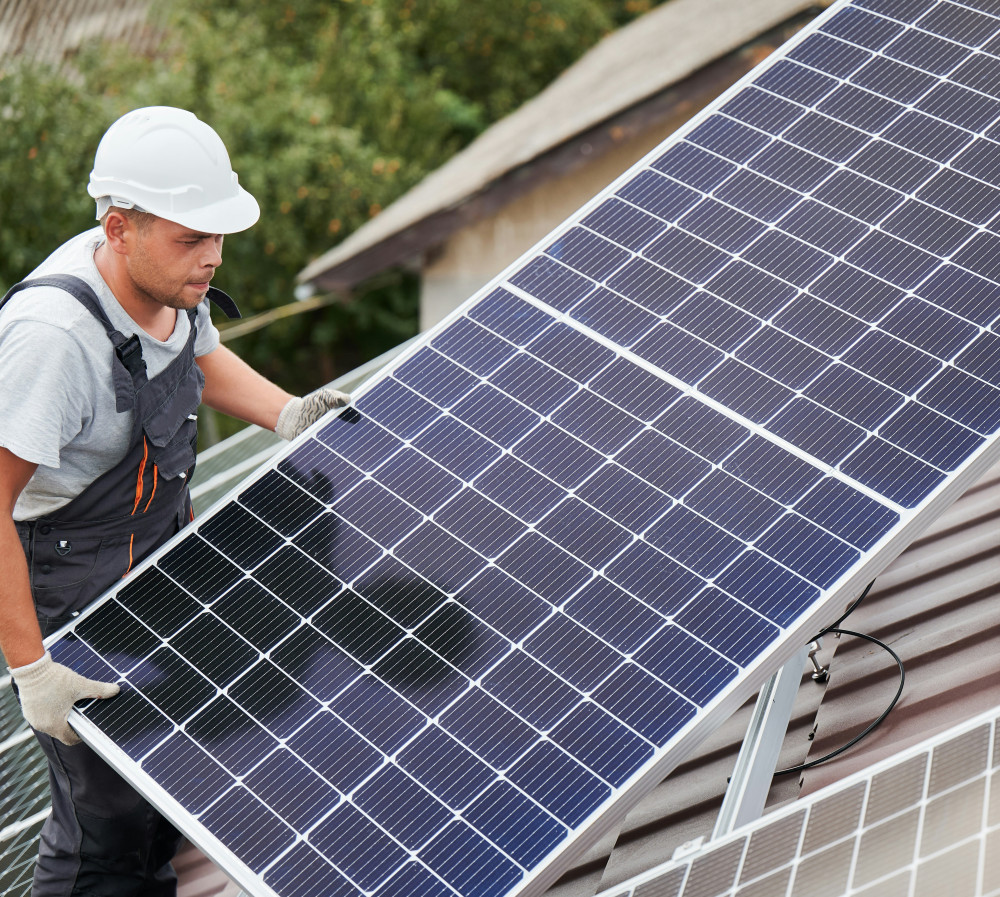
- Whether you plan to pair the system with solar panels or battery storage.
Proper sizing and professional installation are key to achieving the comfort and savings you expect.
A Step Toward a Greener Future
Switching to a heat pump isn’t just a financial decision—it’s an environmental one. You’ll reduce your home’s carbon footprint, increase its value, and contribute to a cleaner energy future.
With the right planning, incentives, and professional guidance, a heat pump can be a smart investment that pays off in comfort, savings, and sustainability for years to come.
Læs også: