Energy-Saving Textiles – Carpets and Curtains with Proven Effectiveness

Energy-Saving Textiles – Carpets and Curtains with Proven Effectiveness
As energy costs rise and sustainability becomes a growing priority, many American homeowners are looking for practical ways to reduce heat loss and energy consumption—without sacrificing comfort or style. Surprisingly, textiles such as carpets and curtains can play a significant role. Recent studies show that the right materials and designs can make a measurable difference in both energy use and indoor comfort.
Curtains as an Energy Barrier
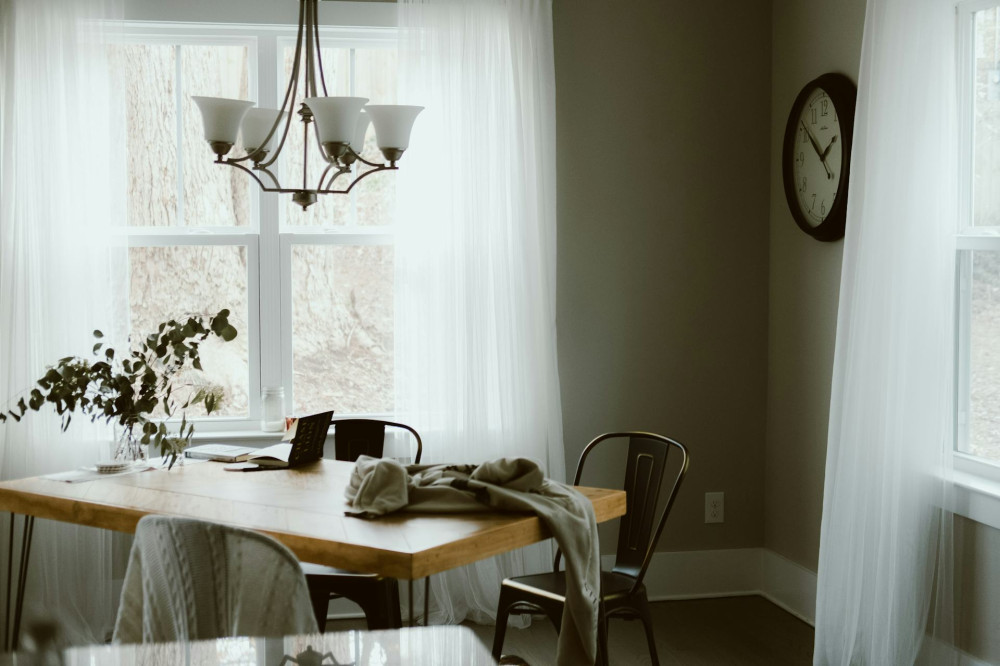
Windows are among the biggest sources of heat loss in a home. Even modern double-pane windows allow warmth to escape during cold months. Heavy, insulated curtains can make a noticeable difference.
According to data from the U.S. Department of Energy (DOE), properly installed thermal curtains can reduce heat loss through windows by up to 25%. The effect depends on how well the curtains fit the window area. Curtains that extend from ceiling to floor and close tightly against the wall and sill provide the best insulation.
Many energy-efficient curtains now include reflective or foam-backed linings that help keep heat inside during winter and block solar heat in summer. This dual function makes them a year-round solution that improves comfort while lowering heating and cooling costs.
Læs også:


Carpets That Keep Warmth Indoors
A cold floor can make a room feel significantly cooler, even when the thermostat reads the same temperature. Carpets offer a simple and effective way to counteract that effect.
A thick wool or dense-pile carpet acts as an extra insulating layer, reducing heat loss through the floor. This is especially beneficial in older homes with wood floors or limited subfloor insulation.
Research from the Carpet and Rug Institute (CRI) indicates that rooms with carpeted floors can feel 1–2°F warmer than those with bare floors—without increasing the thermostat setting. That means you can lower the temperature slightly and still feel comfortable, potentially cutting heating costs by 5–10%.
The Power of Combining Curtains and Carpets
The greatest energy savings occur when curtains and carpets are used together. Curtains reduce heat loss through windows, while carpets minimize cold air from the floor. Together, they also improve acoustics and create a more comfortable indoor environment.
To maximize their effect, consider these tips:
- Close curtains at night to retain heat, and open them during the day to let in sunlight.
- Choose natural fibers like wool, which insulate well and help regulate humidity.
- Avoid covering heating vents or radiators with curtains, as this blocks airflow.
- Install curtain tracks close to the wall to prevent cold air from circulating behind the fabric.
Proven Performance – and Lasting Style
While energy savings are important, many people also choose textiles for their aesthetic and comfort value. They add warmth, reduce noise, and enhance the character of a room. That makes them an investment that pays off both in energy efficiency and everyday enjoyment.
Today, several U.S. manufacturers offer curtains and carpets with energy performance ratings or lab-tested insulation values, making it easier to select products with proven effectiveness.
Small Changes, Big Impact
Saving energy doesn’t always require major renovations. Often, small adjustments in home décor can make a meaningful difference. By thinking strategically about textiles, you can improve comfort, reduce energy use, and create a home that feels warmer, quieter, and more sustainable—all year round.
Læs også: