The Importance of the Circulation Pump for Home Heating Efficiency

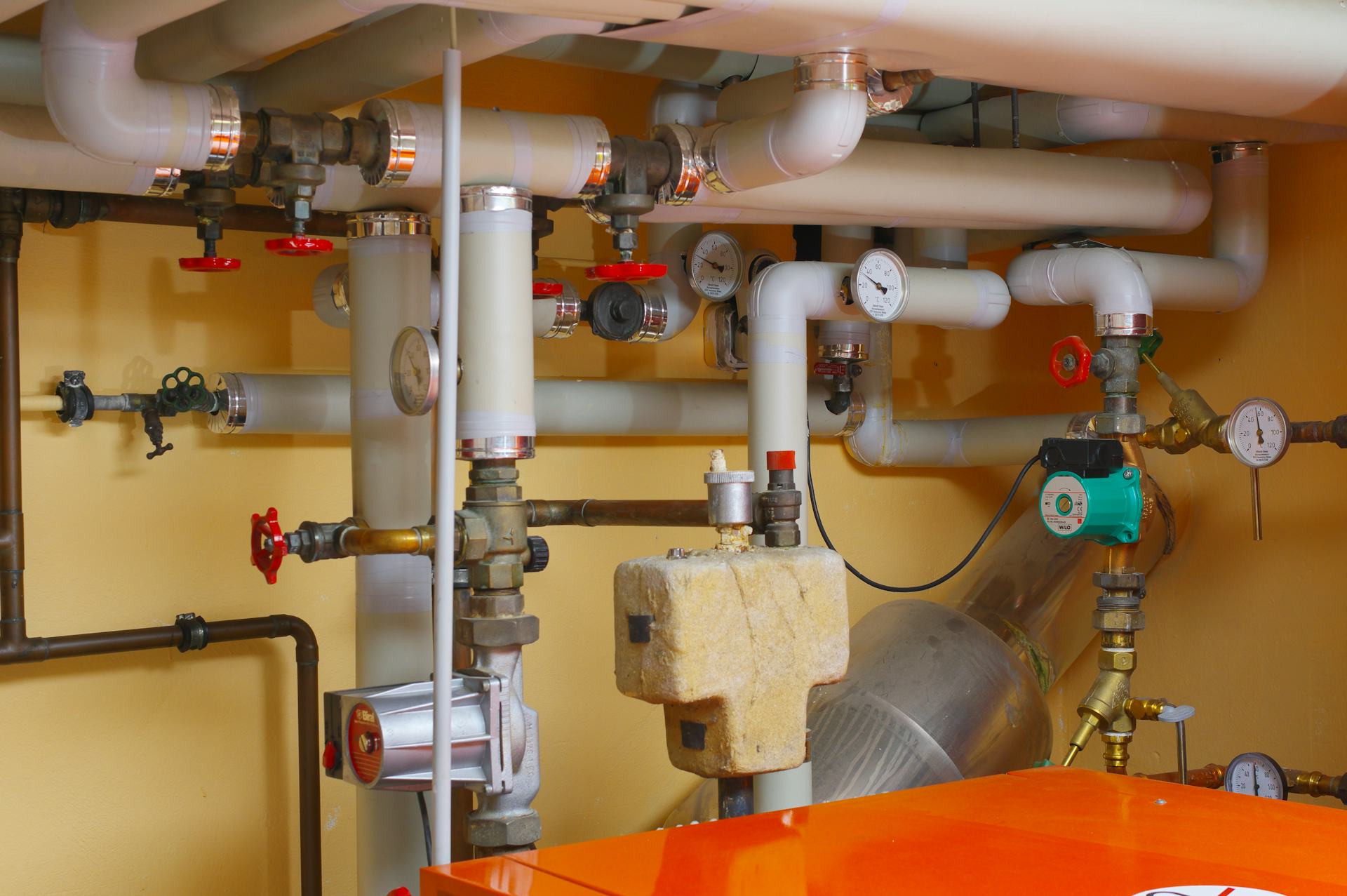
The Importance of the Circulation Pump for Home Heating Efficiency
In many American homes, the circulation pump plays a crucial yet often overlooked role in the heating system. Whether your home uses a boiler, radiant floor heating, or a hydronic baseboard system, the circulation pump ensures that hot water moves efficiently through the pipes, delivering consistent warmth to every room. A properly functioning pump not only improves comfort but also enhances energy efficiency and reduces heating costs.
What Does a Circulation Pump Do?
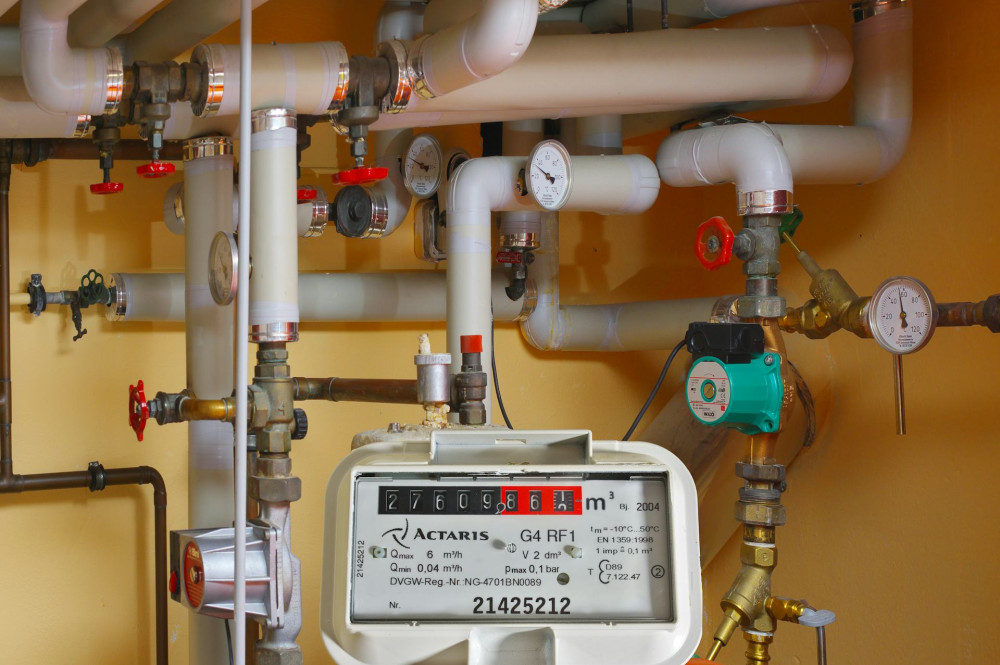
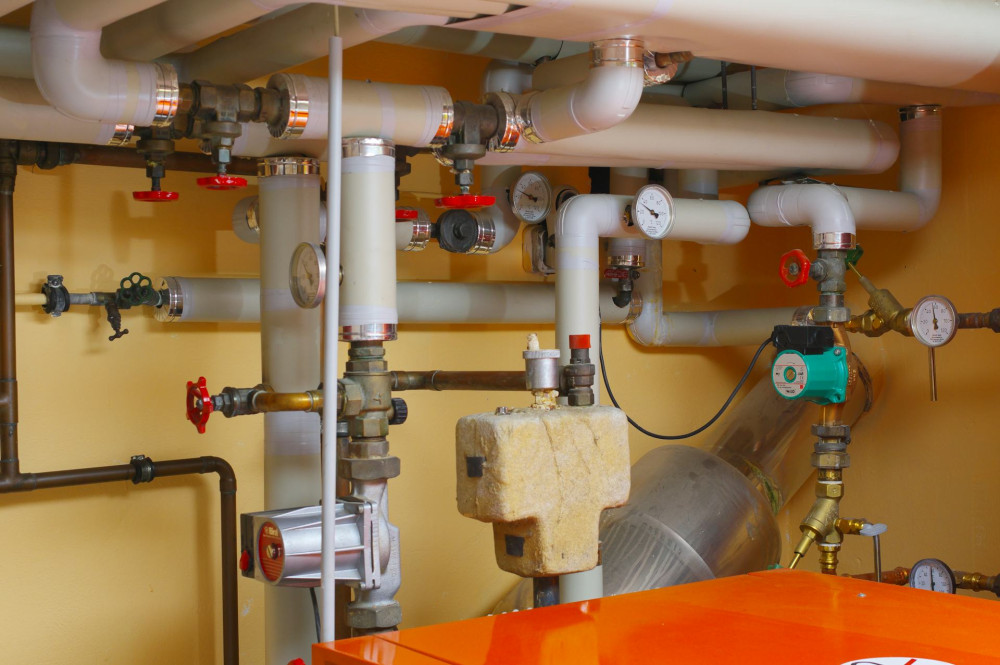
A circulation pump is a small electric motor that keeps hot water moving through your heating system. Without it, the water would cool down and settle, leading to uneven heating and cold spots throughout the house. The pump pushes hot water from the heat source—such as a boiler or water heater—through the system and back again for reheating.
Older pumps often run at a fixed speed, regardless of how much heat is actually needed. Modern high-efficiency pumps, however, use variable-speed technology that automatically adjusts the flow rate based on demand. This means they consume less electricity and maintain a more balanced temperature throughout the home.
Energy Use and Efficiency
Because the circulation pump runs whenever the heating system is active, it can account for a noticeable portion of your home’s electricity use. Traditional pumps may draw 60–100 watts per hour, while newer energy-efficient models typically use only 5–25 watts. Over the course of a heating season, that difference can translate into significant savings on your utility bills.
An efficient pump also helps your heating system operate more effectively. When hot water circulates evenly, your boiler or heat source doesn’t have to work as hard to maintain the desired temperature. This reduces fuel consumption—whether you use natural gas, propane, or electricity—and extends the lifespan of your heating equipment.
Signs It May Be Time to Replace Your Pump
If you notice that some rooms stay cooler than others, or if your heating system makes unusual noises, your circulation pump may not be performing properly. Other warning signs include:
- The pump runs continuously, even when there’s no heating demand.
- It feels excessively hot to the touch.
- Your system is more than 10–15 years old and still uses an older, non-variable-speed pump.
In these cases, it’s worth having a qualified HVAC technician inspect your system. Replacing an outdated pump with a modern, energy-efficient model often pays for itself within a few years through lower energy costs.
Choosing the Right Pump
When selecting a new circulation pump, consider the size of your home, the type of heating system, and the required flow rate. A pump that’s too powerful wastes electricity, while one that’s too weak won’t circulate water effectively. Look for pumps with ENERGY STAR® certification or high-efficiency ratings. Many modern models include smart sensors that automatically adjust speed and pressure, making them quieter and more economical to run.
Læs også:
Maintenance and Longevity
Circulation pumps require minimal maintenance, but regular attention helps ensure long-term performance. Check periodically for unusual noises or vibrations, and make sure there’s no air trapped in the system, as this can reduce efficiency. During annual heating system maintenance, ask your technician to verify that the pump is operating correctly and set to the appropriate speed.
A well-maintained pump can last 10–15 years or more. Keeping your system clean and properly balanced will help extend its life and maintain optimal heating performance.
A Small Component with a Big Impact
Though it’s a relatively small part of your home’s heating system, the circulation pump has a major influence on comfort, efficiency, and energy costs. Upgrading to a modern, variable-speed pump is one of the simplest and most cost-effective ways to improve your home’s heating performance. It’s an investment that quickly pays off—keeping your home warmer, your energy bills lower, and your carbon footprint smaller.
Læs også: