Avoid Air in Your Radiators – How to Prevent It

Avoid Air in Your Radiators – How to Prevent It
As fall approaches and the heating season begins, many homeowners notice that their radiators don’t warm up evenly. Often, the culprit is air trapped inside the system—tiny bubbles that block the flow of hot water. The result is uneven heating, cold spots, and wasted energy. Fortunately, with a few simple habits and some basic maintenance, you can prevent air from building up in your radiators before it becomes a problem.
Why Air Gets Into Radiators
Air can enter a hot water heating system in several ways. It may seep in through small leaks, be introduced when the system is refilled, or form naturally as dissolved gases in the water are released over time. Once inside, air collects at the top of radiators, preventing hot water from circulating properly.
A common sign of trapped air is a radiator that’s warm at the bottom but cool at the top. You might also hear gurgling or bubbling sounds when the heat is on—clear indicators that air is present in the pipes.
Læs også:
Prevent Air Buildup with Regular Checks
The best way to avoid air in your radiators is to keep an eye on your heating system throughout the year. Here are a few good habits to adopt:
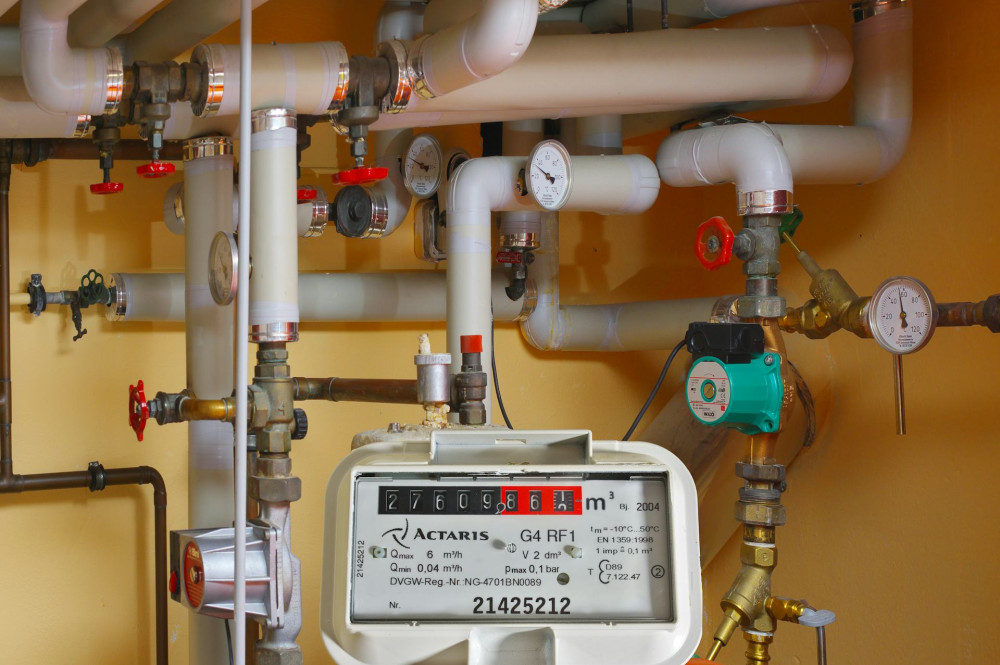
- Check the system pressure regularly. Most residential hot water systems should maintain a pressure between 12 and 15 psi. If the pressure drops, it could mean there’s a leak or air in the system.
- Refill the system carefully. When adding water, do it slowly to minimize the chance of introducing air. Stop filling once the pressure stabilizes within the recommended range.
- Monitor radiator temperatures. If one radiator is noticeably cooler than the others, it may be an early sign of trapped air.
- Run all radiators when starting up the heat. Turning on every radiator helps circulate water evenly and reduces the risk of air pockets forming.
Bleed Your Radiators Once a Year
Even with good maintenance, a small amount of air can accumulate over time. That’s why it’s smart to bleed your radiators once a year—typically at the start of the heating season.
Here’s how to do it safely:
- Turn off the heating system and let it cool for a few minutes.
- Locate the bleed valve at the top of the radiator. You’ll need a radiator key or a small flathead screwdriver.
- Hold a cloth or small container under the valve and turn it slowly counterclockwise until you hear air hissing out.
- When a steady stream of water starts to flow, close the valve tightly.
- Check the system pressure afterward and top up if necessary.
Bleeding each radiator only takes a few minutes, but it can make a big difference in comfort and efficiency.
Common Mistakes to Avoid
Many heating issues are caused by small, avoidable errors. Here are some of the most common—and how to prevent them:
- Shutting off too many radiators. If only one or two radiators are open, water may not circulate properly, allowing air to collect. Keep all radiators slightly open, even in unused rooms.
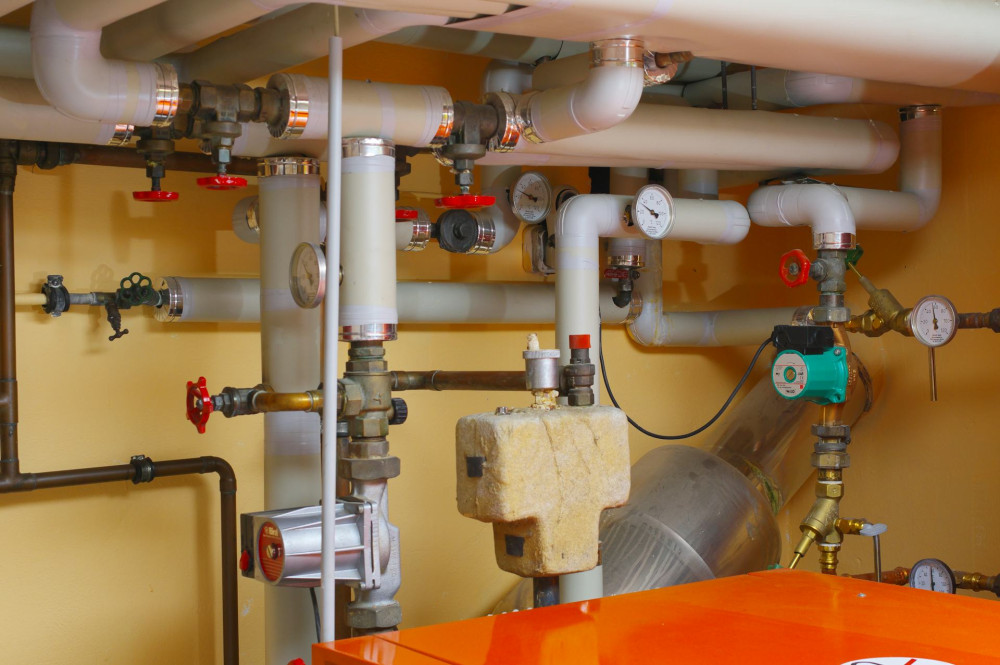
- Ignoring the expansion tank. In systems with a pressurized expansion tank, a faulty diaphragm can cause air to enter the system. If you frequently need to add water, have a professional inspect the tank.
- Bleeding too quickly. Opening the valve too far can cause water to spray out and may even draw air back in. Turn the valve slowly and close it as soon as the air stops.
Call a Professional if the Problem Persists
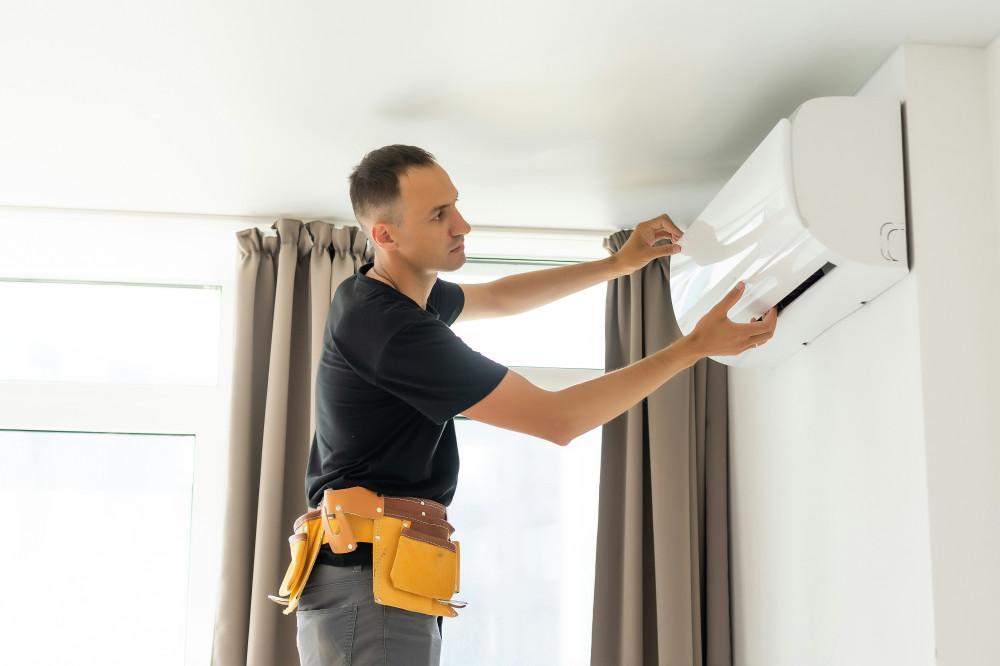
If you find yourself bleeding the same radiators repeatedly, there may be a deeper issue—such as a leak, a failing pump, or a problem with the boiler. In that case, it’s best to call a licensed HVAC technician to inspect the system and identify the cause.
A properly maintained heating system should run all winter without frequent bleeding. When it’s sealed, balanced, and serviced regularly, you’ll enjoy consistent warmth and lower energy bills.
A Small Effort with Big Benefits
Preventing air in your radiators doesn’t take much—just a bit of attention and a few simple routines. In return, you’ll have a heating system that runs more efficiently, lasts longer, and keeps your home comfortably warm all season long. It’s a small effort that pays off every winter.
Læs også: