Fresh Indoor Air in the Basement and Laundry Room


Fresh Indoor Air in the Basement and Laundry Room
Basements and laundry rooms are often the places in a home where the air feels heaviest and where moisture and odors tend to linger. That’s not surprising—these spaces are cooler, less ventilated, and often filled with appliances that generate heat and humidity. But maintaining fresh indoor air here is essential for both your home’s durability and your family’s comfort. Here’s a guide to keeping your basement and laundry room dry, clean, and pleasant year-round.
Understand the Challenges
Basements sit below ground level, where moisture from the soil and limited airflow can create persistent dampness. When warm indoor air meets cool basement walls, condensation forms, which can lead to mold and mildew. Laundry rooms add to the problem with washing machines, dryers, and water heaters that release humidity into the air.
Common signs of poor air quality include:
- A musty or stale smell
- Dark spots or mold on walls or ceilings
- Condensation on windows or pipes
- A damp or clammy feeling, even when the room is heated
Recognizing these issues is the first step toward solving them.
Improve Ventilation
Good ventilation is key to fresh indoor air. Many older basements and laundry rooms lack proper airflow, which allows moisture to build up.
- Open windows regularly – If your basement has windows, open them for 5–10 minutes twice a day to let fresh air circulate.
- Install an exhaust fan – A humidity-sensing fan can automatically turn on when moisture levels rise, helping to keep the air dry.
- Keep vents clear – Don’t block air vents or dryer exhausts. Make sure your dryer is vented to the outside, not into the basement.
If your basement is finished or used as living space, consider a mechanical ventilation system with heat recovery for consistent air exchange.
Keep Moisture Under Control
Moisture is the biggest enemy of a healthy basement or laundry room. It can come from both inside and outside, so it’s important to tackle it from multiple angles.
- Use a dehumidifier – A modern, energy-efficient dehumidifier can maintain humidity between 40% and 60%, preventing mold growth.
- Dry clothes properly – Avoid air-drying laundry in the basement unless the space is well-ventilated.
- Check for leaks – Inspect walls, pipes, and corners for damp spots or cracks. Even small leaks can cause big problems over time.
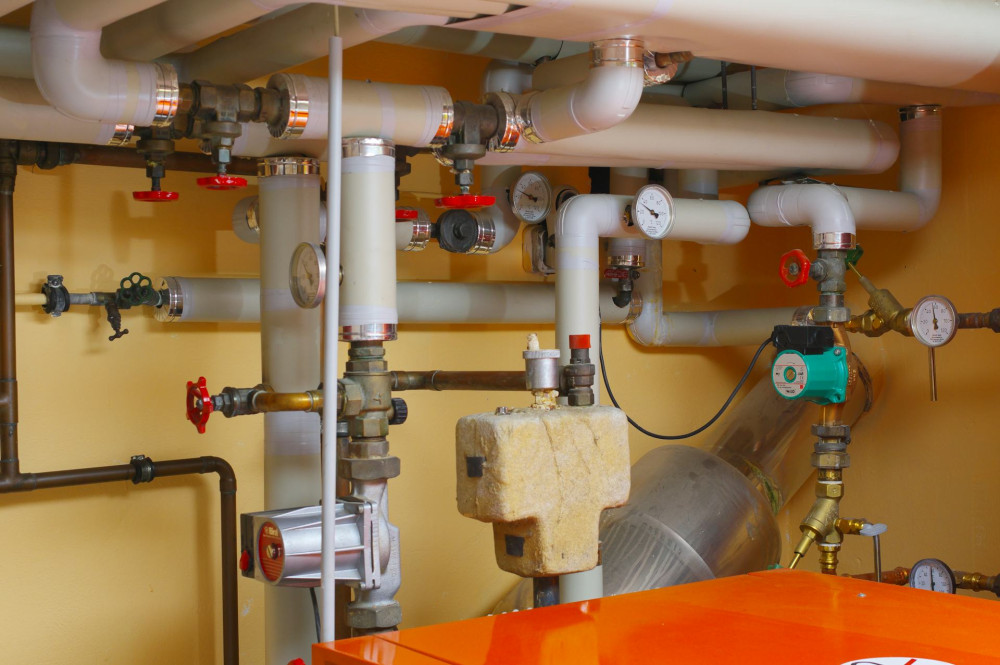
- Insulate cold surfaces – Cold pipes and walls can attract condensation. Adding insulation helps reduce this effect.
A simple digital hygrometer can help you monitor humidity levels and adjust as needed.
Clean and Maintain Regularly
A clean space is easier to keep dry and healthy. Dust and dirt can trap moisture and feed mold spores.
- Vacuum and mop floors regularly, especially around appliances.
- Clean floor drains and lint traps to ensure proper water flow.
- Wipe down walls and surfaces if you notice condensation or dampness.
- Use cleaning products designed to prevent mold if you’ve had issues before.
Routine cleaning not only improves air quality but also helps you spot potential problems early.
Manage Temperature Wisely
Keeping a steady temperature helps prevent condensation and dampness. A cold basement can actually make moisture problems worse.
- Maintain a base temperature of around 60–65°F (16–18°C) year-round.
- Avoid large temperature swings that can cause condensation.
- Make sure heating vents and radiators are unobstructed so air can circulate freely.
If you use the basement for storage, leave space between items and walls to allow air movement and prevent moisture buildup.
Create a Pleasant Environment
Fresh indoor air isn’t just about humidity and temperature—it’s also about how the space feels. Basements can easily seem dark and closed in, but small changes can make them more inviting.
- Paint walls and floors in light colors to reflect light.
- Use bright, energy-efficient LED lighting with a natural tone.
- Arrange furniture and storage to allow airflow around the room.
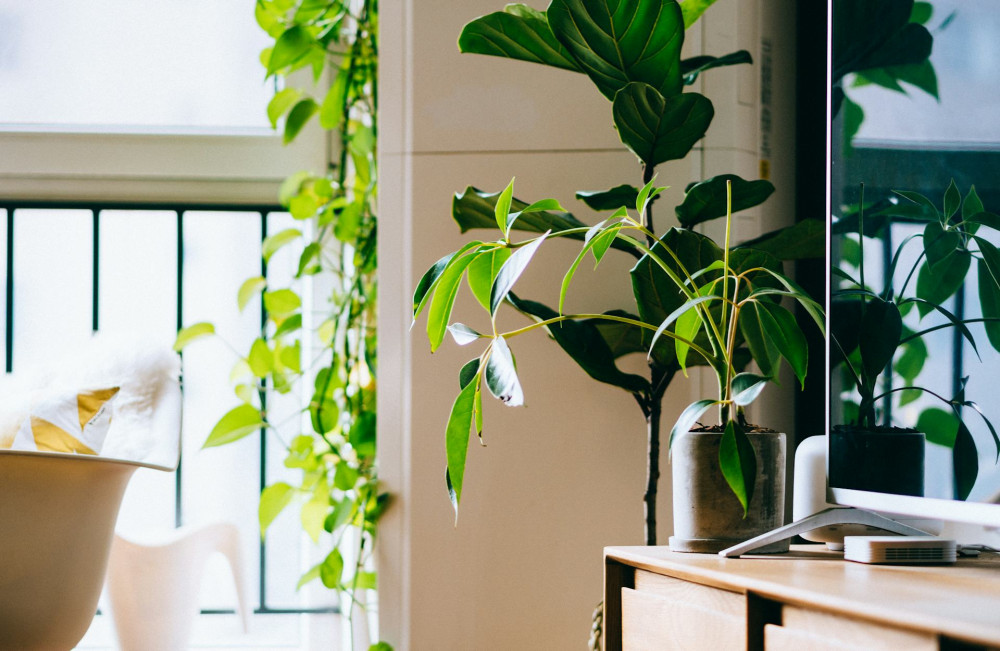
- Add a few low-light houseplants, such as peace lilies or ferns, to help purify the air.
When the space feels bright, dry, and clean, it becomes a more enjoyable part of your home.
Læs også:



A Healthy Home Starts Below Ground
Your basement and laundry room form the foundation of your home’s indoor environment. By managing moisture, improving ventilation, and maintaining a steady temperature, you can prevent mold, protect your home’s structure, and create a fresher, healthier atmosphere throughout the house. A little attention here goes a long way toward a more comfortable and resilient home.
Læs også: