The Impact of Urbanization on Modern Home Art

The Impact of Urbanization on Modern Home Art
City life has long been a source of inspiration for artists—from the industrial skylines of the 19th century to today’s sleek, minimalist cityscapes and vibrant urban abstractions. As more Americans live in metropolitan areas and daily life unfolds among steel, glass, and neon lights, urbanization has left a clear mark on the art we bring into our homes. Modern home art now reflects not only aesthetic preferences but also our lifestyle, pace, and desire for balance amid the urban rush.
From Industrial Smoke to City Skylines
The influence of urbanization on art began during the Industrial Revolution, when artists captured factories, railroads, and bustling streets as symbols of progress and change. Today, the focus has shifted from smokestacks to skylines, architecture, and the rhythm of city life.
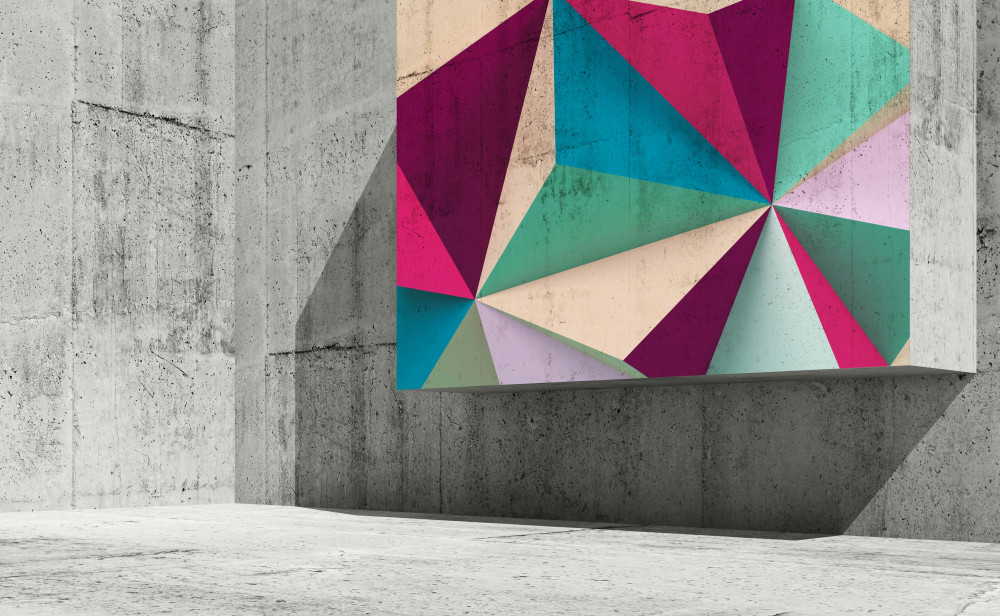
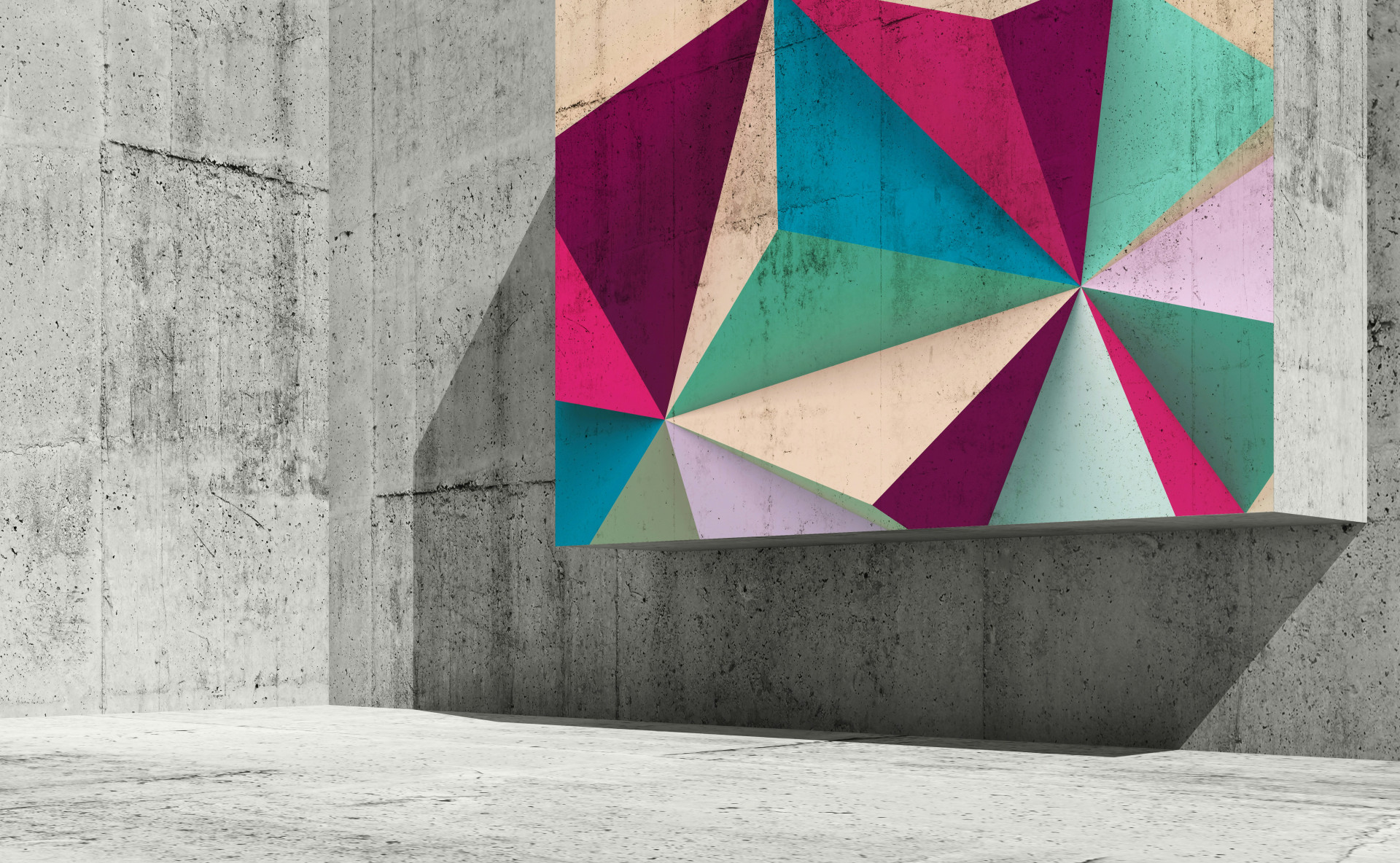
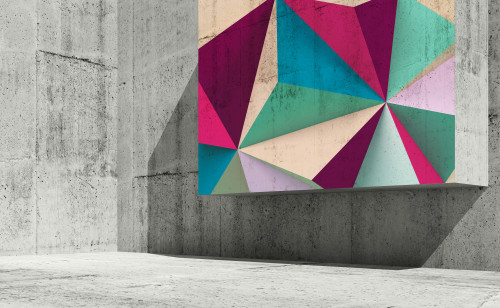
Many homeowners choose artwork that features city silhouettes, geometric interpretations of buildings, or abstract patterns inspired by urban structures. These pieces bring the energy of the city indoors, creating a visual connection to the environments where many Americans live and work.
Minimalism and Raw Materials
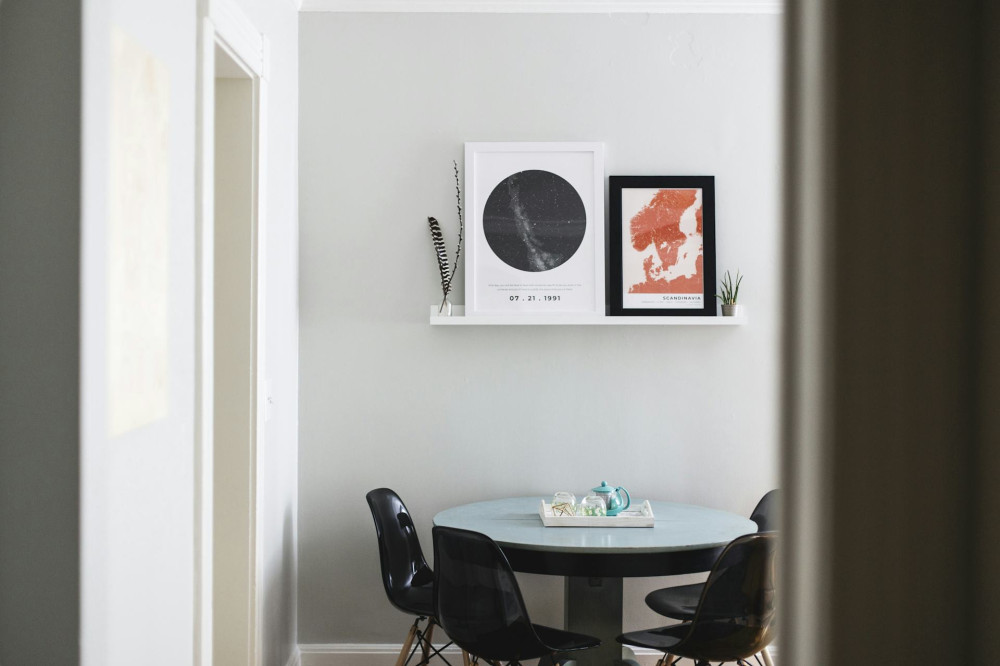
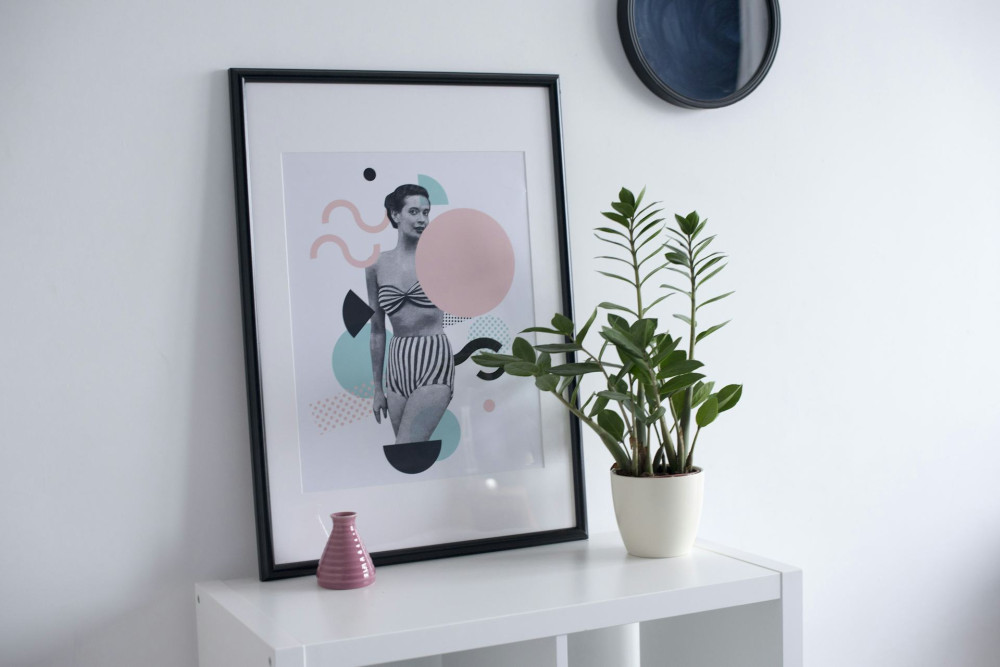
Urban living has also shaped how we decorate our homes. As city apartments become smaller and design trends lean toward simplicity, art has adapted accordingly. Large canvases with clean lines, muted tones, and raw materials like concrete, metal, and reclaimed wood fit seamlessly into the modern urban aesthetic.
At the same time, there’s a growing appreciation for street art and graffiti-inspired works that bring the edge and spontaneity of the city into domestic spaces. Prints of murals, posters featuring urban typography, or original mixed-media pieces that play with the contrast between rough and refined have become popular choices for city dwellers.
Art as a Counterbalance to City Life
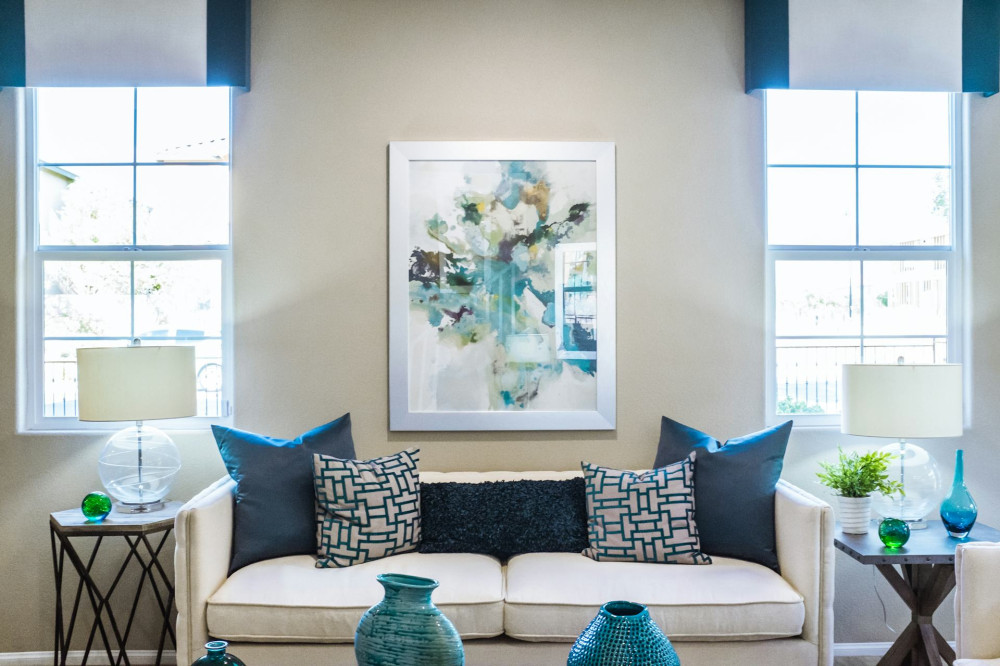
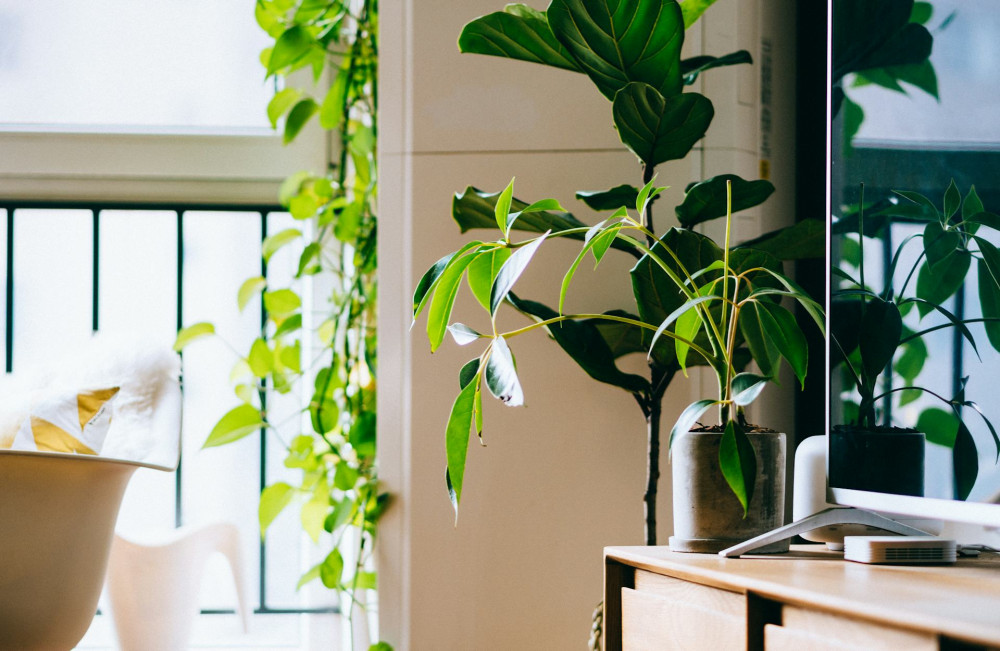
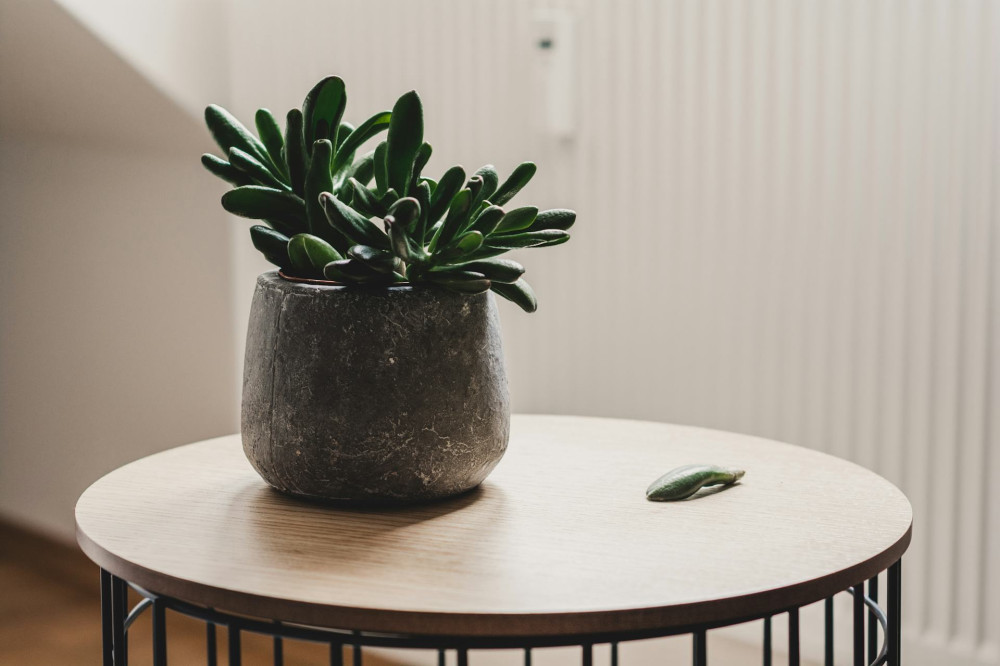
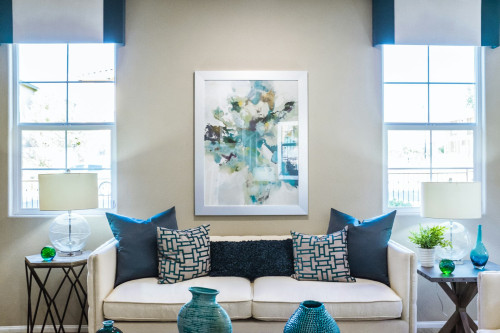
While urbanization has given art a modern, industrial look, it has also created a longing for calm and nature within the home. Many people seek artwork that balances the intensity of city life with organic shapes and natural colors—photographs of urban parks, paintings with soft brushstrokes, or sculptures made from natural materials.
This trend reflects a desire to create harmony in a fast-paced world—a home that embodies both the energy of the city and the serenity of nature. In this way, urbanization has not only inspired new artistic themes but also redefined how art functions as an emotional counterweight in our living spaces.
Digital Art and the Urban Home
The technological evolution that accompanies urbanization has opened new frontiers for home art. Digital works, projections, and NFTs (non-fungible tokens) are becoming part of interior design. Digital frames and screens allow homeowners to change artwork according to mood or season—a flexibility that suits the dynamic rhythm of urban life.
Social media and online platforms have also made it easier for emerging artists to share and sell their work directly to consumers. As a result, many Americans now have access to unique, local art that reflects the character of their own neighborhoods and cities.
Læs også:
A New Aesthetic for the Urban Individual
Ultimately, the impact of urbanization on modern home art is about identity. We use art to express who we are and where we belong. For the urban individual, that story often revolves around contrasts—between speed and stillness, structure and freedom, the industrial and the human.
Whether it’s a minimalist print, a bold street art piece, or a digital creation, modern home art mirrors the world we inhabit. Urbanization has not only transformed our surroundings—it has reshaped our sense of beauty, space, and the role of art in everyday life.
Læs også: