Colors and Emotions – How the Shades of Art Affect Your Mood


Colors and Emotions – How the Shades of Art Affect Your Mood
Colors are more than decoration. They shape how we feel, think, and connect with the world around us. In art, color is a powerful emotional language—artists use it to set a mood, tell a story, or evoke a reaction, often without us realizing it. But how exactly do colors influence our emotions, and how can you use that knowledge when choosing art for your home?
The Psychology of Color – Beyond Personal Taste
Every color carries its own psychological weight. It’s no coincidence that hospitals often use calming blues and greens, while restaurants lean toward warm reds and oranges. Colors can affect our nervous system, heart rate, and even appetite.
- Blue is linked to calmness, trust, and reflection. It can soothe the mind and create a sense of clarity.
- Red sparks energy, passion, and intensity—but too much of it can feel overwhelming.
- Yellow radiates joy, optimism, and creativity. It can lift your mood, though in excess it may feel overstimulating.
- Green represents balance and harmony, reminding us of nature and renewal.
- Black and gray add sophistication and depth, but can also evoke seriousness or distance.
When artists choose colors, they often do so intuitively—but the emotional impact on the viewer is real. A painting in cool blues can make us breathe more deeply, while one in fiery reds and oranges can make a room feel alive and dynamic.
Art as an Emotional Mirror
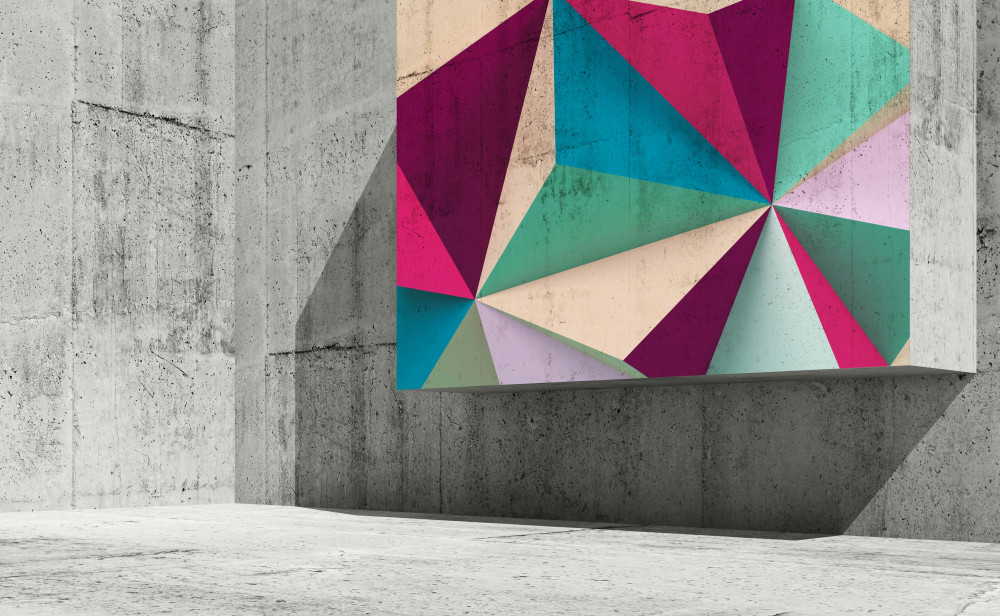
Art has the unique ability to reflect our inner world. An abstract piece with bold contrasts might stir excitement or tension, while a soft landscape in muted tones can bring peace. It’s not just about the subject matter—it’s about how color, light, and form interact.
Many people find themselves drawn to certain colors at different times in their lives. That attraction can reveal what we need emotionally. Someone seeking calm might gravitate toward blues and greens, while someone craving motivation might be drawn to reds or yellows. In this way, art becomes a tool for self-understanding.
Creating Balance at Home with Colorful Art
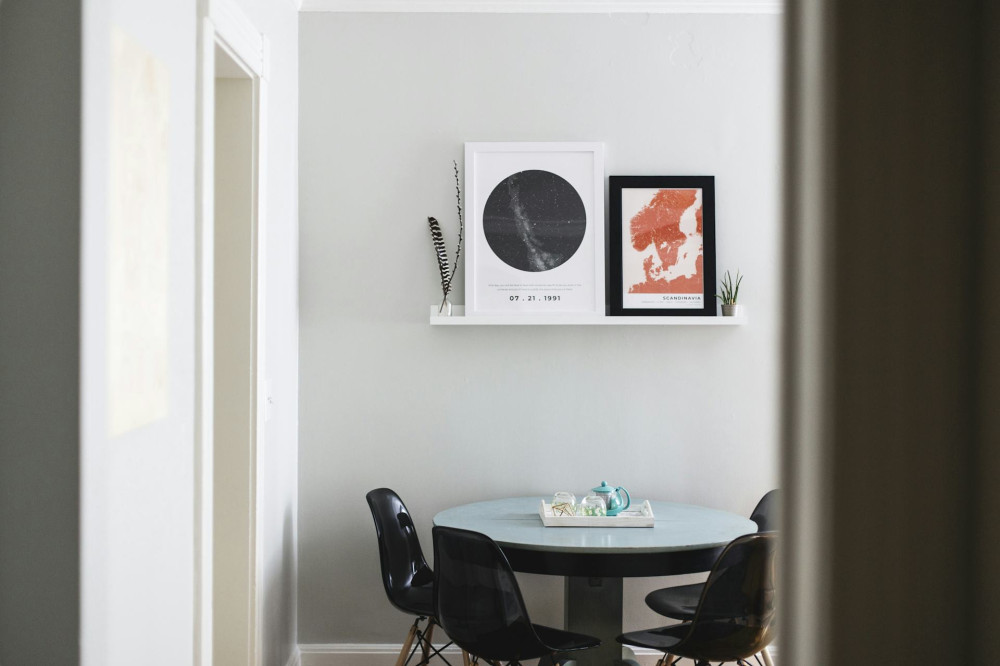
When choosing art for your home, you can use color intentionally to shape the atmosphere of each space.
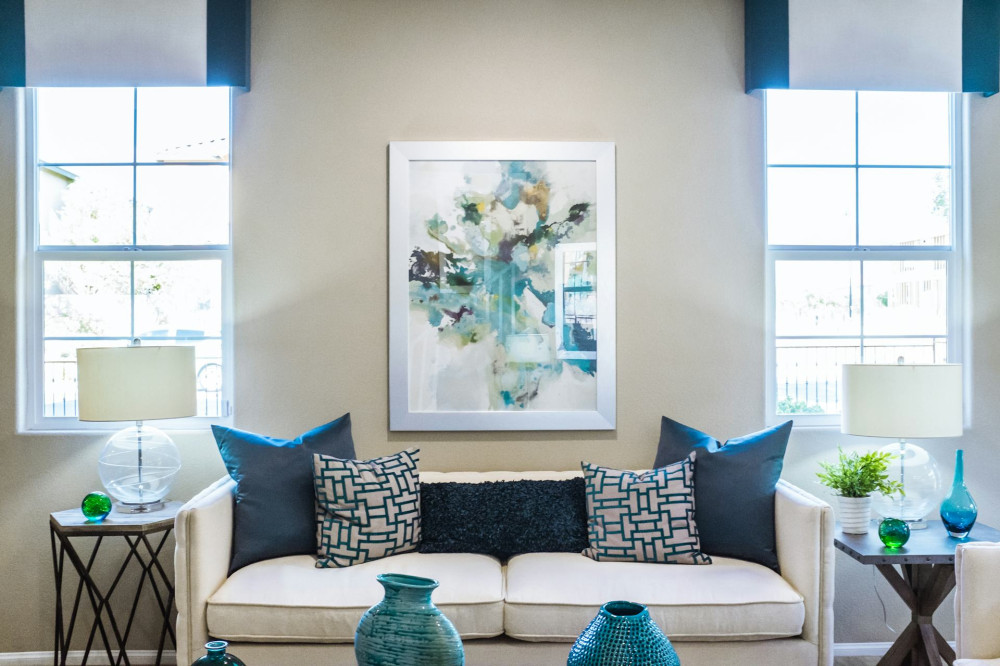
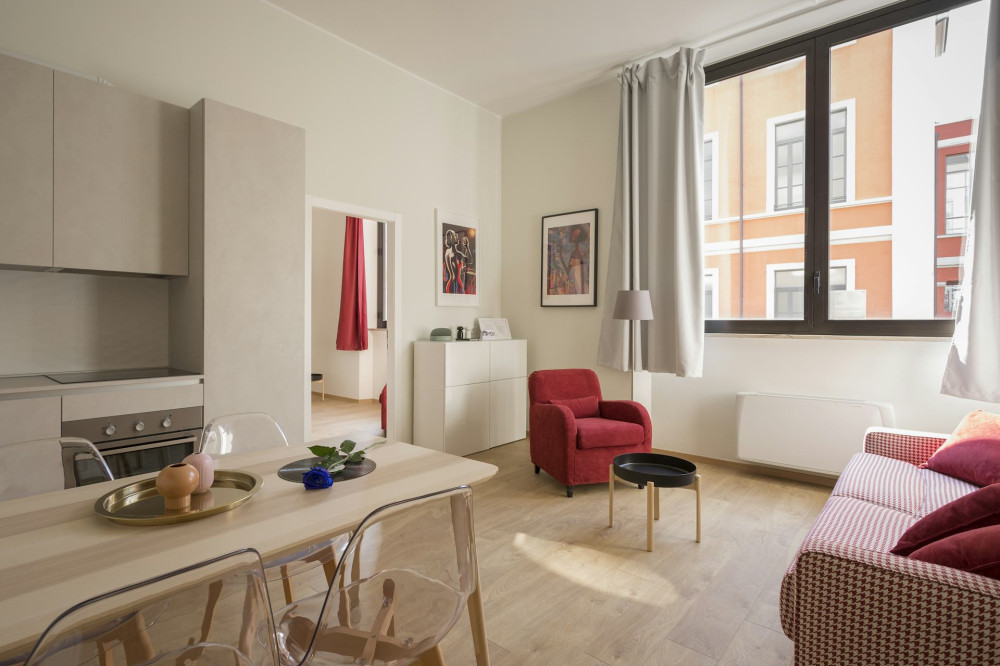
- Living room: This is a social space, so warm, inviting colors work well. Art with red, orange, or golden tones can spark conversation and energy.
- Bedroom: Choose soothing hues like blue, green, or lavender to promote relaxation and restful sleep.
- Kitchen and dining area: Yellows and earthy tones stimulate appetite and create a cozy, welcoming feel.
- Home office: Greens and blues can enhance focus and mental clarity.
There are no strict rules—what matters is how the colors make you feel. Stand in front of a painting and notice your body’s response. Do you feel calm, inspired, or restless? That reaction is your emotional compass guiding you toward what you need.
Læs også:
Light, Context, and Contrast
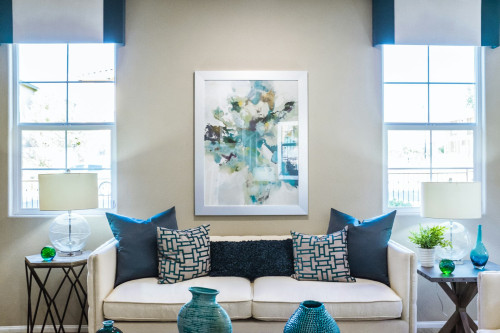
Colors change depending on light and surroundings. A painting that feels warm in daylight might take on a completely different mood under evening lighting. That’s why it’s wise to view artwork in the space where it will hang before making a decision.
Contrast also plays a key role. A vibrant piece can stand out beautifully against a neutral wall, while a subtle painting can bring balance to a colorful room. It’s all about harmony—creating a dialogue between the artwork, the space, and the mood you want to evoke.
When Color Becomes Therapy
More therapists and artists are exploring color as a form of emotional healing. Painting or simply observing art can help process feelings, reduce stress, and restore inner calm. Colors act as a language that speaks directly to our subconscious—no words needed.
You don’t have to be an artist to experience this effect. Surrounding yourself with colors that feel right can have a powerful impact on your mood. Sometimes a single painting in the perfect shade can transform not just a room, but your entire emotional state.
Bringing Color into Everyday Life
The colors of art aren’t just for galleries and museums—they can be part of your daily life. Whether at home, at work, or in the small details that surround you, color influences how you feel and function. When you choose art, you’re also choosing which emotions to invite into your space.
So next time you stand before a painting, don’t just ask, “Do I like it?” Ask, “How does it make me feel?” The answer might be the key to creating a home that doesn’t just look beautiful—but feels right.
Læs også: