How to Hang Pictures in Rooms with Many Doors and Passages

How to Hang Pictures in Rooms with Many Doors and Passages
Rooms filled with doors, windows, and open walkways can be tricky when you’re trying to create a balanced display of art. The many openings break up the wall space, leaving only small sections to work with. But with a thoughtful approach, you can still make your artwork complement the architecture and bring personality and harmony to the space. Here’s how to do it.
Start by Seeing the Room as a Whole
Before you pick up a hammer, take a step back and look at the room as a complete picture. Where do people usually walk? Which walls are most visible when you enter? And where does your eye naturally rest when you’re sitting or standing in the space?
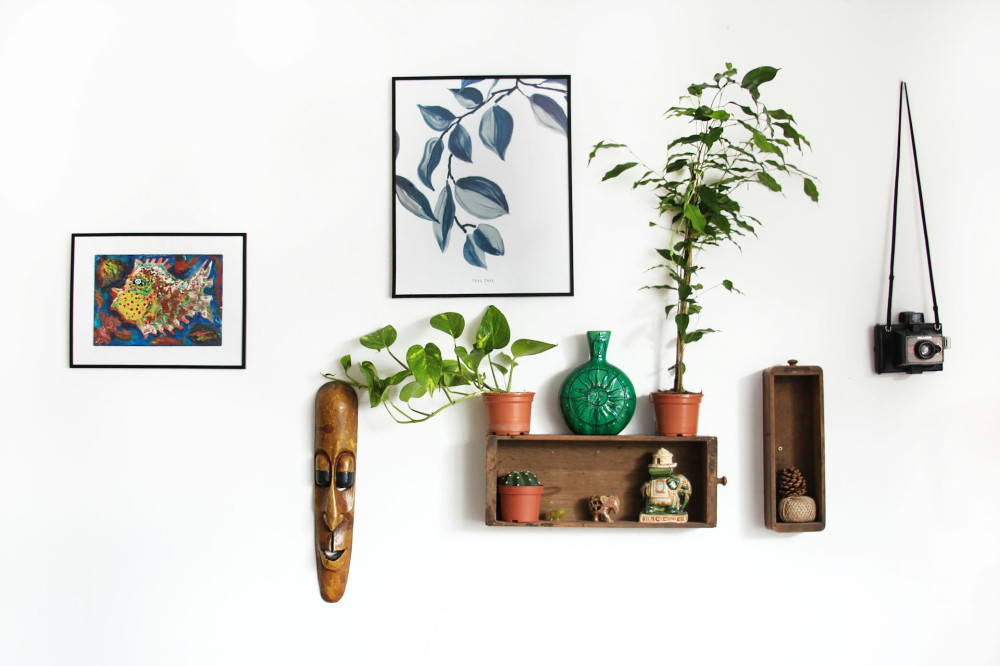
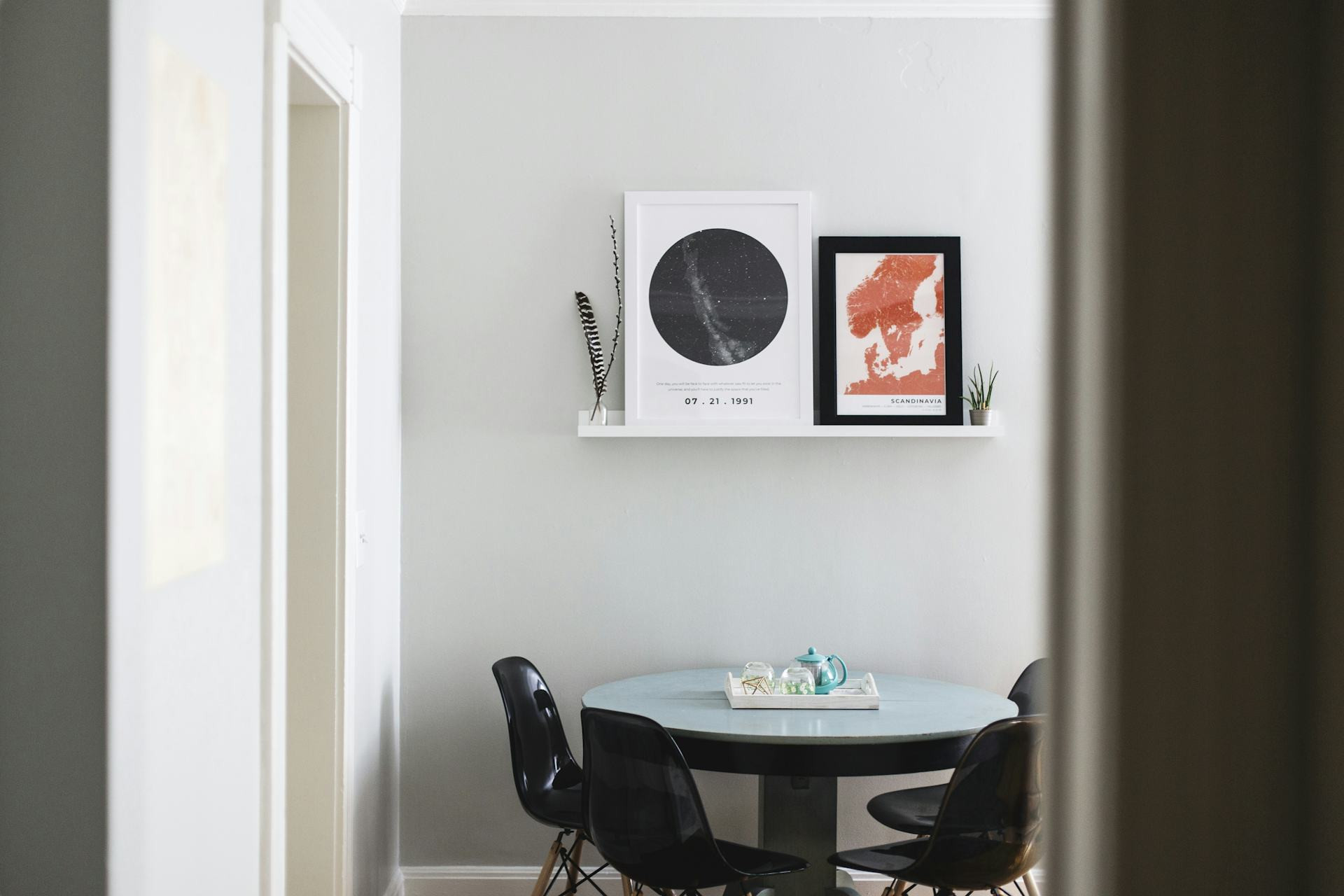
In rooms with multiple doors and passages, it’s rarely possible to create one large gallery wall. Instead, think strategically about the smaller wall sections. Create visual islands—small clusters of artwork that work together to form rhythm and cohesion, even if they’re not all on the same wall.
Læs også:
Choose Art That Connects
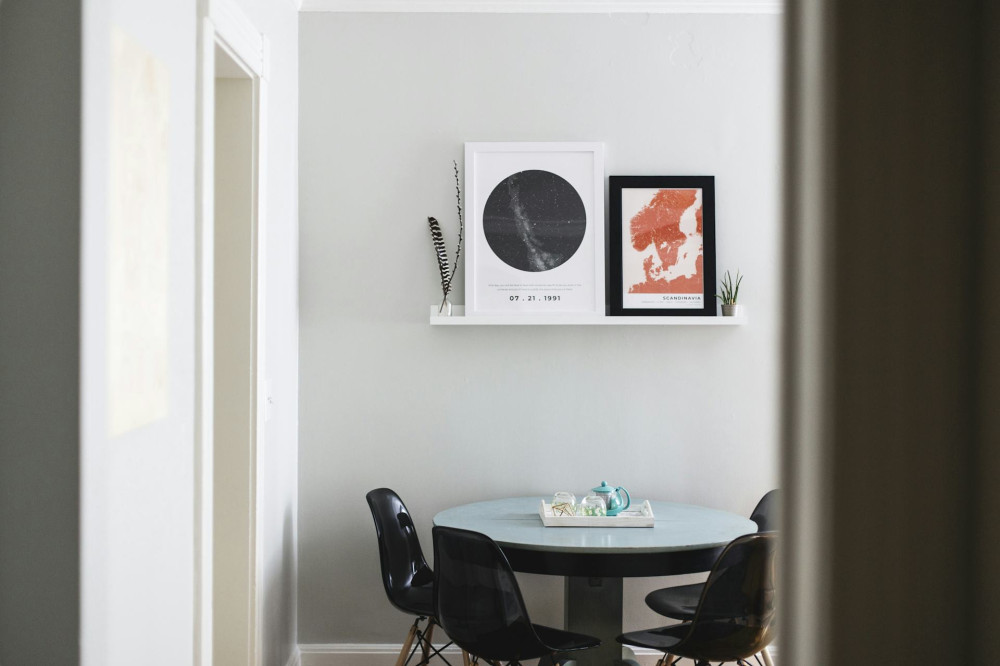
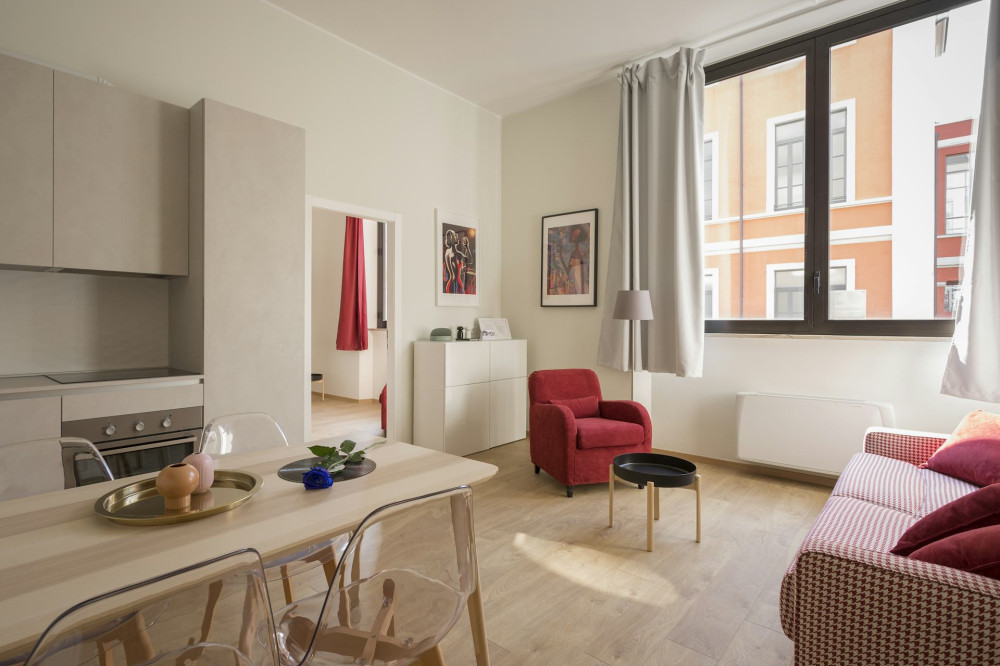
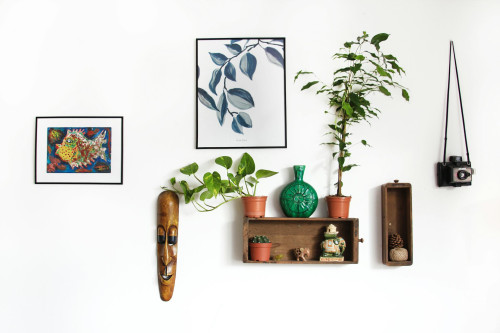
When your wall space is divided, it becomes even more important that your artwork shares a common thread. That could be a color palette, a theme, or a consistent framing style. For example, if your living room has several doorways, choosing art in similar tones can help the space feel calm and unified, even if the pieces are spread out.
A simple trick is to use matching frames or consistent spacing between pieces. This creates structure and keeps the room from feeling cluttered, even when the walls are broken up.
Make Use of Narrow Walls and Corners
Those small wall sections between doors or windows are perfect for smaller pieces, photographs, or prints. You can create mini stories there—perhaps a vertical series of two or three pieces that follow the shape of the wall.
Corners can also be used creatively. Hanging one piece on each side of a corner can create a visual connection and add depth to the room, making the art feel integrated into the architecture.
Think About Movement and Sightlines
In rooms with many doorways, people often move quickly from one area to another. That’s why it helps to place artwork where it catches the eye in passing—above a doorway, beside a passage, or at the end of a hallway.
Choose pieces that make an impact from a distance and don’t require long contemplation. Bold shapes, strong contrasts, or simple compositions work well here. Save the more detailed or subtle works for areas where people linger, like near a sofa, dining table, or reading nook.
Use Furniture as Anchors
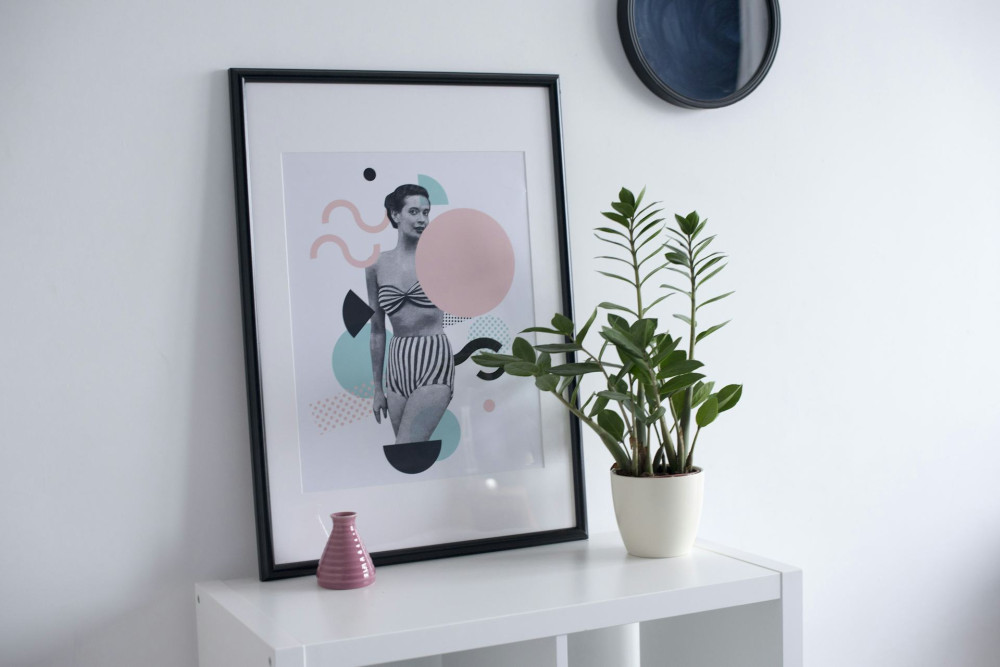
When walls are interrupted by openings, furniture can help create structure. A piece of art above a console table, a small print beside a bookshelf, or a low row of frames above a bench can bring balance to the room. This way, the art becomes part of the overall design rather than something randomly placed.
Remember, artwork doesn’t always have to hang at eye level. In rooms with many openings, it can look more harmonious to align the height of your art with nearby furniture, so the visual lines in the room connect naturally.
Create Unity with Color and Light
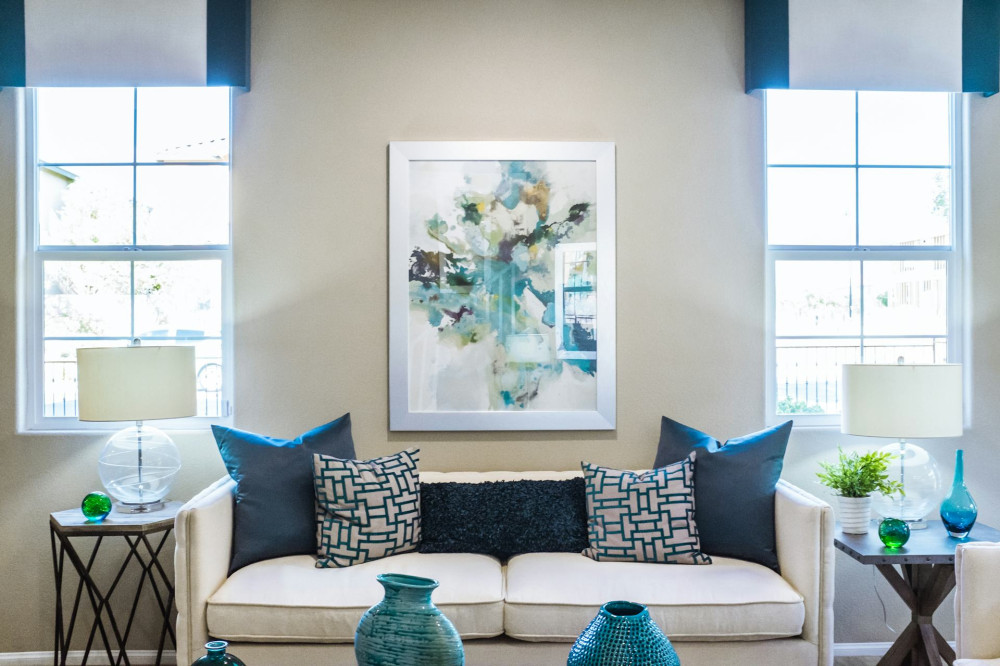
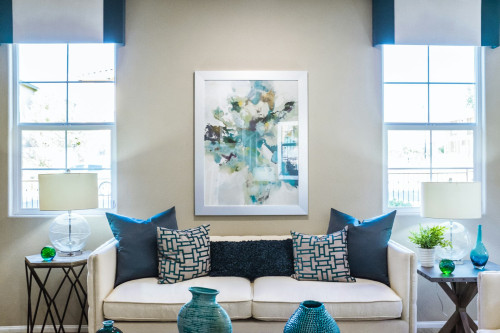
When your artwork is spread across different walls, you can tie everything together through color and lighting. Repeat colors from your art in throw pillows, rugs, or lamps to make the space feel cohesive. Use lighting intentionally—a small spotlight or wall sconce can highlight a piece and give it presence, even on a narrow wall.
If your room gets a lot of natural light from multiple directions, watch out for glare on glass frames. Non-glare glass or canvas prints can be great options to avoid reflections.
Leave Room to Breathe
In a room with many doors and passages, it’s tempting to fill every bit of wall space, but often the best approach is to leave some areas blank. Empty space gives the eye a place to rest and allows the artwork you do hang to stand out.
Think of your walls like pauses in a piece of music—it’s the contrast between fullness and emptiness that creates rhythm and balance.
A Personal Touch in a Challenging Space
Hanging art in a room full of openings isn’t about finding the one perfect wall—it’s about creating a sense of flow that fits the room’s rhythm. By paying attention to proportion, color, and movement, even the most fragmented spaces can feel harmonious and personal.
The key is to let your art tell your story, even if the walls aren’t large or uninterrupted. With a bit of planning and creativity, you can turn a busy, door-filled room into a space that feels both lively and thoughtfully designed.
Læs også: