The Details of Craftsmanship – When the Finish Makes the Difference


The Details of Craftsmanship – When the Finish Makes the Difference
When you stand back and look at a completed project—a new kitchen, a custom-built bookshelf, or a refinished hardwood floor—it’s often the small details that determine whether the result feels polished and professional. That’s where craftsmanship truly shows itself. The final sanding, the precise joint, the smooth caulk line, or the carefully chosen finish can elevate a project from “good enough” to “exceptional.” In an age where home improvement projects are shared across social media, attention to finish has become a hallmark of quality and pride in one’s work.
What Does “Finish” Really Mean?
Finish isn’t just about appearance—it’s the sum of precision, understanding of materials, and patience. A good finish begins long before the final coat of paint or varnish. It’s about planning how materials meet, how seams are hidden or highlighted, and how light interacts with surfaces.
A skilled carpenter or cabinetmaker knows that even the strongest structure can lose its appeal if the surface treatment is sloppy. Conversely, a simple design can look high-end when the finish is executed with care. It’s about respect for the material and for the craft itself.
Læs også:


Preparation – The Key to a Flawless Result
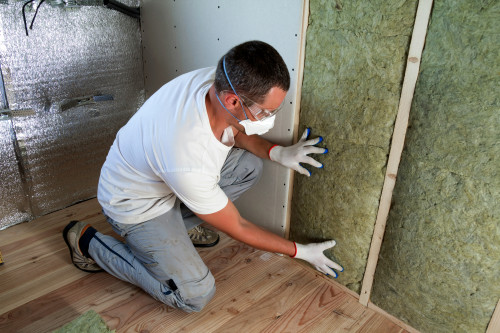
A beautiful finish starts with preparation. Surfaces must be clean, dry, and smooth, and tools must be in top condition. Many mistakes happen because steps are skipped—painting over dust, sanding too little, or using the wrong fasteners.
Professionals often spend more time preparing than finishing, because they know that’s where the difference is made. Testing materials and techniques on a small area first can save time and frustration later. Whether you’re staining a deck or refinishing a table, patience in the early stages pays off in the final look.
The Interaction of Materials
Wood, metal, stone, and paint all respond differently to moisture, temperature, and wear. Achieving a great finish means understanding how these materials behave together. An oiled walnut countertop, for example, needs a different treatment than a lacquered maple one. And when combining materials—say, wood and steel—it’s important to account for how each expands and contracts.
A visible joint can be a flaw, or it can be a deliberate design feature if executed with precision. The key is intention: deciding what to highlight and what to conceal.
The Final Layer – Where the Magic Happens
Once everything is assembled, sanded, and aligned, the final layer brings the project to life. Whether it’s paint, oil, lacquer, or wax, this stage demands a steady hand and a calm pace. A smooth, even coat without drips or streaks requires both technique and patience.
Small habits make a big difference: use quality brushes or rollers, work in good light, and let each coat dry completely before applying the next. These may seem like minor details, but they’re exactly what separates a professional finish from an amateur one.
When Craftsmanship Becomes a Signature
For many artisans, the finish isn’t just a technical step—it’s part of their identity. The way they complete a project becomes their signature. A woodworker who ensures drawers glide silently, or a mason who leaves perfectly even mortar lines, shows pride that goes beyond function.
Even for DIY enthusiasts, mastering the details brings deep satisfaction. It’s not about finishing fast—it’s about finishing well. When you step back and see a result that both looks and feels right, you understand why craftsmanship still matters in a digital world.
Patience and Precision – The True Qualities of Craft
In a time when so much can be bought ready-made, there’s a special joy in creating something with your own hands—and doing it well. The finish is proof that you took the time, thought it through, and cared about the outcome. It’s the quiet detail that ties everything together.
So next time you take on a project, remember: it’s not just what you build that counts, but how you complete it. In the world of craftsmanship, it’s the finish that makes the difference.
Læs også: