Get Control of the Construction Process with Good Planning and Full Oversight

Get Control of the Construction Process with Good Planning and Full Oversight
A construction project—whether it’s building a new home, remodeling a kitchen, or adding an extension—can quickly become complex. Without structure, clear communication, and realistic expectations, costs can spiral, schedules can slip, and stress can mount. But with solid planning and full oversight from the start, you can minimize risks and ensure a result that meets your goals and stands the test of time.
Here’s a step-by-step guide to help you take control of your construction process.
Start with a Realistic Plan
Every successful project begins with a clear vision. Define what you want to achieve: Are you building from the ground up, renovating an existing space, or making targeted improvements? The more specific you are, the easier it will be to manage time, budget, and expectations.
Make a list of your needs and wants, and prioritize them. What’s essential, and what’s simply nice to have? This will help you make smart decisions when trade-offs become necessary.
Before you move forward, research local building codes, zoning regulations, and permit requirements. In the U.S., these can vary widely from one municipality to another, and delays often occur when permits aren’t secured early enough.
Set a Realistic Budget—and Include a Contingency
One of the most common pitfalls in construction is underestimating costs. Create a detailed budget that includes materials, labor, design fees, permits, and a contingency for unexpected expenses.
A good rule of thumb is to add a 10–15% buffer to your total budget. Surprises happen—hidden structural issues, material price increases, or design changes can all add up.
Get multiple bids from contractors, and review them carefully. The lowest price isn’t always the best value if it comes at the expense of quality or reliability. Make sure you understand exactly what’s included in each estimate.
Choose the Right Team
Construction is a team effort. Architects, engineers, contractors, and subcontractors all play critical roles. Choosing the right partners can make or break your project.
- Check references – Ask for examples of past work and talk to previous clients.
- Get everything in writing – Contracts should clearly outline scope, timelines, payment terms, and responsibilities.
- Maintain regular communication – Schedule check-ins to review progress and address issues before they escalate.
Trust and transparency are key. Investing time in finding the right professionals at the start will save you headaches later.
Create a Detailed Timeline
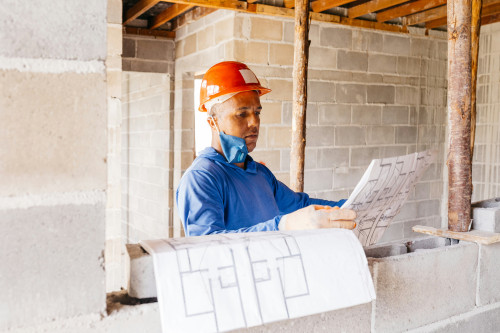
A well-structured timeline is essential for keeping your project on track. It should cover every phase—from design and permitting to construction and final inspection.
Break the project into stages and set realistic deadlines. Keep in mind that weather, supply chain delays, and coordination between trades can all affect timing. It’s better to plan for some flexibility than to face costly delays.
Digital project management tools or even a shared calendar can help you stay organized and ensure everyone is aligned.
Communication Is Everything
Many construction problems stem from poor communication. Make sure everyone involved understands their responsibilities and that any changes are communicated promptly.
If you’re not experienced in construction, consider hiring a project manager or owner’s representative to oversee the process and coordinate with contractors. This extra layer of oversight can help ensure that work is completed to specification and on schedule.
Quality Control and Follow-Up
As construction progresses, inspect the work regularly. Review each phase before moving on to the next so that any issues can be corrected early. It’s far easier—and cheaper—to fix problems mid-project than after completion.
At the end of the project, conduct a thorough walkthrough with your contractor. Document any deficiencies and agree on a timeline for corrections. A detailed punch list ensures accountability and a smooth handover.
Think Long-Term
A successful construction project isn’t just about finishing—it’s about building something that lasts. Focus on quality, functionality, and sustainability. High-quality materials and thoughtful design may cost more upfront but often save money in maintenance and energy over time.
Consider energy efficiency, durability, and adaptability. A well-built home or space is easier to live in, more comfortable, and more valuable in the long run.
Læs også:
From Vision to Reality
Building or renovating is a major undertaking, but it’s also an opportunity to create a space that truly fits your life. With careful planning, realistic expectations, and consistent oversight, you can make the process smoother, more predictable, and ultimately more rewarding.
It’s not just about bricks and beams—it’s about creating a place that works for you and brings satisfaction for years to come.
Læs også: