Motion Sensors That Provide Security Without Disturbing the Neighbors

Motion Sensors That Provide Security Without Disturbing the Neighbors
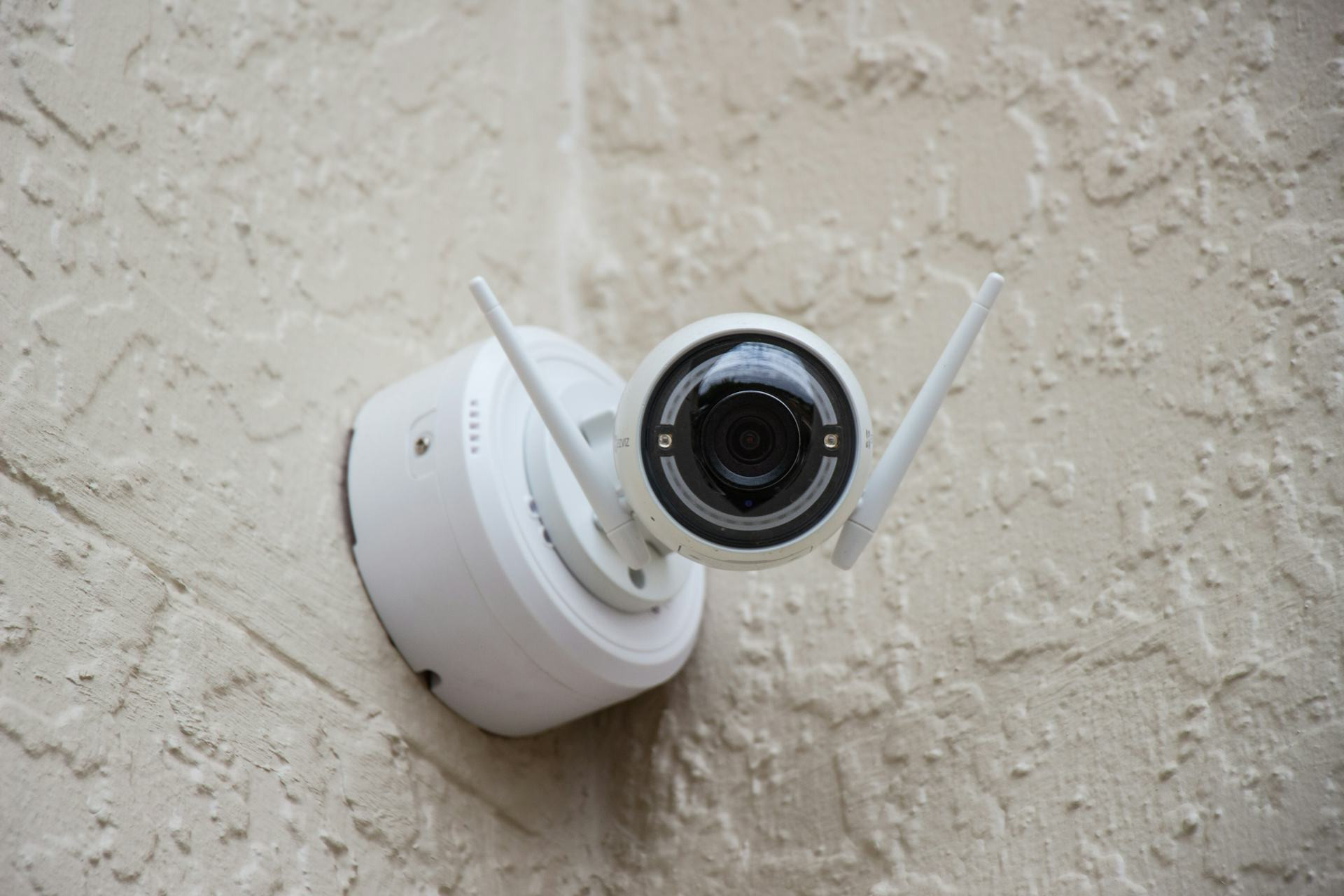
Motion sensors have become a common feature in many American homes. They turn on lights when you arrive after dark, alert you if there’s movement while you’re away, and can even integrate with smart home systems for added convenience. But while these devices can enhance security, they can also cause frustration—especially if bright lights flash on and off throughout the night, disturbing your neighbors. Fortunately, there are ways to enjoy the benefits of motion sensors without creating unwanted light pollution or tension on your street.
Security with Consideration
The main purpose of motion sensors is to make you feel safe. They can deter intruders, make it easier to navigate your property at night, and notify you of unexpected activity. However, safety shouldn’t come at the expense of your neighbors’ comfort. A floodlight that turns on every time a raccoon crosses your driveway can quickly become a nuisance—and in some neighborhoods, it might even violate local lighting ordinances.
Finding the right balance between security and courtesy starts with choosing the right type of sensor and installing it thoughtfully.
Læs også:

Choosing the Right Sensor for the Job
There are several types of motion sensors, each with its own strengths and sensitivities:
- PIR (Passive Infrared) sensors – detect heat from people and animals. They’re energy-efficient and ideal for both indoor and outdoor use.
- Microwave sensors – emit waves that bounce off moving objects. They’re more sensitive and can detect motion through thin walls or glass.
- Dual-technology sensors – combine multiple detection methods to reduce false alarms.
For most residential settings, PIR sensors are the best choice. They’re reliable, affordable, and less likely to trigger from wind-blown branches or passing cars.
Placement Makes All the Difference
Even the best sensor can cause problems if it’s installed in the wrong place. Think carefully about where movement should be detected—and where it shouldn’t.
- Avoid pointing sensors toward the street – passing cars, pedestrians, or pets can trigger unnecessary activations.
- Aim sensors at entryways and walkways – focus on areas where you or your family naturally move.
- Mind the height – mount sensors at the recommended height (usually around 6–8 feet) for optimal coverage.
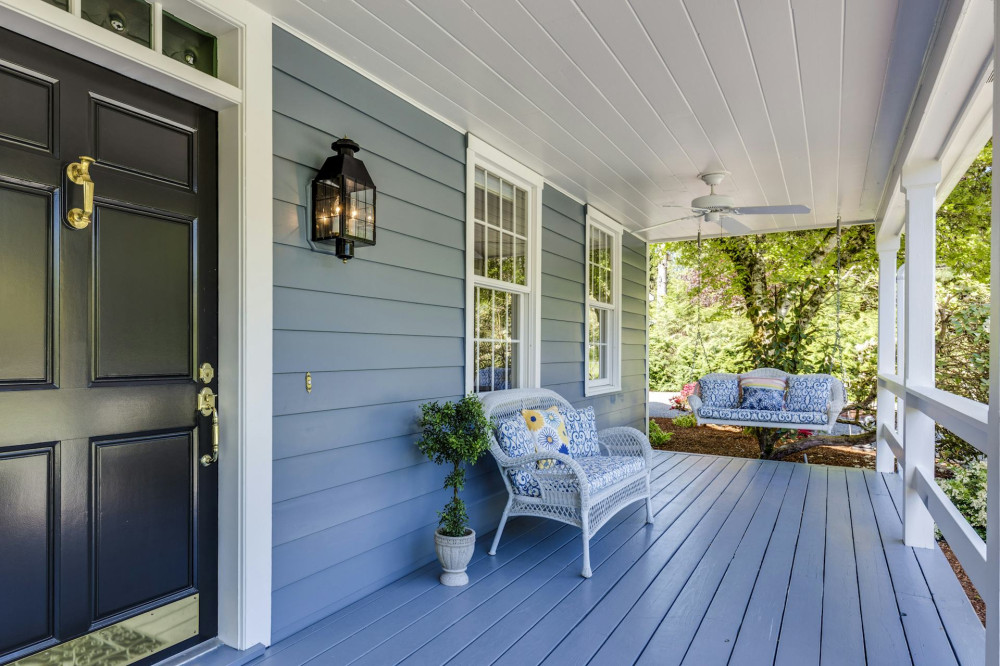
- Shield the light – use fixtures with directional covers or hoods to prevent glare from spilling into a neighbor’s window.
Most modern sensors allow you to adjust sensitivity, range, and light duration. A few small tweaks can make a big difference in reducing false triggers and keeping the peace.
Smarter Sensors for Modern Homes
Today’s motion sensors are far more advanced than earlier models. Many connect to smartphone apps, allowing you to fine-tune settings, view activity logs, and schedule when the sensors are active. Some systems can even distinguish between people, animals, and vehicles—dramatically cutting down on false alerts.
You can also find sensors that only activate lights when it’s dark or that gradually brighten instead of switching on at full intensity. These features create a softer, more neighbor-friendly lighting experience while still keeping your property secure.
Good Fences—and Good Communication—Make Good Neighbors
Technology can enhance safety, but good communication builds harmony. If you’re installing outdoor motion sensors, it’s considerate to let your neighbors know. Explain where the sensors are placed and how they work. This transparency helps prevent misunderstandings and shows that you value their comfort.
If a neighbor mentions that your lights are bothersome, take it as an opportunity to adjust your setup. Often, a small change in angle or brightness is all it takes to solve the problem. Security and neighborly peace don’t have to be at odds—they can easily coexist.
Security That Feels Natural
Motion sensors are a simple yet powerful way to make your home safer. When used thoughtfully, they provide peace of mind without disrupting the neighborhood. By considering placement, technology, and communication, you can create a sense of security that feels natural and respectful.
With the right setup, your home can be well-lit, welcoming, and secure—without anyone feeling blinded by your sense of safety.
Læs også: