Make Your Home Safer for Older Adults

Make Your Home Safer for Older Adults
As we age, our homes may no longer fit our needs the way they once did. What used to feel comfortable and familiar can become challenging or even hazardous. Slippery floors, poor lighting, and cluttered walkways can all increase the risk of falls — one of the most common causes of injury among older adults in the United States. The good news is that a few thoughtful changes can make a big difference. Here’s a guide to creating a safer, more comfortable home for older adults.
Start with a Home Safety Check
Begin by taking a fresh look at your home. Walk through each room and identify potential hazards — loose rugs, cords across walkways, or furniture that blocks easy movement. Make a list of areas that pose the greatest risk, such as entryways, bathrooms, and bedrooms, and address those first.
It can be helpful to involve a family member or an occupational therapist. They can offer practical suggestions and spot risks you might overlook.
Make the Bathroom Safer
The bathroom is one of the most common places for falls. Wet floors and smooth tiles can be dangerous, but there are many ways to reduce the risk.
- Non-slip mats in the shower and near the sink provide better traction.
- Grab bars near the toilet and shower help with balance and stability.
- A shower chair or fold-down seat allows for safe, comfortable bathing.
- Bright, even lighting helps prevent shadows and improves visibility.
If possible, consider replacing a bathtub with a walk-in shower to make entry and exit easier.
Create a Safe and Comfortable Bedroom
The bedroom should be a place of rest, not risk. Many falls happen at night when getting out of bed in the dark. Install nightlights or motion-sensor lights that turn on automatically when someone gets up.
Keep a sturdy chair or table near the bed for support, and make sure rugs and cords are out of the way. If the bed is too high or too low, an adjustable bed frame can make getting in and out easier.
Improve Lighting Throughout the Home
Good lighting is one of the simplest and most effective ways to prevent accidents. As vision changes with age, it becomes harder to see contrasts and depth. Ensure that all rooms — especially hallways and stairways — are well lit.
- Use warm, even lighting to reduce glare and shadows.
- Install motion-sensor lights in hallways and entryways.
- Replace dim or flickering bulbs promptly.
Consider lamps with large switches or remote controls for easier use.
Remove Tripping Hazards and Create Clear Pathways
Small obstacles can cause big problems. Remove loose rugs or secure them with non-slip backing. Arrange furniture to allow plenty of space for walking — especially if a walker or cane is used.
Bundle and secure electrical cords along walls, and use small ramps to smooth out door thresholds. These adjustments make it easier to move around safely and independently.
Læs også:
Use Technology for Peace of Mind
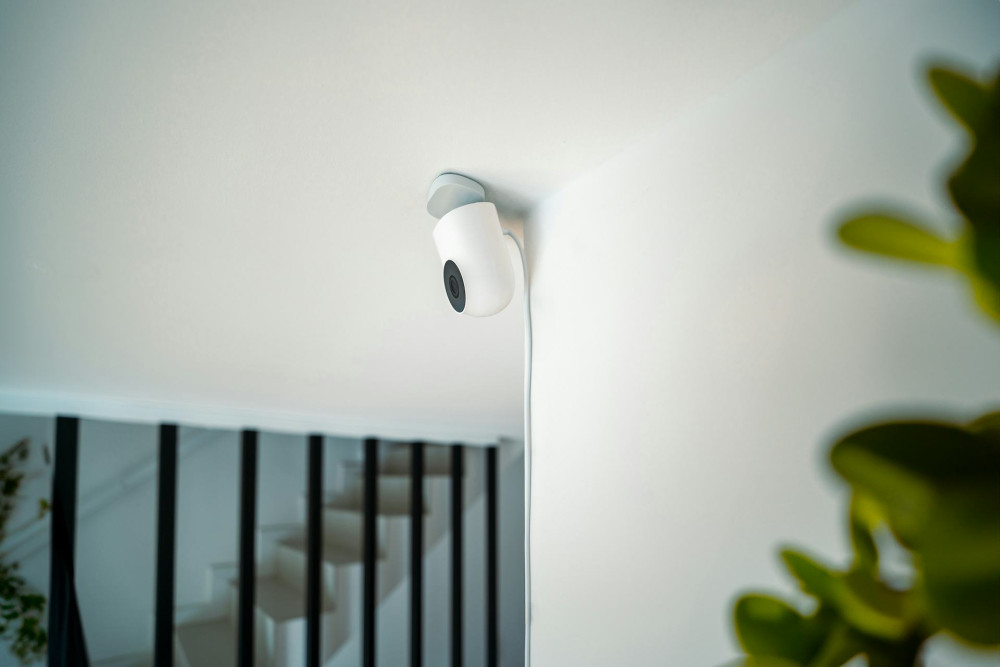
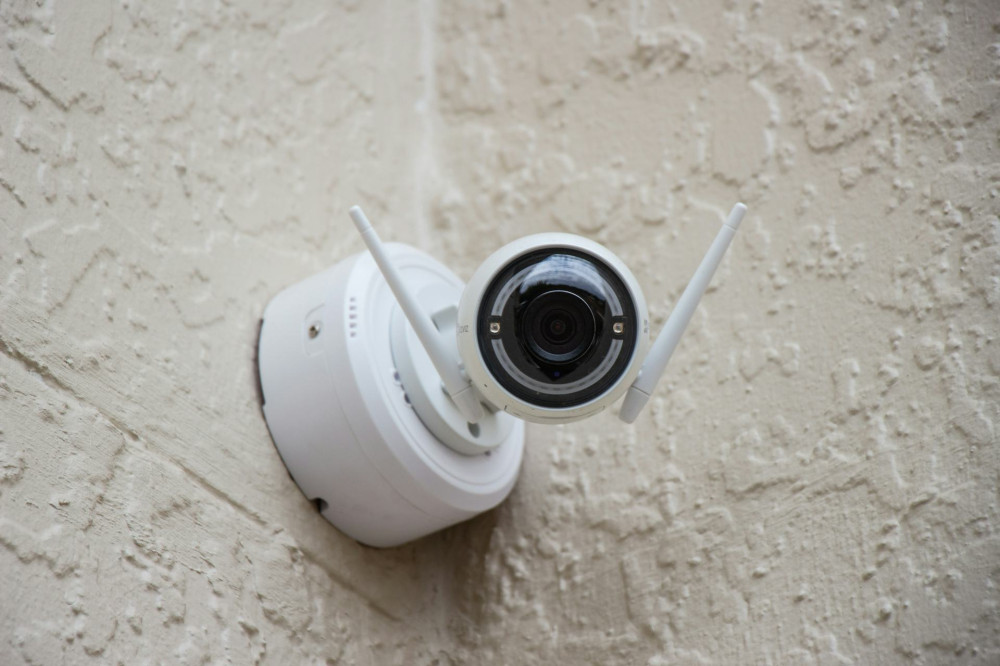
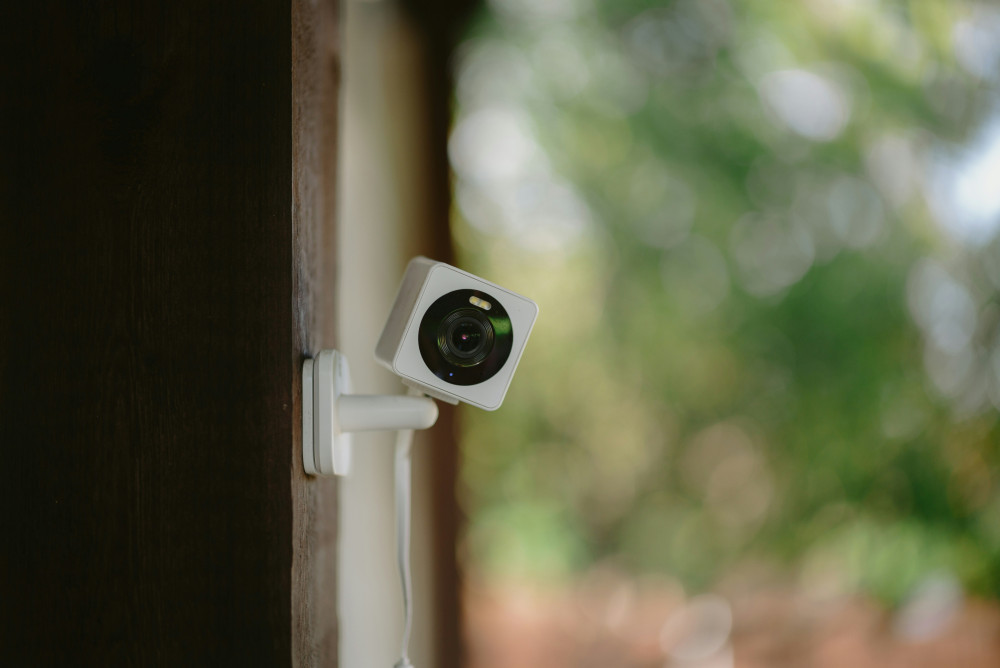
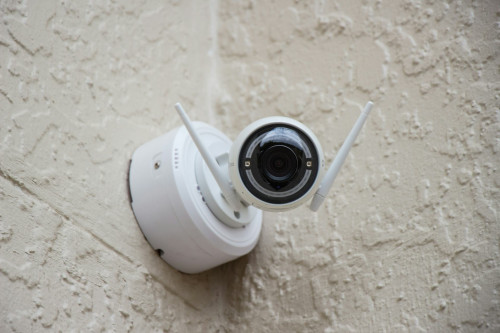
Modern technology can help older adults stay safe and connected. Many devices are designed specifically for home safety and emergency response.
- Medical alert systems or wearable devices can call for help after a fall.
- Motion sensors can detect unusual inactivity and alert caregivers.
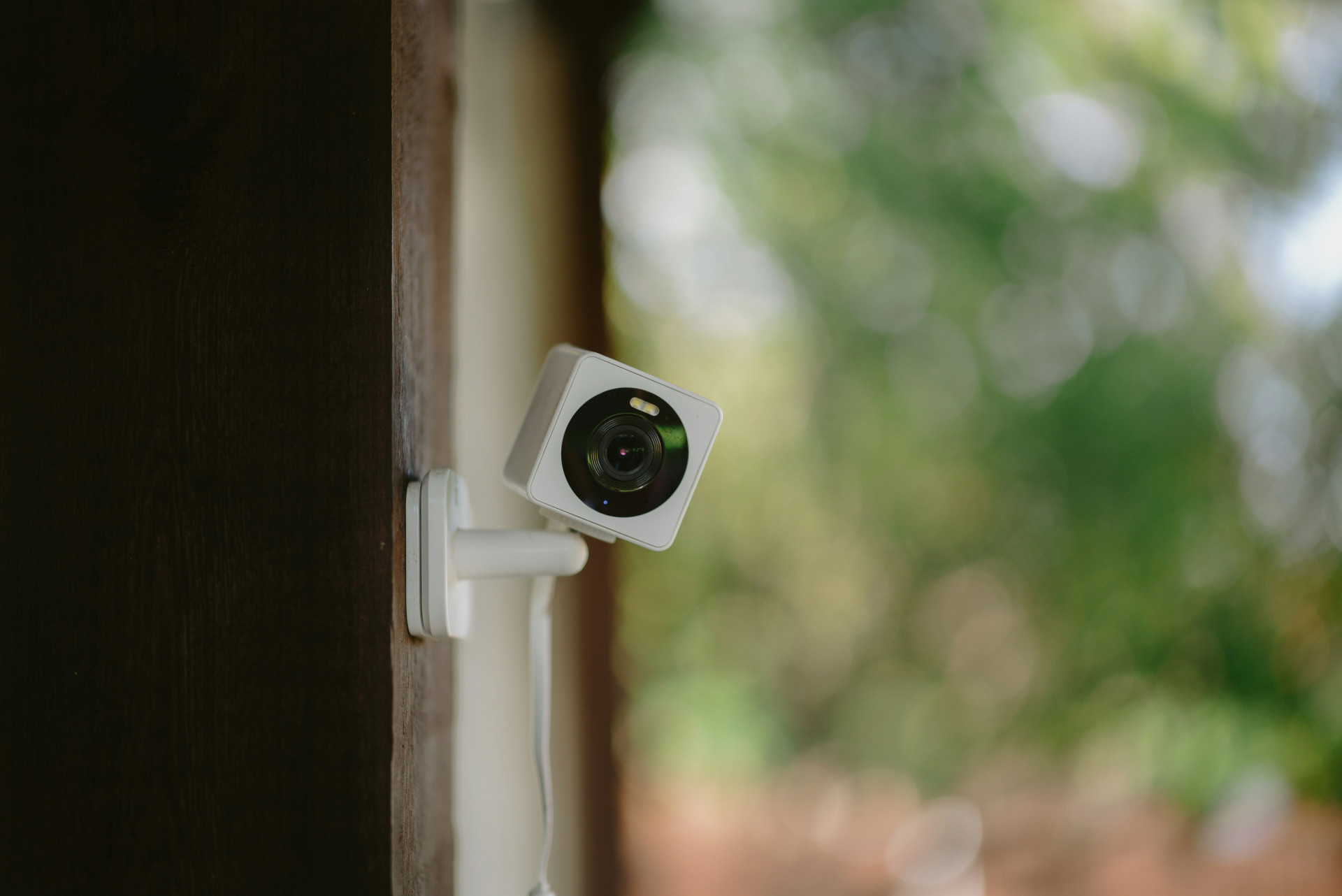
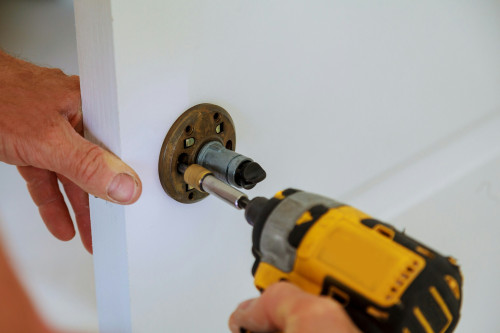
- Smart home systems allow control of lights, locks, and thermostats by voice or smartphone.
These tools can provide reassurance for both older adults and their families.
Keep the Kitchen Safe and Accessible
The kitchen is a hub of daily life, but it can also be a source of accidents. Store frequently used items at waist or shoulder height to avoid bending or reaching.
Choose stoves with automatic shut-off features, and avoid loose clothing while cooking. Make sure smoke detectors and fire extinguishers are in working order and easy to reach.
Safety Also Means Comfort
A safe home isn’t just about preventing accidents — it’s about feeling secure and at ease. Small changes can greatly improve quality of life. Keep a phone within easy reach, ensure windows and doors open smoothly, and place a chair in hallways or near entrances for resting.
Invite family or friends to help with safety improvements. It can be a meaningful way to show care and support.
A Home That Supports Independence
Making a home safer for older adults isn’t about limiting freedom — it’s about preserving it. When the environment is secure and easy to navigate, it’s easier to stay independent and enjoy daily life. With a few simple updates, you can create a home that feels safe, comfortable, and truly your own — a place to live confidently and with peace of mind.
Læs også: