Change Locks and Review Your Home’s Overall Security

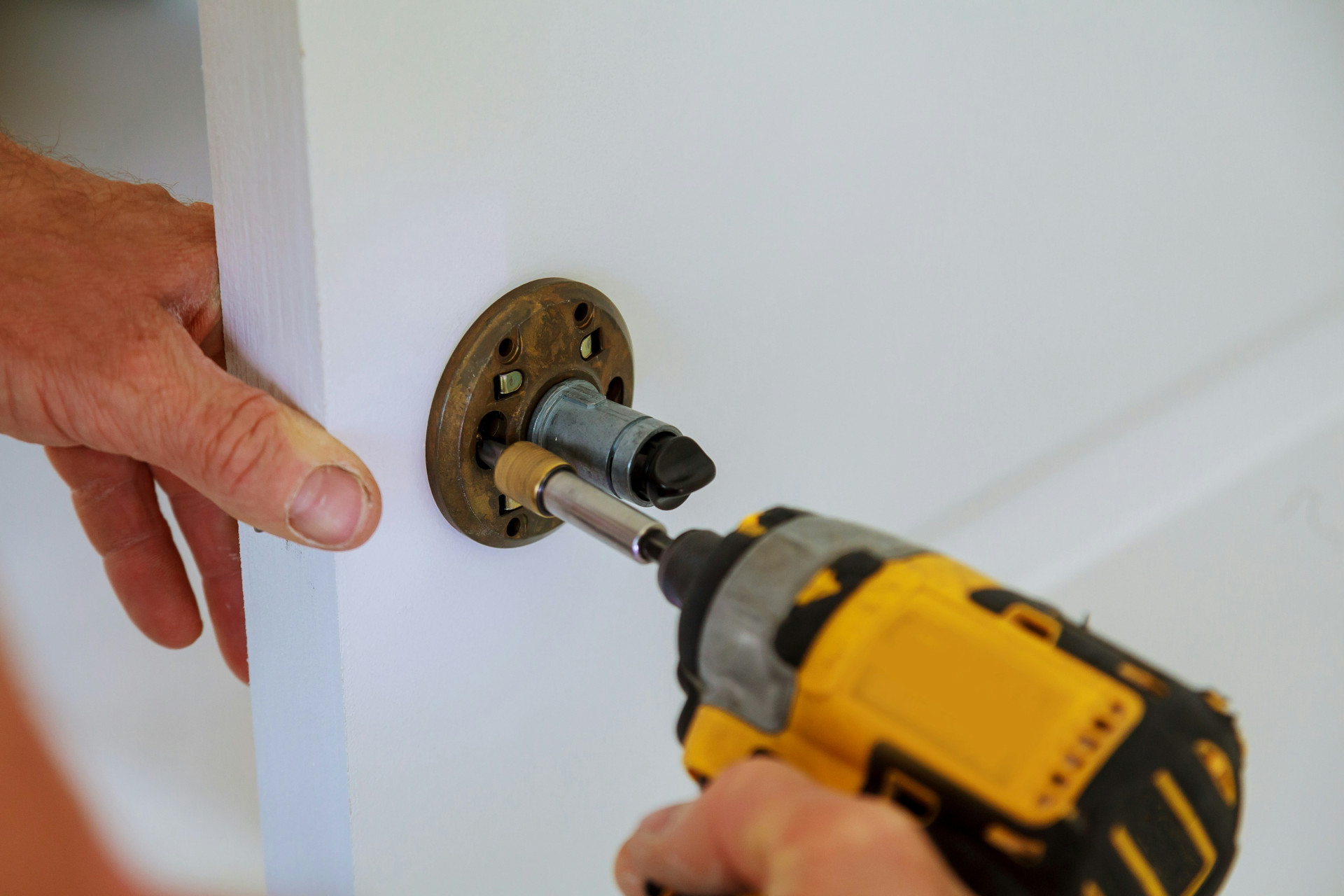
Change Locks and Review Your Home’s Overall Security
Feeling safe at home is essential to everyday peace of mind. Yet many Americans only think about home security after a break-in in the neighborhood—or when a set of keys goes missing. A regular security check and, if needed, changing your locks can be a simple and effective way to prevent unpleasant surprises. Here’s a guide to reviewing your home’s overall security and ensuring your family’s safety.
When Should You Change Your Locks?
There are several situations when replacing your locks makes sense:
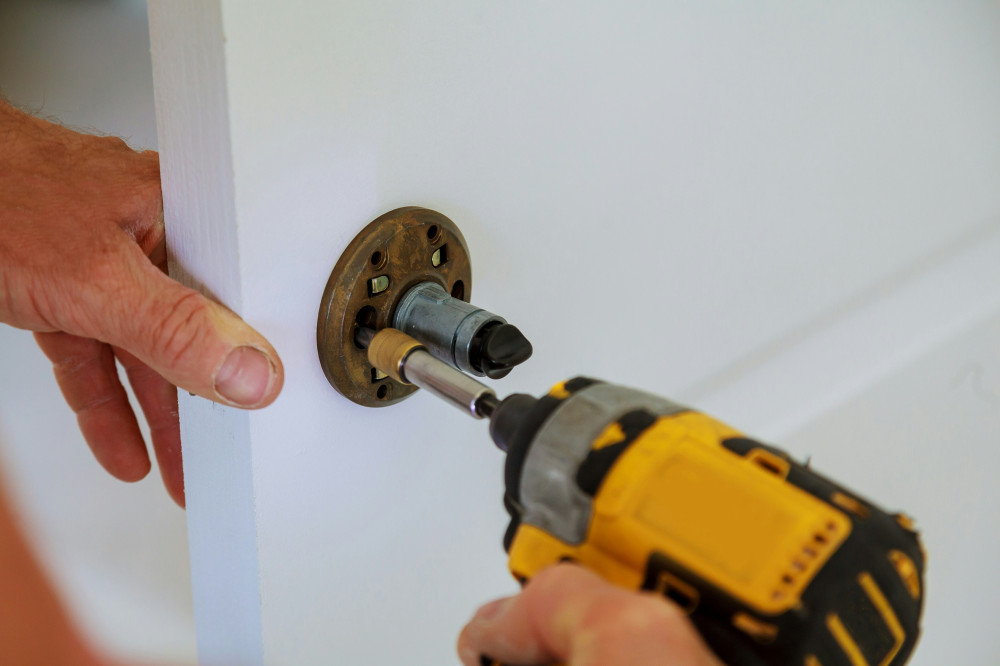
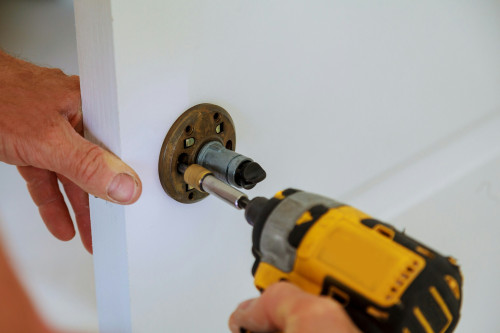
- After moving into a new home – you can’t be sure how many copies of the old keys are still out there.
- If you’ve lost your keys – especially if they could be linked to your address.
- After a break-in or attempted break-in – the lock may be damaged, and it’s wise to upgrade your security.
- If your locks are old or outdated – older locks can be easier to pick or drill open.
As a general rule, consider updating your locks every 10–15 years, since technology and security standards continue to improve.
Choosing the Right Type of Lock
The U.S. market offers a wide range of lock options. Here are some of the most common:
- Deadbolt locks – a must for exterior doors. Look for models that meet ANSI Grade 1 standards for maximum security.
- Smart locks – opened with a code, smartphone app, or key fob. They offer convenience but require proper setup and regular software updates.
- High-security locks – designed with reinforced cylinders and restricted keyways to resist picking and bumping.
If you’re unsure which type suits your home best, consult a licensed locksmith. They can assess your doors and recommend the most secure and practical solution.
Review Your Entire Home’s Security
Locks are just one part of a secure home. A full security review should include doors, windows, lighting, and daily habits.
- Doors and windows: Check that all hinges, frames, and latches are sturdy. Install window locks and consider security film or bars for basement windows.
- Outdoor lighting: Motion-sensor lights and well-lit entryways can deter intruders.
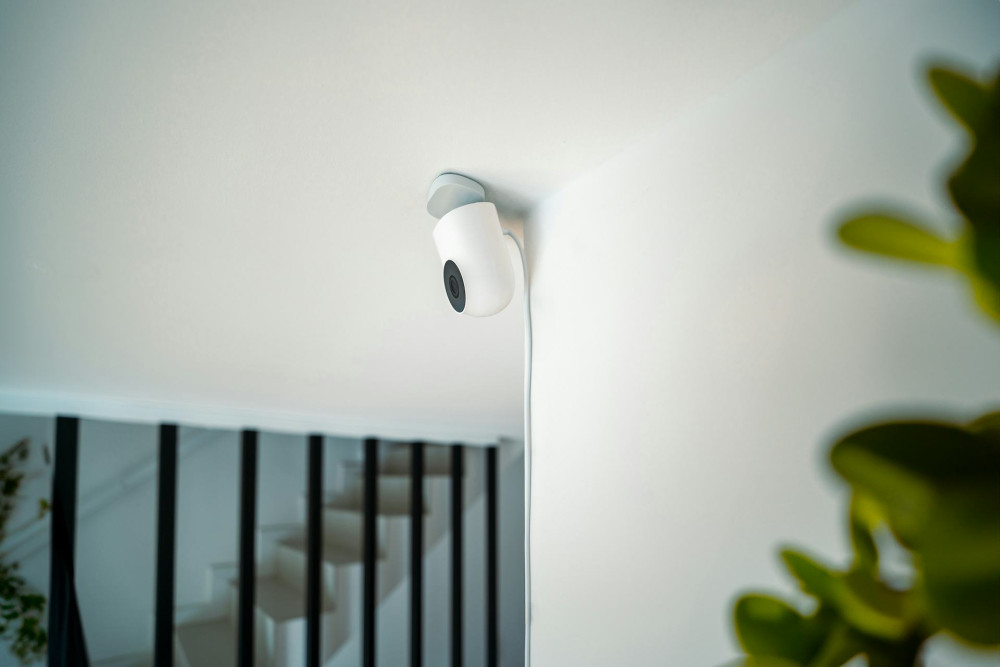
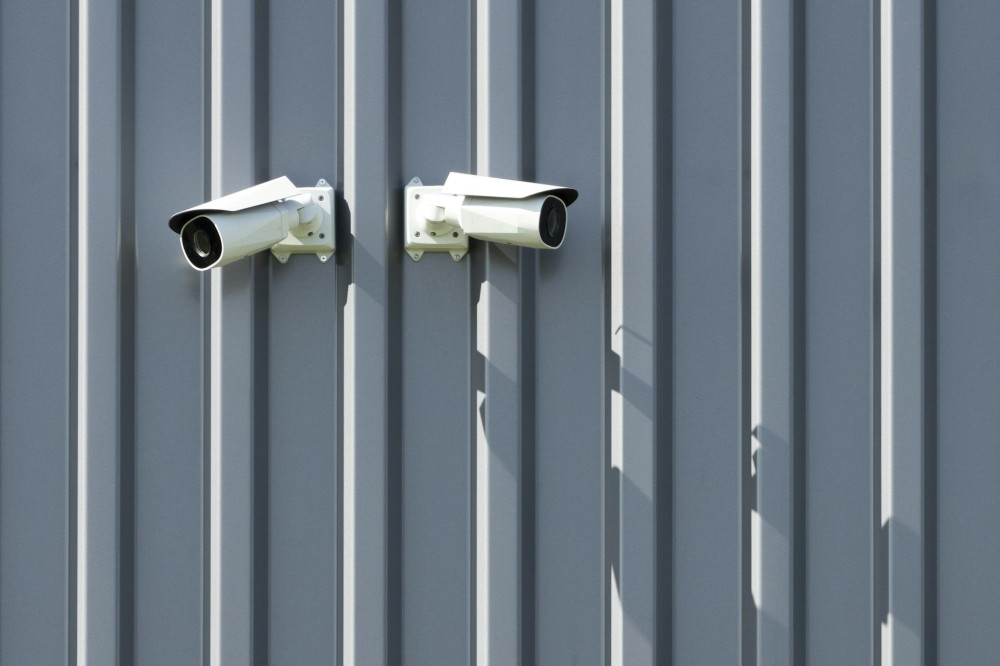
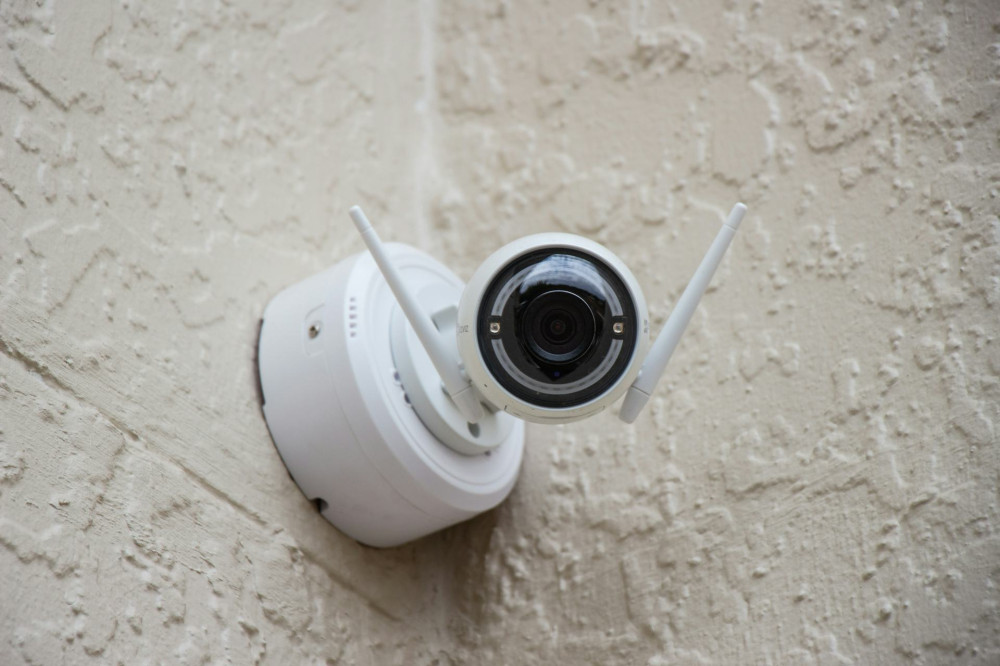
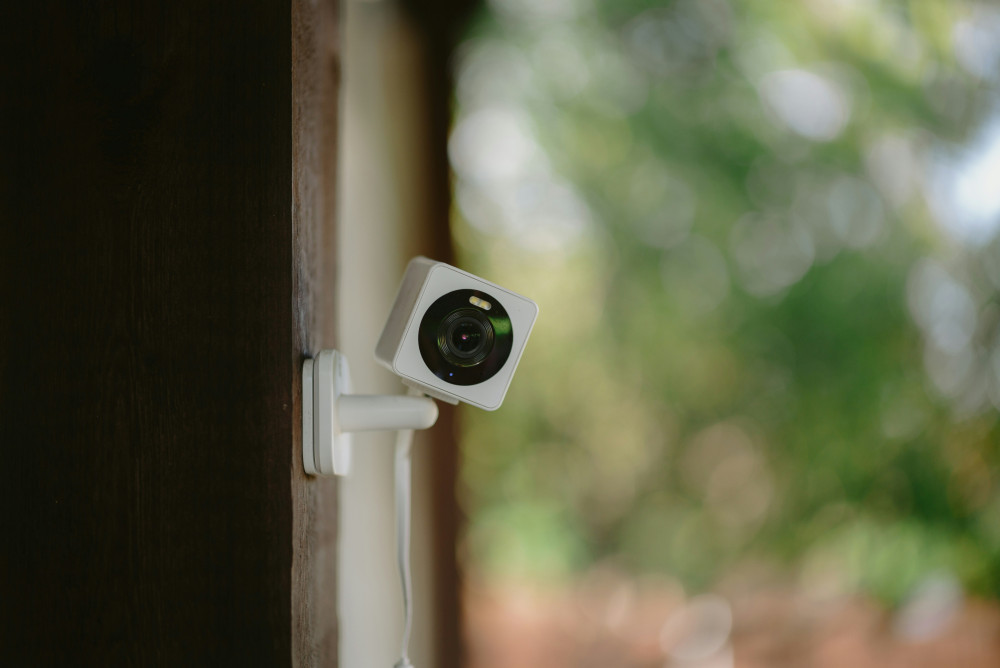
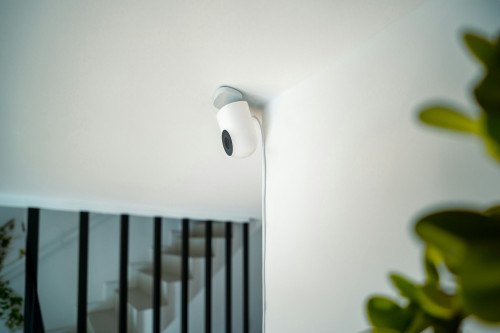
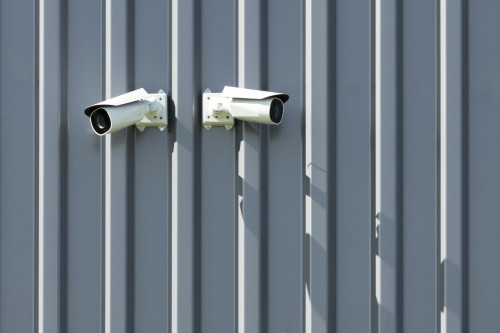
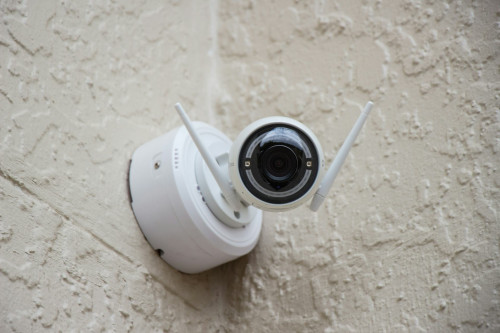
- Alarm systems and cameras: A monitored alarm or a few strategically placed cameras can add an extra layer of protection—and often lower your insurance premium.
- Neighborhood watch: A strong community network is one of the most effective deterrents. Stay connected with neighbors and look out for each other, especially when someone is away.
Læs også:
Security Is Also About Habits
Even the best lock won’t help if the door is left unlocked. Many burglaries happen simply because entry was easy. Make it a habit to lock doors and windows every time you leave the house—and even when you’re home. Avoid leaving valuables in plain sight, and don’t announce travel plans on social media until you’re back.
Get Professional Advice
If you’re unsure how secure your home really is, consider scheduling a home security assessment with a locksmith or security consultant. They can identify weak points and suggest improvements—from upgraded locks and reinforced doors to better lighting and alarm systems. It’s a small investment that can save you from major stress later.
Peace of Mind Starts with Awareness
Changing locks and reviewing your home’s security isn’t just a practical task—it’s a way to take control of your safety. With a few thoughtful updates and consistent habits, you can create a home where you and your family feel secure, whether you’re there or away.
Læs også: