Limescale in Water – What Does It Mean for Taste, Appearance, and Everyday Use at Home?

Limescale in Water – What Does It Mean for Taste, Appearance, and Everyday Use at Home?
If you’ve ever noticed white, chalky spots on your faucet, showerhead, or kettle, you’ve seen limescale. It’s a natural mineral buildup that forms when water contains high levels of calcium and magnesium. While it’s not harmful to your health, limescale can affect how your water tastes, how your home looks, and how long your appliances last. So what exactly is limescale, why does it vary across the U.S., and what can you do about it?
What Is Limescale – and Why Is It in the Water?
Limescale comes from minerals that naturally occur in the ground. As rainwater seeps through layers of soil and rock, it dissolves small amounts of calcium and magnesium. These minerals end up in groundwater and, eventually, in your tap water. The more minerals your water contains, the “harder” it is.
- Soft water has low levels of calcium and magnesium. It’s common in areas with granite or non-limestone bedrock, such as parts of the Pacific Northwest and New England.
- Hard water has higher mineral content and is typical in regions with limestone or chalk geology, such as the Midwest, Texas, and much of the Southwest.
In the U.S., water hardness is usually measured in milligrams per liter (mg/L) or grains per gallon (gpg). Water with less than 60 mg/L (or under 3.5 gpg) is considered soft, while anything above 180 mg/L (over 10.5 gpg) is very hard.
How Does It Affect Taste?
Limescale doesn’t make water unsafe, but it can subtly change the flavor. Soft water often tastes smoother or “cleaner,” while hard water can have a slightly mineral or metallic taste. Those minerals can also influence how your coffee or tea turns out.
If you live in a hard-water area, you might notice that coffee tastes a bit more bitter or that tea develops a thin film on top. That’s because calcium reacts with tannins in the drink. Using filtered or softened water can help bring out a cleaner flavor and prevent residue in your kettle or coffee maker.
Læs også:
The Look of Limescale – and How to Clean It
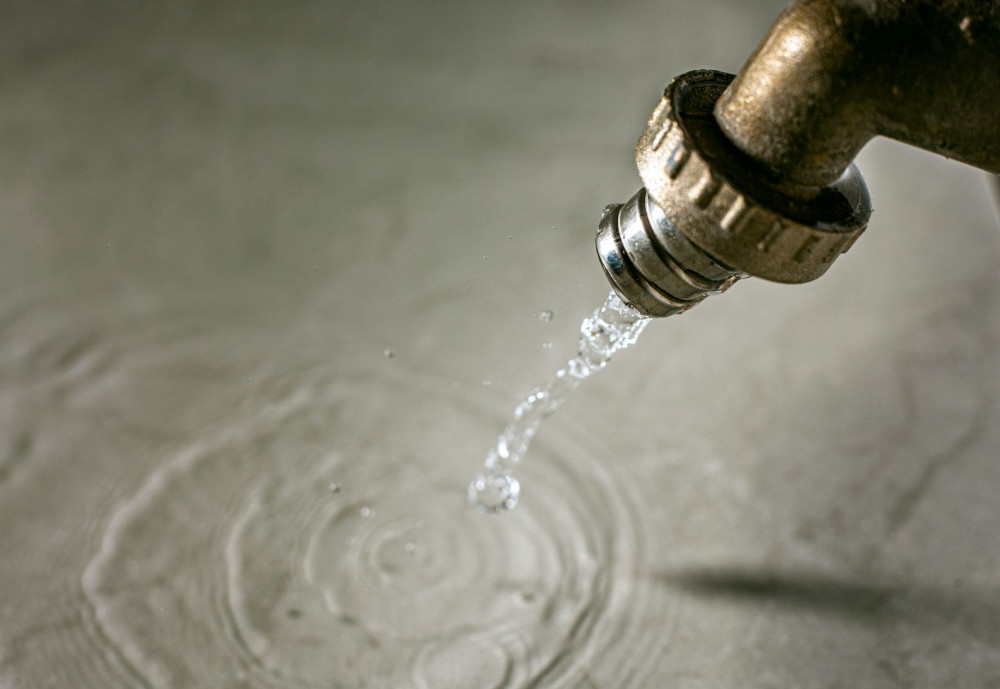
When hard water evaporates, it leaves behind white or grayish deposits on surfaces. You’ll see them on faucets, shower doors, tiles, and glassware. Over time, these spots can dull shiny finishes and make bathrooms and kitchens look less clean.
To remove limescale, you can use household vinegar or a citric acid solution. Both dissolve mineral deposits effectively without harsh chemicals. Just avoid using vinegar on natural stone surfaces like marble or granite, as the acid can damage them.
A simple habit—wiping down wet surfaces after use—can go a long way toward preventing buildup, especially in showers and around sinks.
Limescale and Household Appliances
Hard water can shorten the lifespan of appliances that heat or use water, such as kettles, coffee makers, dishwashers, and washing machines. When limescale builds up on heating elements, the appliance has to work harder to heat water, wasting energy and potentially leading to breakdowns.
To keep things running efficiently, descale regularly. You can use vinegar, citric acid, or a commercial descaling product designed for your appliance. Many manufacturers recommend descaling every one to three months, depending on your local water hardness.
Dishwashers often have built-in systems that use salt or rinse aid to reduce spotting and mineral buildup on dishes and glassware.
What If Your Water Is Very Hard?
If you live in an area with very hard water, you might consider installing a water softener. These systems replace calcium and magnesium ions with sodium ions, reducing hardness and preventing limescale formation. The result is softer water that’s gentler on your skin, clothes, and appliances.
A softener does require maintenance—mainly refilling the salt and occasionally cleaning the system—and it’s an investment. Before installing one, check your local water hardness (your utility company can provide this information) and decide whether the benefits outweigh the cost.
The Upside of Minerals in Water
While limescale can be annoying, the minerals that cause it aren’t all bad. Calcium and magnesium are essential nutrients, and drinking water can contribute small amounts to your daily intake. Completely demineralized water can actually taste flat and may be slightly more corrosive to metal pipes.
So, the goal isn’t to eliminate all minerals, but to manage them in a way that protects your home and keeps your water pleasant to drink.
A Natural Part of Everyday Life
Limescale is a natural byproduct of the minerals in our water supply. It’s a sign that your water comes from real geological sources—not something to fear, but something to manage. With a few simple habits and the right maintenance, you can keep your fixtures shiny, your appliances efficient, and your water tasting just the way you like it.
Læs også: