Document Your Home’s Plumbing – An Investment in Easier Future Repairs

Document Your Home’s Plumbing – An Investment in Easier Future Repairs
Most homeowners rarely think about what’s happening behind their walls or under their floors—until something goes wrong. But knowing how your home’s plumbing is laid out isn’t just for contractors or DIY enthusiasts. It’s a smart investment that can save you time, money, and frustration when repairs, remodels, or upgrades are needed down the road.
Here’s why documenting your plumbing system is worth the effort—and how to do it in a way that pays off for years to come.
Why Plumbing Documentation Matters
When a pipe leaks, a faucet drips, or you’re planning a kitchen remodel, knowing where your pipes run can make all the difference. Without documentation, a plumber may have to guess, cut into walls, or spend extra time locating lines. That means higher labor costs and more disruption in your home—problems that can easily be avoided with a little preparation.
Documenting your plumbing gives you:
- Faster troubleshooting – You or your plumber can quickly pinpoint where a problem is likely to be.
- Reduced risk of damage – You’ll avoid drilling or nailing into hidden pipes when hanging shelves or artwork.
- Easier remodeling – When you renovate, you can plan new installations around existing lines.
- Added home value – A well-documented home looks well-maintained and professional to potential buyers.
In short, spending an hour documenting your plumbing today can save you many hours—and dollars—later.
How to Document Your Plumbing
There’s no single “right” way to document your plumbing. The key is to create a record that’s accurate, organized, and easy to update.
1. Start with a Floor Plan
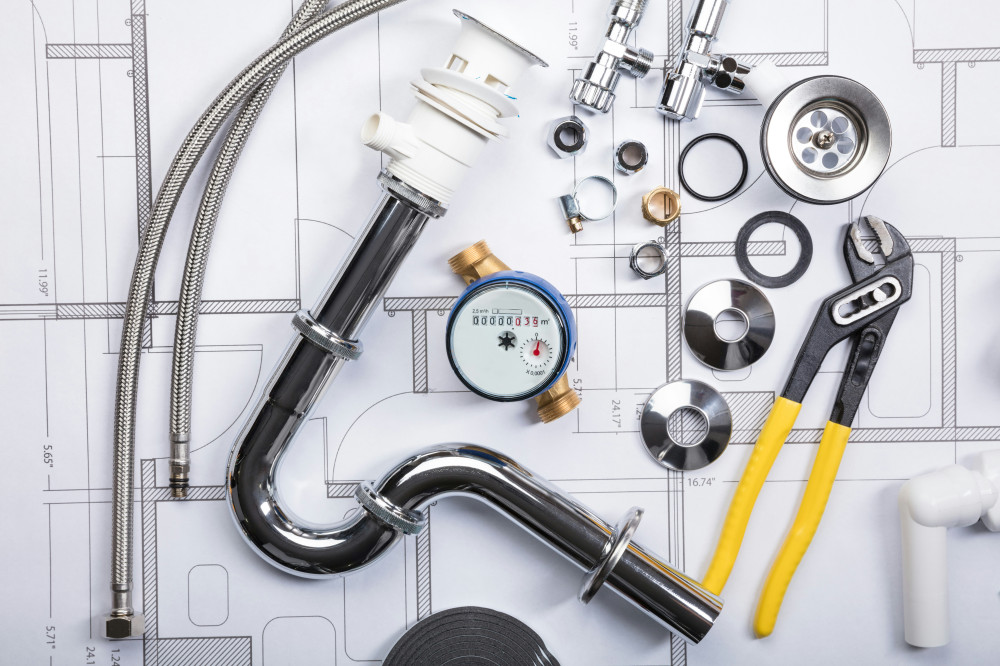
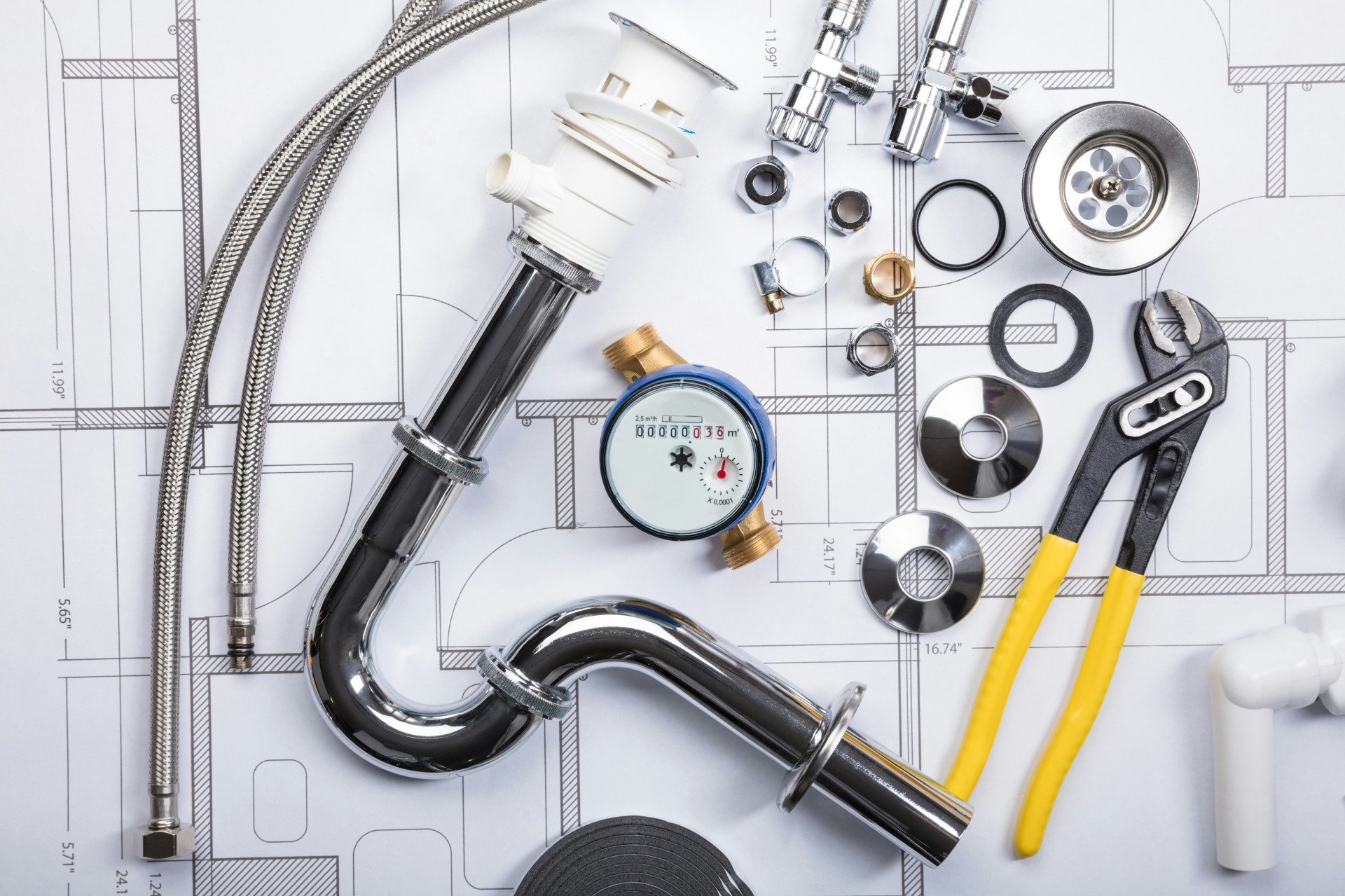
If you have access to your home’s blueprints or floor plan, use that as your base. Mark where water supply lines, drains, and vent pipes run. Use different colors—blue for cold water, red for hot, and green for drains—to keep things clear.
If you don’t have a floor plan, sketch one yourself. Even a simple drawing of each room with pipe locations noted can be extremely helpful.
2. Take Photos During Renovations
If you’re remodeling or doing any work that exposes walls or floors, now’s the time to grab your camera or phone. Take clear photos of the plumbing before everything is closed up. Include reference points like doors, windows, or electrical outlets so you can tell exactly where the pipes are later.
Store the photos digitally with descriptive file names such as “bathroom_north_wall_plumbing.jpg.” That way, you can easily find what you need years from now.
3. Use Digital Tools
There are apps and software designed for home documentation that let you store floor plans, photos, and notes all in one place. Some even allow you to mark precise pipe locations in 3D.
If you prefer to keep things simple, a well-organized folder on your computer or in cloud storage works just as well. The key is consistency—keep everything labeled and easy to navigate.
4. Record Materials and Sizes
Write down what types of pipes are used (for example, PEX, copper, or PVC) and their sizes. This information can be crucial if you ever need to replace or extend part of the system.
If a licensed plumber did the work, ask for a copy of the installation report or invoice that lists materials and specifications. Keep that with your own documentation.
Læs også:
Keep It Up to Date
Your documentation is only useful if it’s current. Every time you make a change—install a new water heater, move a sink, or remodel a bathroom—update your notes and photos.
Make it a habit to store receipts, permits, and contractor information in the same place. Over time, you’ll build a complete record of your home’s plumbing history.
A Benefit for You and Future Owners
Even if you don’t plan to stay in your home forever, your documentation will be a valuable asset for the next owner. It shows that the home has been cared for thoughtfully and professionally—something that can make your property more appealing and even increase its resale value.
For buyers, it provides peace of mind. For you, it can mean a smoother, faster sale.
A Small Effort with Big Rewards
Documenting your plumbing doesn’t require special tools or technical expertise—just a bit of time and organization. In return, you’ll gain confidence, save money, and make future repairs or renovations far easier.
So next time you have plumbing work done, take a few photos, jot down some notes, and store everything safely. It’s a small step that pays off in convenience, savings, and peace of mind for years to come.
Læs også: