Adjust Water Pressure and Temperature – Achieve Optimal Comfort at the Sink

Adjust Water Pressure and Temperature – Achieve Optimal Comfort at the Sink
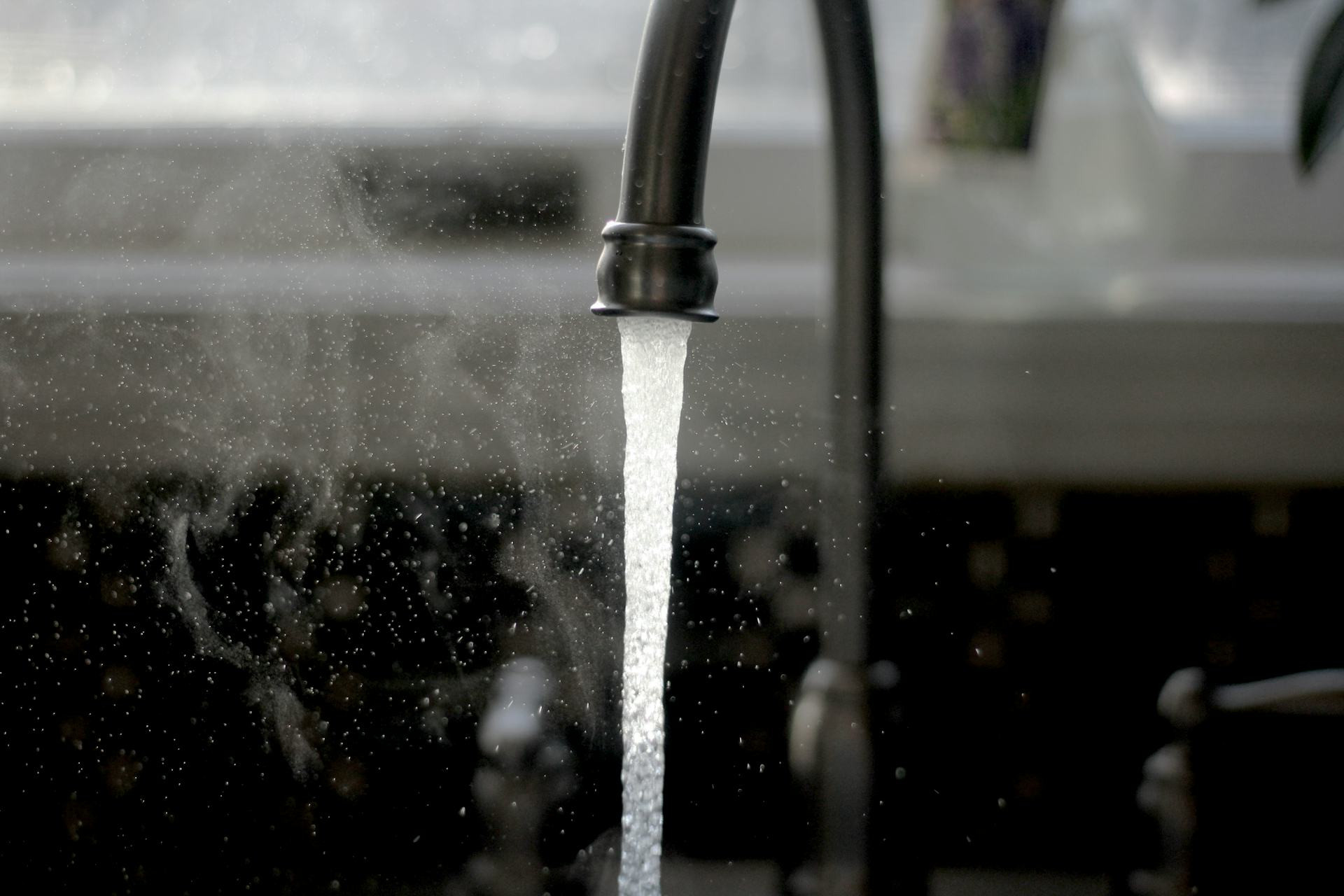
A well-functioning sink isn’t just about style or placement – it’s also about comfort and efficiency. The right balance between water pressure and temperature makes daily routines more pleasant, saves water and energy, and helps extend the life of your faucet and plumbing. Here’s a practical guide to adjusting water pressure and temperature for optimal comfort at your sink.
Why Water Pressure and Temperature Matter
High water pressure might feel satisfying at first, but it can wear down pipes, seals, and fixtures over time. It also increases water consumption unnecessarily. On the other hand, low pressure can make it difficult to rinse your hands or fill a pot efficiently.
Temperature is just as important. Water that’s too hot can cause scalding – especially for children and older adults – while water that’s too cold can be uncomfortable and limit the sink’s usability. The ideal temperature for handwashing is typically around 98–104°F, depending on personal preference.
How to Check Your Water Pressure
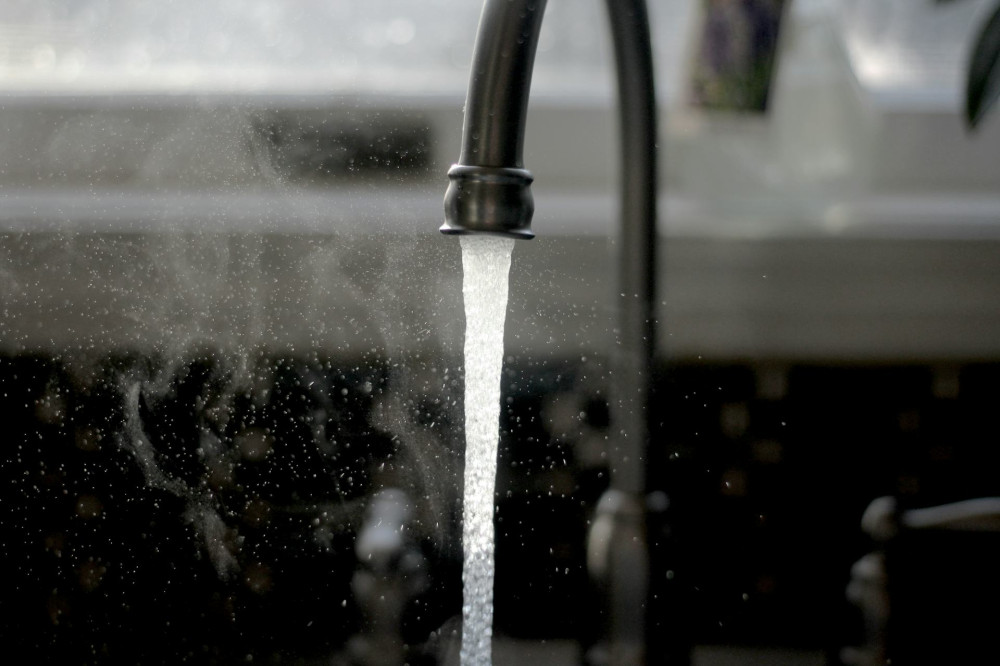
You can get a rough idea of your water pressure by observing how forcefully water flows from the faucet. For a more accurate reading, use a water pressure gauge, available at most hardware stores or online. Simply attach it to a faucet and read the pressure in pounds per square inch (psi).
- Normal residential water pressure: 40–60 psi
- Above 80 psi: Too high – can cause wear and leaks
- Below 30 psi: Too low – may affect performance
If your pressure is too high, consider installing a pressure-reducing valve (PRV) on your main water line. This device helps maintain a consistent, safe pressure throughout your home.
Læs også:
Adjusting Faucet Temperature
Most modern faucets include a temperature limiter or thermostatic control that allows you to fine-tune the maximum water temperature. Here’s how to make adjustments:
- Turn off the water supply under the sink before starting.
- Remove the handle – usually by loosening a small screw hidden under a decorative cap.
- Locate the temperature limiter – a small plastic ring or screw that controls how far the handle can turn toward hot.
- Adjust the limiter slightly to increase or decrease the maximum temperature.
- Reassemble the faucet and test the water temperature.
If your faucet doesn’t have a built-in temperature control, you might consider upgrading to a newer model. Modern faucets often include safety features, better temperature stability, and improved water efficiency.
Prevent Scalding and Save Water
To reduce the risk of scalding, set your water heater to no higher than 120°F. This temperature is hot enough to prevent bacterial growth but low enough to minimize burn risk. Pairing this with a thermostatic faucet ensures consistent, safe water every time.
To conserve water without sacrificing comfort, install an aerator on your faucet. This small device mixes air into the water stream, creating a softer flow while reducing water use by up to 30%.
When to Call a Professional
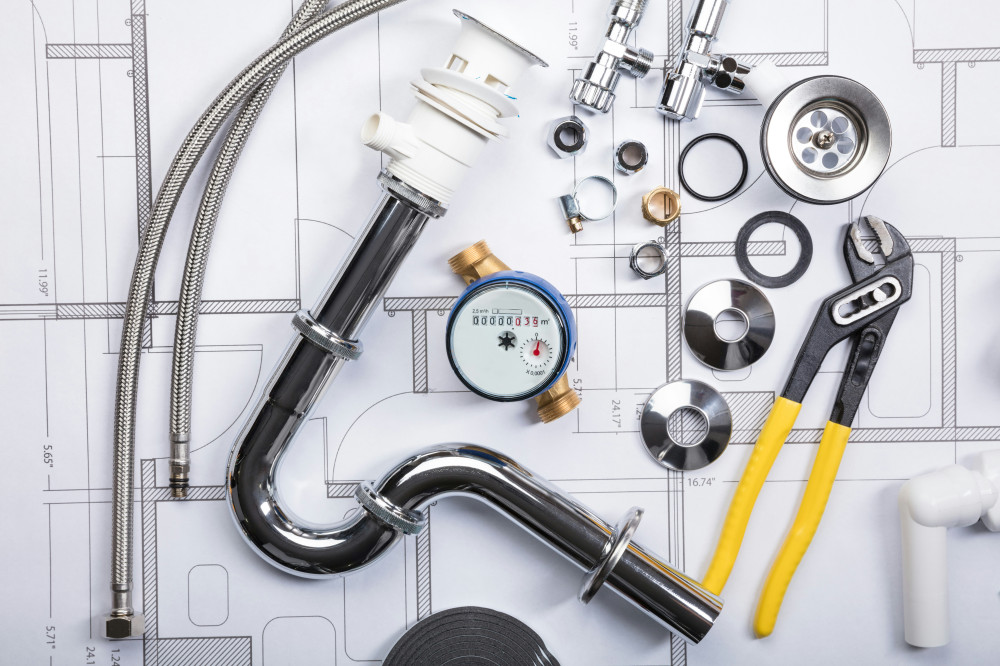
If you notice sudden changes in pressure or temperature, it could indicate issues such as mineral buildup, faulty valves, or imbalances in your plumbing system. In these cases, it’s best to contact a licensed plumber. They can measure pressure accurately, clean or replace components, and ensure your system is working efficiently.
Comfort and Sustainability Go Hand in Hand
Adjusting water pressure and temperature isn’t just about comfort – it’s also about sustainability. A properly balanced system uses less energy for heating and less water overall, benefiting both the environment and your utility bills.
With just a few simple adjustments, you can turn your sink into a place where comfort, efficiency, and responsibility meet – every single day.
Læs også: