How Roofing Materials Age – What You Need to Know

How Roofing Materials Age – What You Need to Know
A roof doesn’t last forever—but how long it stays strong and attractive depends on the material, the local climate, and how well it’s maintained. Over time, every type of roofing is affected by sun, rain, wind, and temperature changes, which can lead to both cosmetic and structural wear. For homeowners, recognizing the signs of aging early can help prevent costly repairs and extend the roof’s lifespan. Here’s an overview of how common roofing materials age and what to watch for.
Asphalt Shingles – America’s Most Common Roof
Asphalt shingles are the most widely used roofing material in the U.S., typically lasting 20–30 years. They age primarily through exposure to sunlight and temperature swings. Over time, the protective granules on the surface loosen and wash away, leaving the asphalt layer exposed to UV rays. This can cause the shingles to dry out, curl, or crack.
Dark streaks from algae growth are common in humid regions, while in colder climates, freeze-thaw cycles can accelerate cracking. Regular inspections—especially after storms—can help catch missing or damaged shingles before leaks develop. When large areas show curling or bald spots, it’s usually time to consider replacement.
Metal Roofing – Durable but Not Maintenance-Free
Metal roofs, whether steel, aluminum, or copper, can last 40–70 years or more. They age differently than asphalt, with the main concern being corrosion and fading of the protective coating. In coastal areas, salt in the air can speed up rusting if the finish is compromised. In other regions, hail or falling branches can dent panels or scratch the surface, allowing moisture to reach the metal underneath.
To slow aging, check for loose fasteners, damaged sealant, or worn paint. Recoating or repainting can restore protection and appearance. With proper care, a metal roof can easily outlast most other materials.
Clay and Concrete Tiles – Long Life with Proper Care
Clay and concrete tiles are known for their longevity—often 50–100 years—but they’re not immune to aging. Clay tiles can fade and develop surface cracks over time, especially in areas with wide temperature fluctuations. Concrete tiles may lose their surface finish, becoming more porous and prone to moss or algae growth.
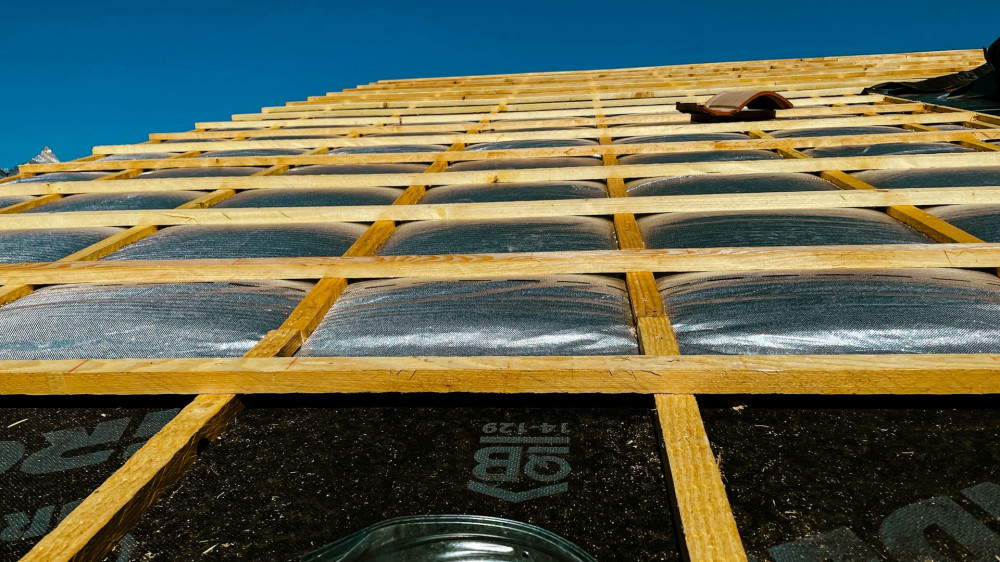
While the tiles themselves are durable, the underlayment and flashing beneath them typically wear out sooner. Regular inspections to replace broken tiles and maintain the underlayment are key to keeping these roofs watertight for decades.
Wood Shakes and Shingles – Natural Beauty That Needs Attention
Wood roofing, often made from cedar, offers a classic look but requires consistent maintenance. Sunlight, moisture, and biological growth all contribute to aging. Over time, wood can dry out, split, or rot, especially in damp or shaded areas. In dry climates, UV exposure can cause the wood to gray and become brittle.
To extend the life of a wood roof, keep it clean and well-ventilated, and apply preservative treatments as recommended. A well-maintained cedar roof can last 25–40 years, but neglect can cut that lifespan in half.
Slate Roofing – The Timeless Option
Slate is one of the most durable roofing materials available, with a potential lifespan of 75–150 years. Its aging process is slow, but not nonexistent. Over time, individual slates can crack or delaminate, especially if they were of lower quality or installed improperly. The metal flashing and fasteners often wear out long before the slate itself.
Periodic inspections by a roofer experienced with slate are essential. Replacing damaged tiles and maintaining the flashing can keep a slate roof performing for generations.
Flat Roofs and Membrane Systems – Sensitive to Sun and Standing Water
Flat or low-slope roofs, common on modern homes and commercial buildings, often use materials like modified bitumen, EPDM rubber, or TPO membranes. These systems typically last 20–30 years. Their biggest enemies are UV radiation, ponding water, and punctures from foot traffic or debris.
As they age, membranes can shrink, crack, or lose flexibility. Regular cleaning, prompt patching of small tears, and ensuring proper drainage can significantly extend their service life.
Læs også:
How to Slow Down Roof Aging
No matter the material, a few general practices can help your roof last longer:
- Keep it clean: Remove leaves, moss, and debris regularly.
- Maintain gutters and downspouts: Ensure water flows freely away from the roof.
- Inspect after storms: Look for missing shingles, dents, or loose flashing.
- Schedule professional inspections: Every 3–5 years, have a roofer check for hidden issues.
- Avoid harsh cleaning methods: High-pressure washing can damage protective coatings.
A well-maintained roof can often last years beyond its expected lifespan—saving you money and protecting your home from costly water damage.
When It’s Time for Replacement
Even the best-maintained roof eventually reaches the end of its life. Signs include frequent leaks, widespread cracking or curling, or a generally worn appearance. At that point, replacement is often more cost-effective than repeated repairs.
A new roof not only improves your home’s protection but can also boost energy efficiency and curb appeal. Think of it as an investment in both comfort and long-term value—one that pays off every time it rains.
Læs også: